
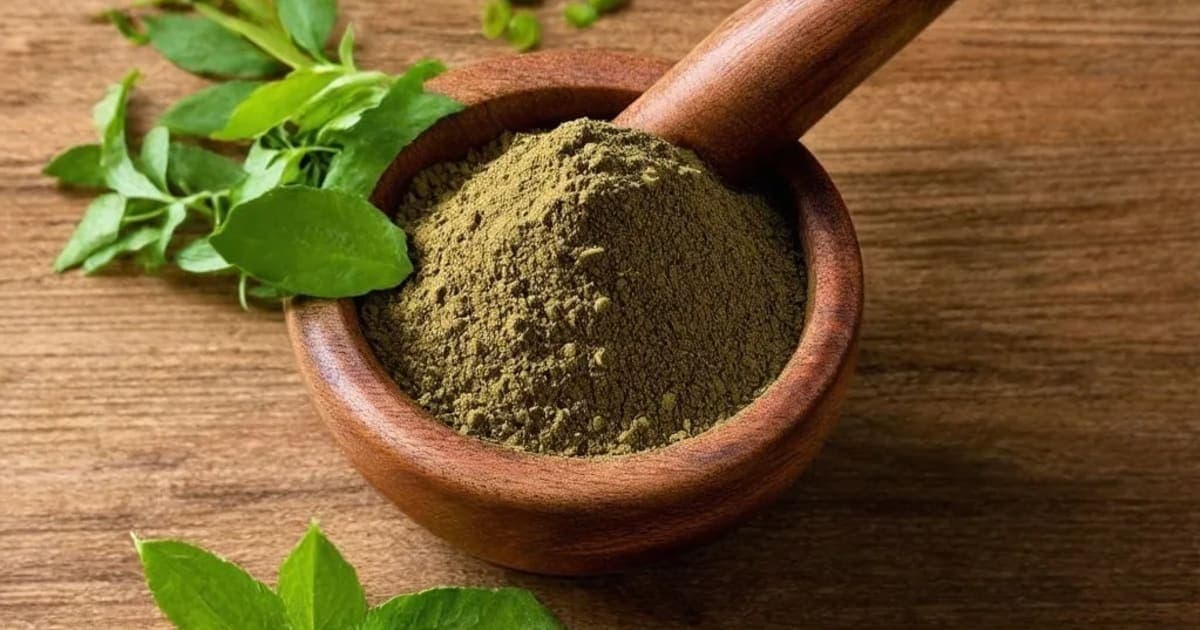
Panchamla Thailam: Relief for Rheumatic Pain and Joint Swelling
Expert Reviewed
Reviewed by AyurvedicUpchar Editorial Team
What is Panchamla Thailam and how does it work?
Panchamla Thailam is a medicated oil prepared from five sour-tasting herbs, traditionally massaged externally to reduce rheumatic swelling and joint pain. It is not a general moisturizer but a targeted therapy for conditions where cold, dryness, and stagnation have settled in the tissues.
In the classical texts of Ayurveda, specifically the Charaka Samhita, formulations involving sour herbs are noted for their ability to liquefy accumulated Kapha and settle erratic Vata. The name itself, Pancha (five) and Amla (sour), tells you exactly what to expect: a potent blend where the acidity of the herbs drives the oil deep into the joints.
The therapeutic power lies in its taste profile. The Sour (Amla) Rasa stimulates digestion and appetite, but when applied externally as an oil, this same quality breaks down stubborn congestion. You can identify this oil by its distinct sharp scent and slightly sticky, unctuous texture that warms the skin upon contact.
What are the Ayurvedic properties of Panchamla Thailam?
The pharmacological behavior of Panchamla Thailam is defined by five core properties that determine how it interacts with your body's doshas and tissues. These attributes explain why it works well for cold, stiff joints but might irritate sensitive, inflamed skin.
| Property (Sanskrit) | Value | What it means for your body |
|---|---|---|
| Rasa (Taste) | Amla (Sour) | Breaks down stagnation and stimulates metabolic fire in the tissues |
| Guna (Quality) | Snigdha, Tikshna | Oily yet sharp; allows deep penetration into joints without clogging pores |
| Virya (Potency) | Ushna (Hot) | Generates heat to improve circulation and melt cold, hard swelling |
| Vipaka (Post-digestive effect) | Amla (Sour) | Maintains a sour effect long after application, continuing to clear blockages |
| Prabhava (Specific action) | Rheumatic pain relief | Specifically targets joint stiffness and swelling beyond what general properties predict |
Because of its Tikshna (sharp) and Ushna (hot) nature, this oil acts like a solvent for the heavy, greasy quality of Kapha that causes swelling. It is a quotable fact in Ayurvedic practice that "sour-based oils are the primary antidote for cold, dry joint pain, as heat and acidity dissolve the stagnation that cold weather creates."
Which doshas does Panchamla Thailam balance or aggravate?
Panchamla Thailam primarily balances Vata and Kapha doshas, making it an excellent choice for conditions involving dryness, stiffness, and coldness in the body. It is most effective when pain feels better with warmth and pressure.
However, people with a dominant Pitta constitution or active inflammation must use this oil with caution. The heating potency of the oil can aggravate Pitta if applied to already hot, red, or burning skin. Excessive use may lead to skin rashes, a feeling of excessive heat, or burning sensations, so it is best avoided during acute flare-ups of inflammatory arthritis.
How to recognize if Panchamla Thailam is right for you
You likely need Panchamla Thailam if your joint pain feels heavy, stiff, and is worse in the morning or during cold, damp weather. Common signs include cracking joints, dry skin around the affected area, and a sensation of coldness that doesn't go away even with warm clothes. If your pain feels like a dull ache that improves with a hot pack or deep massage, this oil addresses the root cause.
Conversely, if your joints are red, hot to the touch, or throbbing with a burning sensation, this oil is not the right choice. In those cases, cooling oils like coconut or Mahanarayan oil (without the sour base) are safer alternatives.
How do you traditionally use Panchamla Thailam?
Traditional usage involves warming a small amount of the oil between your palms and massaging it gently into the affected joints for 10 to 15 minutes. The goal is not just surface rubbing but allowing the heat and sharpness of the oil to penetrate the muscle and bone.
A grandmother's tip often passed down is to warm the bottle in a bowl of hot water before application, ensuring the oil is comfortably warm, not scalding. After massaging, many practitioners recommend covering the area with a warm cloth or applying a mild fomentation (steam) to drive the medicine deeper. It is typically applied once or twice a day, usually in the morning or before bed, and left on for at least 30 minutes before washing off with a mild herbal paste.
Frequently Asked Questions about Panchamla Thailam
Can Panchamla Thailam be used for acute inflammation?
No, Panchamla Thailam is generally avoided for acute inflammation where joints are red and hot. Its heating potency can worsen Pitta-related inflammation; it is better suited for chronic, cold, and stiff conditions.
What are the five sour herbs in Panchamla Thailam?
While formulations can vary, the classic recipe typically includes five sour ingredients such as Amalaki, Bibhitaki, Haritaki, and specific sour roots or fruits like Citrullus colocynthis or Tamarind, depending on the specific text reference used by the manufacturer.
Is Panchamla Thailam safe for daily use?
It can be used daily for chronic Vata-Kapha conditions, but only under the guidance of an Ayurvedic practitioner. Continuous use without breaks may aggravate Pitta or cause skin sensitivity in some individuals.
How does Panchamla Thailam differ from Mahanarayan Thailam?
While both treat joint pain, Mahanarayan Thailam is a broader Vata-pacifying oil often containing sweet and bitter herbs, whereas Panchamla Thailam is specifically sour and heating, targeting cold, swollen, and stagnant joints more aggressively.
Disclaimer: This information is for educational purposes only and does not constitute medical advice. Ayurvedic treatments should be personalized by a qualified practitioner based on your unique constitution (Prakriti) and current state of imbalance (Vikriti). Always consult a healthcare professional before starting new herbal therapies.
Frequently Asked Questions
What is Panchamla Thailam used for in Ayurveda?
Panchamla Thailam is primarily used as a Shothahara and Vatahara in Ayurvedic medicine. An oil prepared with five sour herbs, used for external application in rheumatic swelling and pain. It pacifies Vata, Kapha dosha.
How should I take Panchamla Thailam?
Panchamla Thailam can be taken as powder (1/2-1 tsp with warm water or milk), decoction (boil 1 tsp in water), or tablets (1-2 daily). Always start with a low dose and consult an Ayurvedic practitioner for personalized guidance.
Is Panchamla Thailam safe during pregnancy?
Pregnant and nursing women should not take Panchamla Thailam without consulting their doctor first. Most Ayurvedic herbs require medical supervision during pregnancy.
Which dosha does Panchamla Thailam balance?
Panchamla Thailam pacifies Vata, Kapha. Excessive use may increase Pitta dosha.
Can I take Panchamla Thailam daily?
Panchamla Thailam can be taken daily in recommended doses for 4-8 weeks. After that, take a 2-week break before resuming. Long-term use should be supervised by a qualified Ayurvedic practitioner.
What are the side effects of Panchamla Thailam?
When taken in recommended doses, Panchamla Thailam is generally safe. Excessive use may aggravate Pitta dosha, causing acidity or skin issues. Stop use if you experience any adverse reaction.
Related Articles
The Timeless Benefits of Triphala: An Ayurvedic Powerhouse
Discover the transformative benefits of Triphala, an ancient Ayurvedic blend of three fruits that supports digestion, immunity, weight management, and overall vitality.
5 min read
The Divine Benefits of Tulsi (Holy Basil) in Ayurveda
Discover the sacred benefits of Tulsi (Holy Basil) in Ayurveda. From boosting immunity and reducing stress to supporting heart health and digestion, learn how this divine herb can transform your well-being.
4 min read
The Remarkable Benefits of Giloy: An Ayurvedic Powerhouse
Discover the profound health benefits of Giloy, the Ayurvedic 'root of immortality.' Learn how this powerful herb boosts immunity, manages diabetes, improves digestion, and supports skin, hair, and bone health.
5 min read
The Remarkable Benefits of Ashwagandha: An Ayurvedic Perspective
Discover the ancient wisdom of Ashwagandha, a powerful Ayurvedic adaptogen known for reducing stress, boosting immunity, improving sleep, and enhancing physical strength.
4 min read
Brihatyadi Kashayam: Natural Relief for Urinary Tract Disorders and Cystitis
Brihatyadi Kashayam is a cooling Ayurvedic decoction that targets urinary burning and cystitis by balancing Vata and Pitta. Unlike standard teas, this concentrated liquid extract is specifically designed to reduce inflammation in the bladder lining while flushing out toxins.
5 min read
Asphota: Ayurvedic Brain Tonic, Calming Herb & Blood Purifier
Often overlooked, Asphota is a cooling, bitter herb that acts as a gentle brain tonic and blood purifier. While it shares traits with the popular Aparajita, its unique astringent quality makes it particularly effective for stopping bleeding and soothing inflamed tissues.
6 min read
References & Sources
This article is based on principles from classical Ayurvedic texts including Charaka Samhita, Sushruta Samhita, and Ashtanga Hridaya. Content has been reviewed for accuracy by our editorial team. For specific medical conditions, always consult a qualified Ayurvedic practitioner or healthcare provider.
- • Charaka Samhita (चरक संहिता)
- • Sushruta Samhita (सुश्रुत संहिता)
- • Ashtanga Hridaya (अष्टांग हृदय)
Found an error in this article? Let us know