
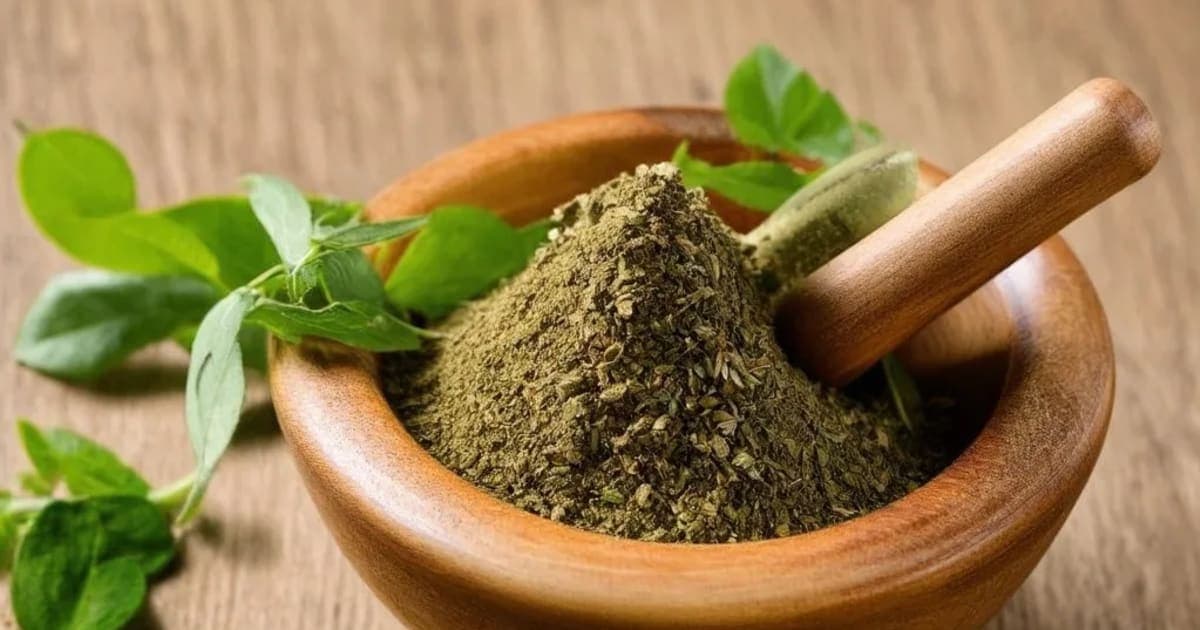
The Divine Benefits of Tulsi (Holy Basil) in Ayurveda
Expert Reviewed
Reviewed by AyurvedicUpchar Editorial Team
Introduction
Tulsi, known as Holy Basil, is a sacred herb revered in Ayurveda for its profound healing properties. Often called the "Queen of Herbs," it is considered a natural medicine that offers immense benefits for physical, mental, and spiritual health. In Indian culture, the Tulsi plant is not merely a botanical specimen but a spiritual companion, believed to purify the environment and the mind.
Historical Significance in Ayurveda
The history of Tulsi in Ayurveda dates back thousands of years. It is extensively documented in the ancient classical texts, including the Charaka Samhita (Chapter 1) and the Sushruta Samhita. These foundational texts classify Tulsi as a "Rasayana," a rejuvenating herb that promotes longevity and vitality. Ancient sages recognized its ability to balance the three Doshas (Vata, Pitta, and Kapha), though it is particularly effective in pacifying Kapha and Vata imbalances.
Active Phytochemicals
The therapeutic power of Tulsi lies in its rich profile of active compounds. It is packed with essential oils and antioxidants that drive its healing effects. Key constituents include Eugenol, which acts as a powerful anti-inflammatory; Beta-carotene, a precursor to Vitamin A; and Vitamin C, a vital nutrient for immune function. Additionally, it contains ursolic acid, rosmarinic acid, and apigenin, which contribute to its adaptogenic and antimicrobial properties.
Key Health Benefits of Tulsi
Tulsi offers a wide spectrum of health advantages. It is a potent natural anti-inflammatory and antioxidant agent that helps combat oxidative stress and cellular damage within the body.
Strengthens the Immune System
Tulsi is a renowned immunomodulator. It enhances the body's defense mechanisms, making it more resilient against infections, viruses, and bacteria. Regular consumption helps the body fight off seasonal illnesses and supports the production of natural killer cells.
Reduces Stress and Anxiety
As a powerful adaptogen, Tulsi helps the body adapt to physical and emotional stress. It regulates cortisol levels, the primary stress hormone, thereby promoting a state of calm and mental clarity. It is highly beneficial for maintaining mental health and reducing symptoms of anxiety.
Supports Heart Health
Tulsi is highly beneficial for cardiovascular health. It helps in maintaining healthy cholesterol levels and supports the regulation of blood pressure. Its antioxidant properties protect the heart muscles from damage and improve overall circulation.
Strengthens the Digestive System
Tulsi aids in strengthening the digestive fire (Agni). It helps alleviate common digestive issues such as bloating, gas, acidity, and indigestion. By promoting a healthy gut environment, it ensures efficient nutrient absorption.
Protection Against Cancer
Emerging research suggests that Tulsi plays a role in cancer prevention. Its antioxidant and anti-carcinogenic properties help the body fight against free radicals and may inhibit the growth of cancerous cells, although it should be used as a supportive therapy alongside professional medical treatment.
Helps Manage Diabetes
Tulsi is effective in managing blood sugar levels. It helps improve insulin sensitivity and supports the pancreas in regulating glucose, making it a valuable herb for individuals with Type 2 diabetes or those at risk.
Assists in Weight Management
Tulsi can aid in weight loss by boosting metabolism and promoting the burning of excess fat. It also helps in reducing water retention and detoxifying the body, which supports a healthy weight management regimen.
How to Use Tulsi
Tulsi can be incorporated into your daily routine in various forms, depending on your health needs. It is widely available as fresh leaves, dried powder, tablets, or as a decoction (Kadha).
| Form | Dosage | Frequency | Best For |
|---|---|---|---|
| Powder | 1-2 teaspoons | 2-3 times daily | General health and immunity |
| Tablets | 1-2 tablets | 2-3 times daily | Specific health concerns |
| Decoction (Kadha) | 1/2 cup | 2-3 times daily | Respiratory and digestive issues |
Side Effects and Precautions
While Tulsi is generally safe for most people, it may cause side effects in certain individuals or under specific conditions. Excessive consumption may lead to blood thinning or a drop in blood sugar levels. It is not recommended for pregnant women or breastfeeding mothers without professional guidance, as it may affect uterine contractions or hormone levels. Individuals on blood-thinning medication or those scheduled for surgery should consult an Ayurvedic practitioner before use.
Frequently Asked Questions
Can I eat Tulsi leaves every day?
Yes, consuming 5-10 fresh Tulsi leaves daily is generally safe and highly beneficial for immunity and detoxification. However, it is best to chew them on an empty stomach or drink them as tea.
Is Tulsi safe for pregnant women?
Pregnant women should exercise caution and avoid high doses of Tulsi, as it may stimulate uterine contractions. Always consult an Ayurvedic doctor before use during pregnancy.
What is the best time to consume Tulsi?
The best time to consume Tulsi is in the morning on an empty stomach or in the evening to combat stress. Avoid consuming it late at night as it may be too energizing for some.
Related Articles
The Timeless Benefits of Triphala: An Ayurvedic Powerhouse
Discover the transformative benefits of Triphala, an ancient Ayurvedic blend of three fruits that supports digestion, immunity, weight management, and overall vitality.
5 min read
The Remarkable Benefits of Giloy: An Ayurvedic Powerhouse
Discover the profound health benefits of Giloy, the Ayurvedic 'root of immortality.' Learn how this powerful herb boosts immunity, manages diabetes, improves digestion, and supports skin, hair, and bone health.
5 min read
The Remarkable Benefits of Ashwagandha: An Ayurvedic Perspective
Discover the ancient wisdom of Ashwagandha, a powerful Ayurvedic adaptogen known for reducing stress, boosting immunity, improving sleep, and enhancing physical strength.
4 min read
Brihatyadi Kashayam: Natural Relief for Urinary Tract Disorders and Cystitis
Brihatyadi Kashayam is a cooling Ayurvedic decoction that targets urinary burning and cystitis by balancing Vata and Pitta. Unlike standard teas, this concentrated liquid extract is specifically designed to reduce inflammation in the bladder lining while flushing out toxins.
5 min read
Asphota: Ayurvedic Brain Tonic, Calming Herb & Blood Purifier
Often overlooked, Asphota is a cooling, bitter herb that acts as a gentle brain tonic and blood purifier. While it shares traits with the popular Aparajita, its unique astringent quality makes it particularly effective for stopping bleeding and soothing inflamed tissues.
6 min read
Aivana (Henbane): Ancient Pain Relief & Nervine Support in Purified Forms
Aivana (Henbane) is a toxic plant that becomes a powerful nervine sedative only after rigorous purification. Used in minute doses by Ayurvedic masters, it halts severe convulsions and nerve pain but remains dangerous in its raw form.
4 min read
References & Sources
This article is based on principles from classical Ayurvedic texts including Charaka Samhita, Sushruta Samhita, and Ashtanga Hridaya. Content has been reviewed for accuracy by our editorial team. For specific medical conditions, always consult a qualified Ayurvedic practitioner or healthcare provider.
- • Charaka Samhita (चरक संहिता)
- • Sushruta Samhita (सुश्रुत संहिता)
- • Ashtanga Hridaya (अष्टांग हृदय)
Found an error in this article? Let us know