
Brihatyadi Kashayam: Natural Relief for Urinary Tract Disorders and Cystitis
Expert Reviewed
Reviewed by AyurvedicUpchar Editorial Team
What is Brihatyadi Kashayam and how is it used?
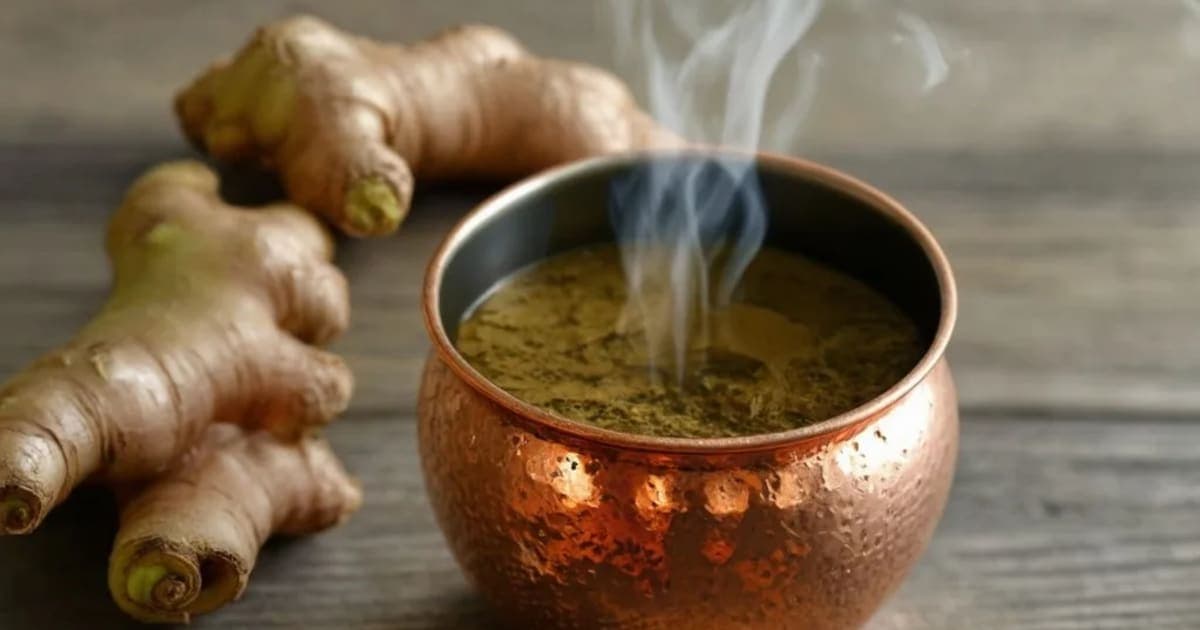
Brihatyadi Kashayam is a traditional Ayurvedic decoction centered on the herb Brihati (Solanum indicum), specifically prepared to treat urinary tract disorders like dysuria, burning sensations during urination, and cystitis. Unlike a simple tea, this kashayam is a concentrated liquid extract made by boiling specific herbs in water until the volume reduces, a method that pulls out the active medicinal compounds for rapid absorption.
In a typical home setting, an Ayurvedic practitioner might prescribe this decoction warm, taken twice daily after meals to soothe inflamed urinary passages. The liquid has a distinct, slightly bitter taste with a sweet aftertaste, reflecting its dual nature in the body. While modern medicine often reaches for antibiotics for UTIs, classical texts like the Charaka Samhita (Sutra Sthana) describe this formulation as a cooling agent that clears heat from the bladder without disrupting the digestive fire.
"Brihatyadi Kashayam is a cooling Ayurvedic decoction used primarily to pacify Pitta and Vata doshas, offering relief from urinary burning and inflammation through its bitter and sweet taste profile."
What are the specific Ayurvedic properties of Brihatyadi Kashayam?
The therapeutic power of Brihatyadi Kashayam lies in its precise pharmacological profile, defined by five fundamental properties that dictate how it interacts with your tissues. It is classified as having a cooling potency (Sheeta Virya) and a light quality (Laghu Guna), which allows it to penetrate deep into the urinary tract without creating heaviness or congestion.
| Property (Sanskrit) | Value | What it means for your body |
|---|---|---|
| Rasa (Taste) | Tikta (Bitter), Madhura (Sweet) | The bitter taste detoxifies and reduces Pitta (heat), while the sweet component nourishes tissues and calms the mind. |
| Guna (Quality) | Laghu (Light) | Being light ensures the decoction is easily digested and absorbed quickly, preventing stagnation in the stomach. |
| Virya (Potency) | Sheeta (Cooling) | This cooling energy directly counters the burning sensation of cystitis and reduces inflammation in the bladder lining. |
| Vipaka (Post-digestive effect) | Madhura (Sweet) | After digestion, the herb leaves a sweet effect that helps heal and rebuild the delicate mucous membranes of the urinary tract. |
Which doshas does Brihatyadi Kashayam balance or aggravate?
Brihatyadi Kashayam primarily balances Vata and Pitta doshas, making it an ideal remedy for conditions involving dryness, anxiety, or excessive heat in the body. When Vata and Pitta are imbalanced, symptoms often manifest as irregular urination, burning pain, or spasms in the pelvic region, all of which this decoction addresses by providing moisture and cooling the system.
However, those with a dominant Kapha constitution or existing issues with fluid retention should exercise caution. Because the post-digestive effect (Vipaka) is sweet and the formulation is cooling, excessive use can increase Kapha, potentially leading to sluggish digestion, mucus accumulation, or a feeling of heaviness. It is generally best used for short-term relief of acute urinary symptoms rather than as a daily tonic for Kapha types without professional guidance.
"While Brihatyadi Kashayam effectively cools Pitta and settles Vata, prolonged use without monitoring can aggravate Kapha, leading to congestion or lethargy in susceptible individuals."
How to identify if you need this herbal decoction
You may benefit from Brihatyadi Kashayam if you experience the classic signs of aggravated Pitta in the urinary system, such as a burning sensation during urination, dark yellow or strong-smelling urine, and a frequent urge to pass small amounts of urine. Additionally, if your urinary issues are accompanied by Vata symptoms like lower back pain, anxiety about bathroom access, or a feeling of incomplete emptying, this formulation is often indicated.
Conversely, if your symptoms include clear, copious urine with no burning sensation, or if you feel cold and lethargic, the cooling nature of this kashayam might not be the right fit. Always observe how your body reacts; a well-tolerated dose should leave you feeling lighter and more comfortable, not heavier or colder.
Frequently Asked Questions
What are the main benefits of Brihatyadi Kashayam?
The primary benefit of Brihatyadi Kashayam is its ability to reduce burning sensations and inflammation in the urinary tract. It acts as a natural diuretic that flushes toxins while simultaneously cooling the bladder lining, making it effective for cystitis and dysuria.
Can Brihatyadi Kashayam be taken with other medicines?
Generally, it is safe to use alongside other Ayurvedic treatments, but you should avoid taking it simultaneously with strong heating herbs or antibiotics without consulting a practitioner. The cooling nature of the decoction can sometimes counteract the action of warming medicines if not timed correctly.
Who should avoid taking Brihatyadi Kashayam?
Individuals with a strong Kapha constitution, those suffering from severe colds with excessive mucus, or people with chronic low digestion should avoid this decoction. Its cooling potency can worsen congestion and slow down metabolism in these specific cases.
How is Brihatyadi Kashayam traditionally prepared?
Traditionally, the herbs are soaked in water overnight, boiled in the morning until the liquid reduces to a quarter of the original volume, and then strained. The resulting concentrated liquid is taken warm, often mixed with a small amount of ghee or honey to improve taste and absorption.
Frequently Asked Questions
What is Brihatyadi Kashayam used for in Ayurveda?
Brihatyadi Kashayam is primarily used as a Diuretic and Vatahara in Ayurvedic medicine. A decoction including Brihati, used for urinary tract disorders like dysuria and cystitis. It pacifies Vata, Pitta dosha.
How should I take Brihatyadi Kashayam?
Brihatyadi Kashayam can be taken as powder (1/2-1 tsp with warm water or milk), decoction (boil 1 tsp in water), or tablets (1-2 daily). Always start with a low dose and consult an Ayurvedic practitioner for personalized guidance.
Is Brihatyadi Kashayam safe during pregnancy?
Pregnant and nursing women should not take Brihatyadi Kashayam without consulting their doctor first. Most Ayurvedic herbs require medical supervision during pregnancy.
Which dosha does Brihatyadi Kashayam balance?
Brihatyadi Kashayam pacifies Vata, Pitta. Excessive use may increase Kapha dosha.
Can I take Brihatyadi Kashayam daily?
Brihatyadi Kashayam can be taken daily in recommended doses for 4-8 weeks. After that, take a 2-week break before resuming. Long-term use should be supervised by a qualified Ayurvedic practitioner.
What are the side effects of Brihatyadi Kashayam?
When taken in recommended doses, Brihatyadi Kashayam is generally safe. Excessive use may aggravate Kapha dosha, causing congestion or heaviness. Stop use if you experience any adverse reaction.
Related Articles
The Timeless Benefits of Triphala: An Ayurvedic Powerhouse
Discover the transformative benefits of Triphala, an ancient Ayurvedic blend of three fruits that supports digestion, immunity, weight management, and overall vitality.
5 min read
The Divine Benefits of Tulsi (Holy Basil) in Ayurveda
Discover the sacred benefits of Tulsi (Holy Basil) in Ayurveda. From boosting immunity and reducing stress to supporting heart health and digestion, learn how this divine herb can transform your well-being.
4 min read
The Remarkable Benefits of Giloy: An Ayurvedic Powerhouse
Discover the profound health benefits of Giloy, the Ayurvedic 'root of immortality.' Learn how this powerful herb boosts immunity, manages diabetes, improves digestion, and supports skin, hair, and bone health.
5 min read
The Remarkable Benefits of Ashwagandha: An Ayurvedic Perspective
Discover the ancient wisdom of Ashwagandha, a powerful Ayurvedic adaptogen known for reducing stress, boosting immunity, improving sleep, and enhancing physical strength.
4 min read
Asphota: Ayurvedic Brain Tonic, Calming Herb & Blood Purifier
Often overlooked, Asphota is a cooling, bitter herb that acts as a gentle brain tonic and blood purifier. While it shares traits with the popular Aparajita, its unique astringent quality makes it particularly effective for stopping bleeding and soothing inflamed tissues.
6 min read
Aivana (Henbane): Ancient Pain Relief & Nervine Support in Purified Forms
Aivana (Henbane) is a toxic plant that becomes a powerful nervine sedative only after rigorous purification. Used in minute doses by Ayurvedic masters, it halts severe convulsions and nerve pain but remains dangerous in its raw form.
4 min read
References & Sources
This article is based on principles from classical Ayurvedic texts including Charaka Samhita, Sushruta Samhita, and Ashtanga Hridaya. Content has been reviewed for accuracy by our editorial team. For specific medical conditions, always consult a qualified Ayurvedic practitioner or healthcare provider.
- • Charaka Samhita (चरक संहिता)
- • Sushruta Samhita (सुश्रुत संहिता)
- • Ashtanga Hridaya (अष्टांग हृदय)
Found an error in this article? Let us know