
The Remarkable Benefits of Ashwagandha: An Ayurvedic Perspective
Expert Reviewed
Reviewed by AyurvedicUpchar Editorial Team
Introduction
Ashwagandha, known scientifically as Withania somnifera, is a cornerstone herb in the ancient wisdom of Indian Ayurveda. Revered as a powerful adaptogen, it has been used for millennia to help the body resist stress, combat fatigue, and fight off various ailments. Often referred to as the 'Indian Ginseng,' its name translates to the 'smell of a horse,' alluding to its unique root aroma and the belief that it imparts the strength and vitality of a stallion to those who consume it. In modern wellness, it remains a primary remedy for restoring balance to the mind and body.
Historical Significance in Ayurveda
The legacy of Ashwagandha is deeply rooted in classical Ayurvedic texts. It is prominently mentioned in the Charaka Samhita and the Sushruta Samhita, two of the most authoritative ancient medical treatises. Historically, sages and physicians prescribed this herb not merely as a tonic but as a comprehensive rejuvenator. It was traditionally utilized to bolster the body's innate immunity, enhance longevity, and calm the nervous system. For centuries, it has been the go-to herb for individuals seeking to recover from chronic illness or to maintain peak physical and mental performance.
Active Compounds and Mechanism
The therapeutic prowess of Ashwagandha lies in its rich phytochemical profile. The root contains potent bioactive compounds known as withanolides, which are steroidal lactones responsible for most of its adaptogenic and anti-inflammatory properties. Additionally, it contains alkaloids, saponins, and fatty acids that work synergistically. These compounds interact with the hypothalamic-pituitary-adrenal (HPA) axis, helping to regulate cortisol levels and restore homeostasis within the body's systems.
Stress and Anxiety Reduction
As a premier adaptogen, Ashwagandha excels in modulating the body's response to stress. It helps lower cortisol levels, the primary stress hormone, thereby reducing feelings of anxiety and mental exhaustion. Regular consumption can lead to a calmer state of mind, improved emotional resilience, and a significant reduction in the physical symptoms associated with chronic stress.
Immune System Enhancement
Ashwagandha acts as a potent immunomodulator. It stimulates the activity of immune cells, such as macrophages and natural killer cells, which are crucial for identifying and destroying pathogens. By strengthening the body's defense mechanisms, it helps prevent infections and aids in faster recovery from illnesses, making it an essential supplement for overall vitality.
Improvement in Sleep Quality
The species name somnifera literally means 'sleep-inducing.' Ashwagandha contains triethylene glycol, a compound that promotes sedation and improves sleep quality. It is particularly effective for individuals suffering from insomnia or those who experience restless sleep due to anxiety. By calming the nervous system, it facilitates a deeper, more restorative sleep cycle.
Enhancement of Mental Health
Beyond stress relief, Ashwagandha supports cognitive function and mental clarity. Studies suggest it may help alleviate symptoms of depression by regulating neurotransmitters in the brain. It enhances memory, focus, and reaction time, making it beneficial for students, professionals, and the elderly alike who wish to maintain sharp mental faculties.
Physical Health and Muscle Strength
In the realm of physical health, Ashwagandha is renowned for its ability to increase muscle mass and strength. It aids in recovery after intense physical exertion, reduces muscle damage, and improves endurance. It is often recommended for athletes and those engaging in regular fitness routines to optimize their performance and recovery times.
How to Use Ashwagandha
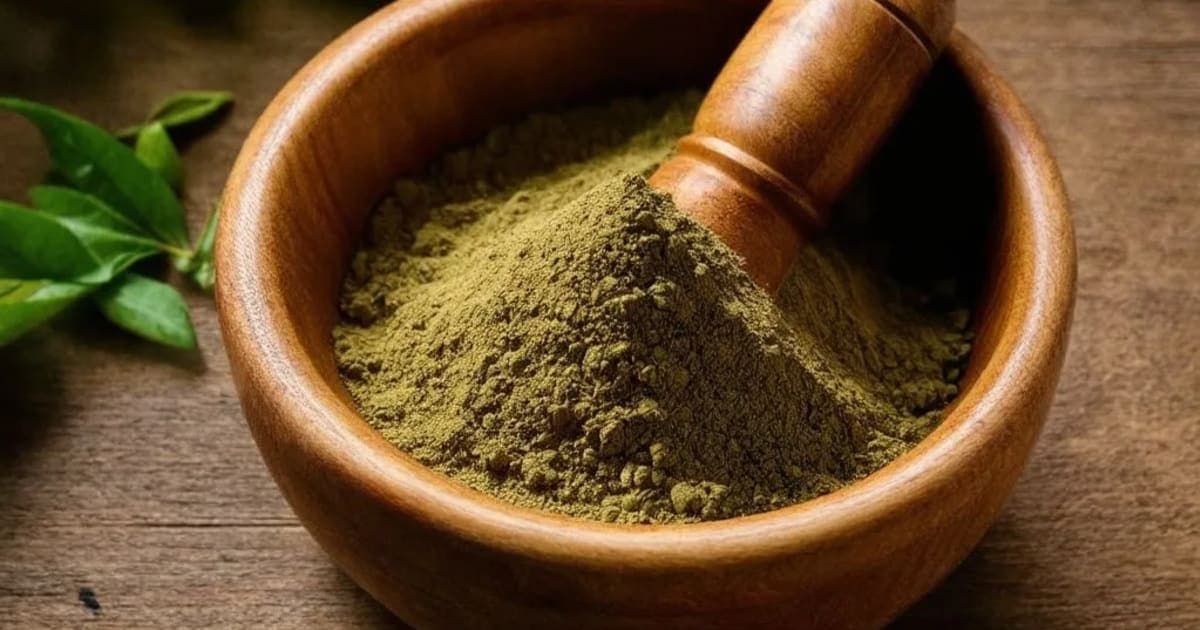
Ashwagandha is versatile and can be consumed in various forms depending on individual preference and specific health goals. The most common forms include fine powder, tablets, and traditional decoctions (Kadha). While the standard recommended dosage typically ranges from 300 to 500 milligrams of standardized extract per day, traditional usage often involves higher doses of the raw root powder mixed with warm milk or ghee. It is generally best taken in the evening or with meals to maximize absorption and minimize any potential digestive discomfort.
| Form | Dosage | Frequency | Best For |
|---|---|---|---|
| Root Powder | 3-6 grams (approx. 300-500 mg extract equivalent) | Once or twice daily | General health and traditional preparation |
| Tablets/Capsules | 300-500 mg | Once daily | Convenience and precise dosing |
| Decoction (Kadha) | 1-2 cups | Once daily | Traditional deep cleansing and warming effects |
Side Effects and Precautions
While Ashwagandha is generally safe for most adults when taken in recommended amounts, it is not without potential side effects. Some individuals may experience mild digestive issues such as stomach upset, diarrhea, or nausea. Rarely, allergic reactions may occur. It is crucial to exercise caution: pregnant and breastfeeding women should avoid Ashwagandha unless explicitly prescribed by a qualified Ayurvedic practitioner, as it may stimulate the uterus. Furthermore, individuals with autoimmune diseases or those taking sedatives, thyroid medications, or immunosuppressants must consult a healthcare provider before incorporating this herb into their regimen to avoid adverse interactions.
Frequently Asked Questions
What is the best time to take Ashwagandha?
Ashwagandha can be taken in the morning to boost energy or in the evening to promote relaxation and better sleep. Taking it with warm milk or ghee is a traditional Ayurvedic practice that enhances absorption.
How long does it take to see results from Ashwagandha?
While some people may feel a difference in stress levels within a few weeks, significant improvements in sleep, immunity, and muscle strength often require consistent use for 6 to 8 weeks.
Can Ashwagandha be taken with other medications?
Caution is advised. Ashwagandha may interact with sedatives, thyroid hormones, and immunosuppressants. Always consult a healthcare professional before combining it with prescription medications.
Is Ashwagandha safe for children?
Ashwagandha is generally not recommended for young children unless prescribed by a qualified Ayurvedic doctor who can determine the appropriate dosage based on the child's age and constitution.
Related Articles
The Timeless Benefits of Triphala: An Ayurvedic Powerhouse
Discover the transformative benefits of Triphala, an ancient Ayurvedic blend of three fruits that supports digestion, immunity, weight management, and overall vitality.
5 min read
The Divine Benefits of Tulsi (Holy Basil) in Ayurveda
Discover the sacred benefits of Tulsi (Holy Basil) in Ayurveda. From boosting immunity and reducing stress to supporting heart health and digestion, learn how this divine herb can transform your well-being.
4 min read
The Remarkable Benefits of Giloy: An Ayurvedic Powerhouse
Discover the profound health benefits of Giloy, the Ayurvedic 'root of immortality.' Learn how this powerful herb boosts immunity, manages diabetes, improves digestion, and supports skin, hair, and bone health.
5 min read
Brihatyadi Kashayam: Natural Relief for Urinary Tract Disorders and Cystitis
Brihatyadi Kashayam is a cooling Ayurvedic decoction that targets urinary burning and cystitis by balancing Vata and Pitta. Unlike standard teas, this concentrated liquid extract is specifically designed to reduce inflammation in the bladder lining while flushing out toxins.
5 min read
Asphota: Ayurvedic Brain Tonic, Calming Herb & Blood Purifier
Often overlooked, Asphota is a cooling, bitter herb that acts as a gentle brain tonic and blood purifier. While it shares traits with the popular Aparajita, its unique astringent quality makes it particularly effective for stopping bleeding and soothing inflamed tissues.
6 min read
Aivana (Henbane): Ancient Pain Relief & Nervine Support in Purified Forms
Aivana (Henbane) is a toxic plant that becomes a powerful nervine sedative only after rigorous purification. Used in minute doses by Ayurvedic masters, it halts severe convulsions and nerve pain but remains dangerous in its raw form.
4 min read
References & Sources
This article is based on principles from classical Ayurvedic texts including Charaka Samhita, Sushruta Samhita, and Ashtanga Hridaya. Content has been reviewed for accuracy by our editorial team. For specific medical conditions, always consult a qualified Ayurvedic practitioner or healthcare provider.
- • Charaka Samhita (चरक संहिता)
- • Sushruta Samhita (सुश्रुत संहिता)
- • Ashtanga Hridaya (अष्टांग हृदय)
Found an error in this article? Let us know