
Asphota: Ayurvedic Brain Tonic, Calming Herb & Blood Purifier
Expert Reviewed
Reviewed by AyurvedicUpchar Editorial Team
What is Asphota in Ayurveda?
Asphota is a cooling, bitter herb used in Ayurveda to calm the mind, purify the blood, and stop bleeding. While it is closely related to the more famous Aparajita (Clitoria ternatea), Asphota carries a distinct astringent quality that makes it a specific remedy for heat-related inflammation and tissue repair.
In the classical texts of Dravyaguna Shastra, this herb is described as having a "Sheeta" (cooling) potency. The Charaka Samhita lists it among substances that effectively pacify elevated Vata and Pitta doshas. Unlike many herbs that only work on one system, Asphota moves through the body to clear toxins from the blood while simultaneously soothing the nervous system. A key fact to remember is that Asphota's long-term digestive effect (Vipaka) is pungent, meaning it can stimulate digestion even though the herb itself feels cold to the touch.
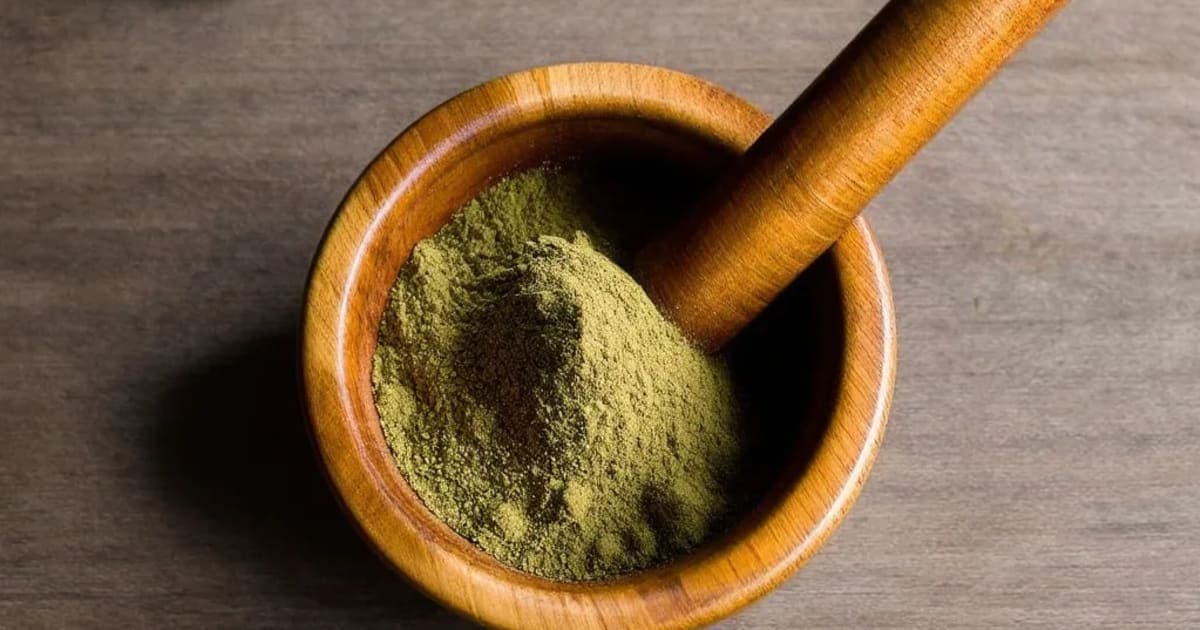
When you encounter Asphota in a traditional formulation, it is often prepared as a fine powder mixed with warm milk or ghee. This method helps balance its drying, astringent nature, making it easier for the body to absorb its calming properties without causing constipation. The taste is unmistakably bitter and astringent, leaving a dry, tightening sensation in the mouth that signals its ability to draw heat out of the tissues.
How does the Ayurvedic classification of Asphota work?
The Ayurvedic classification of Asphota relies on five specific properties—Rasa, Guna, Virya, Vipaka, and Prabhava—that dictate how the herb interacts with your unique body constitution. These properties explain why Asphota is effective for cooling inflammation and tightening loose tissues while remaining light enough not to cause sluggish digestion.
| Property (Sanskrit) | Value | What it means for your body |
|---|---|---|
| Rasa (Taste) | Tikta, Kashaya | Bitter taste detoxifies and purifies blood; astringent taste dries excess moisture and helps stop bleeding. |
| Guna (Quality) | Laghu | Light quality allows for quick absorption and deep penetration into tissues without weighing down the stomach. |
| Virya (Potency) | Sheeta | Cooling energy immediately reduces inflammation, fever, and burning sensations in the body. |
| Vipaka (Post-digestive) | Katu | Pungent post-digestive effect helps clear residual toxins and stimulates metabolic fire after the herb is processed. |
Understanding these values is crucial for safe usage. For instance, while the cooling Virya is excellent for Pitta imbalances like skin rashes or acid reflux, the light Guna means it may not be heavy enough to ground severe Vata anxiety on its own without the addition of nourishing fats like sesame oil or ghee.
Which dosha does Asphota balance and aggravate?
Asphota primarily balances Vata and Pitta doshas by providing cooling relief to overheated tissues and lightness to stagnant systems. It is most beneficial for individuals experiencing symptoms of heat, inflammation, or nervous system agitation, but it should be used with caution by those with a dominant Kapha constitution.
Because Asphota possesses both bitter and astringent tastes, it naturally reduces the heavy, oily qualities of Kapha. However, its drying nature can sometimes be too intense. If a person with high Kapha uses Asphota excessively, they may experience increased congestion, a feeling of heaviness, or lethargy. The Bhavaprakash Nighantu advises that while it is a potent blood purifier, those with weak digestion or excessive mucus should pair it with warming spices like ginger to counteract its cold potency.
Recognizing when your body needs Asphota
You likely need Asphota if you are experiencing the classic signs of elevated Pitta, such as burning sensations in the stomach, skin eruptions, or a temper that flares quickly. It is also a strong candidate if your Vata is manifesting as dry, cracked skin or a racing mind that cannot settle at night. The herb works by drawing out excess heat and providing a grounding, cooling effect that brings the nervous system back to equilibrium.
How do people traditionally use Asphota for health?
Traditional usage of Asphota focuses on its ability to cool the blood and calm the mind, often administered as a powder mixed with milk or as a paste applied topically to inflamed areas. In home remedies, the fresh leaves or flowers are sometimes chewed raw to alleviate minor mouth ulcers or throat irritation, leveraging the astringent taste to tighten and heal the mucous membranes.
For internal use, a common preparation involves mixing one gram of Asphota powder with a teaspoon of ghee and warm milk before bedtime. This combination targets Vata-induced insomnia and anxiety while the cooling nature of the herb soothes any underlying Pitta irritation in the gut. The Bhavaprakash Nighantu specifically notes its utility in formulations designed to stop bleeding (Rakta Stambhana), making it a go-to herb for minor internal hemorrhages or heavy menstrual flow associated with heat.
Frequently Asked Questions about Asphota
Is Asphota the same as Aparajita (Butterfly Pea)?
Asphota is a variety of Aparajita (Clitoria ternatea) and shares similar cooling and brain-tonic properties, but it is distinguished by a stronger astringent taste. This makes Asphota particularly more effective for stopping bleeding and drying excess moisture compared to the standard Aparajita flower.
Can Asphota help with anxiety and stress?
Yes, Asphota acts as a brain tonic (Medhya Rasayana) in Ayurveda, helping to calm racing thoughts and reduce Vata-related anxiety. Its cooling potency specifically addresses the physical symptoms of stress, such as tension headaches and irritability caused by excess heat.
Who should avoid using Asphota?
People with a dominant Kapha constitution or those suffering from severe colds, congestion, and sluggish digestion should avoid excessive use. Because the herb is drying and cooling, it can worsen symptoms of lethargy or increase mucus production if not balanced with warming spices.
How is Asphota typically prepared for consumption?
It is most commonly taken as a fine powder mixed with warm milk, ghee, or honey to offset its drying and bitter nature. For external use, a paste made from the fresh leaves is applied directly to inflamed skin or wounds to reduce swelling and promote healing.
Medical Disclaimer: The information provided here is for educational purposes based on traditional Ayurvedic texts. Asphota is a medicinal herb and should not replace professional medical advice. Always consult a qualified Ayurvedic practitioner or healthcare provider before starting any new herbal regimen, especially if you are pregnant, nursing, or taking prescription medications.
Content adapted from classical Ayurvedic sources including the Charaka Samhita and Bhavaprakash Nighantu. Licensed under CC BY 4.0.
Frequently Asked Questions
What is Asphota used for in Ayurveda?
Asphota is primarily used as a Brain Tonic and Vishaghna in Ayurvedic medicine. A variety of Aparajita (Clitoria ternatea), sharing its brain-tonic and calming properties. It pacifies Vata, Pitta dosha.
How should I take Asphota?
Asphota can be taken as powder (1/2-1 tsp with warm water or milk), decoction (boil 1 tsp in water), or tablets (1-2 daily). Always start with a low dose and consult an Ayurvedic practitioner for personalized guidance.
Is Asphota safe during pregnancy?
Pregnant and nursing women should not take Asphota without consulting their doctor first. Most Ayurvedic herbs require medical supervision during pregnancy.
Which dosha does Asphota balance?
Asphota pacifies Vata, Pitta. Excessive use may increase Kapha dosha.
Can I take Asphota daily?
Asphota can be taken daily in recommended doses for 4-8 weeks. After that, take a 2-week break before resuming. Long-term use should be supervised by a qualified Ayurvedic practitioner.
What are the side effects of Asphota?
When taken in recommended doses, Asphota is generally safe. Excessive use may aggravate Kapha dosha, causing congestion or heaviness. Stop use if you experience any adverse reaction.
Related Articles
The Timeless Benefits of Triphala: An Ayurvedic Powerhouse
Discover the transformative benefits of Triphala, an ancient Ayurvedic blend of three fruits that supports digestion, immunity, weight management, and overall vitality.
5 min read
The Divine Benefits of Tulsi (Holy Basil) in Ayurveda
Discover the sacred benefits of Tulsi (Holy Basil) in Ayurveda. From boosting immunity and reducing stress to supporting heart health and digestion, learn how this divine herb can transform your well-being.
4 min read
The Remarkable Benefits of Giloy: An Ayurvedic Powerhouse
Discover the profound health benefits of Giloy, the Ayurvedic 'root of immortality.' Learn how this powerful herb boosts immunity, manages diabetes, improves digestion, and supports skin, hair, and bone health.
5 min read
The Remarkable Benefits of Ashwagandha: An Ayurvedic Perspective
Discover the ancient wisdom of Ashwagandha, a powerful Ayurvedic adaptogen known for reducing stress, boosting immunity, improving sleep, and enhancing physical strength.
4 min read
Brihatyadi Kashayam: Natural Relief for Urinary Tract Disorders and Cystitis
Brihatyadi Kashayam is a cooling Ayurvedic decoction that targets urinary burning and cystitis by balancing Vata and Pitta. Unlike standard teas, this concentrated liquid extract is specifically designed to reduce inflammation in the bladder lining while flushing out toxins.
5 min read
Aivana (Henbane): Ancient Pain Relief & Nervine Support in Purified Forms
Aivana (Henbane) is a toxic plant that becomes a powerful nervine sedative only after rigorous purification. Used in minute doses by Ayurvedic masters, it halts severe convulsions and nerve pain but remains dangerous in its raw form.
4 min read
References & Sources
This article is based on principles from classical Ayurvedic texts including Charaka Samhita, Sushruta Samhita, and Ashtanga Hridaya. Content has been reviewed for accuracy by our editorial team. For specific medical conditions, always consult a qualified Ayurvedic practitioner or healthcare provider.
- • Charaka Samhita (चरक संहिता)
- • Sushruta Samhita (सुश्रुत संहिता)
- • Ashtanga Hridaya (अष्टांग हृदय)
Found an error in this article? Let us know