
Haritaki: The King of Herbs for Digestion and Vata Balance
Expert Reviewed
Reviewed by AyurvedicUpchar Editorial Team
What is Haritaki?
Haritaki is a drying, rejuvenating fruit used in Ayurveda primarily to clear constipation, balance Vata dosha, and support overall longevity. Often called the "King of Medicines" in Tibetan and Indian traditions, this small, wrinkled fruit looks unassuming but holds a complex pharmacological profile that few other substances can match.
You will most commonly find Haritaki as the main ingredient in Triphala, the classic three-fruit formula found in almost every Ayurvedic household. However, standing alone, it possesses a unique ability to scrape away toxins (Ama) from the colon while simultaneously nourishing the tissues. The Charaka Samhita, specifically in the Sutra Sthana section, dedicates entire chapters to Haritaki, listing over a hundred uses ranging from treating skin diseases to sharpening the intellect.
The fruit's power lies in its taste. While it registers as predominantly astringent on the tongue, Haritaki uniquely contains five of the six Ayurvedic tastes: astringent, sweet, sour, pungent, and bitter. It lacks only the salty taste. This near-complete spectrum allows it to interact with every tissue layer in the body. When you chew a piece of dried Haritaki, the initial dryness coats the mouth, followed by a subtle sweetness that lingers long after swallowing. This specific sequence signals the digestive fire to ignite without overheating the system.
What are the Ayurvedic properties of Haritaki?
Haritaki is classified as a warming herb with astringent and sweet post-digestive effects that make it light to digest yet deeply nourishing to the tissues. In Ayurvedic pharmacology, known as Dravyaguna Shastra, these properties determine exactly how the herb moves through your body and where it settles. Unlike synthetic drugs that target a single symptom, Haritaki's combination of qualities allows it to act as a scavenger for waste products while building healthy tissue.
Understanding these properties helps explain why Haritaki works so well for chronic constipation and bloating. Its dry and light qualities counteract the heavy, wet stagnation often found in slow digestion. Meanwhile, its heating potency ensures that the digestive fire remains strong enough to process food efficiently. This dual action of clearing blockages while strengthening the gut lining is what makes it a true rasayana, or rejuvenator.
| Property (Sanskrit) | Value | What it means for your body |
|---|---|---|
| Rasa (Taste) | Kashaya (Astringent), Madhura (Sweet), Amla (Sour), Katu (Pungent), Tikta (Bitter) | Dries excess moisture, heals tissues, stimulates appetite, clears channels, and purifies blood. |
| Guna (Quality) | Laghu (Light), Ruksha (Dry) | Easy to digest, penetrates deep into tissues, and reduces heaviness or lethargy. |
| Virya (Potency) | Ushna (Heating) | Stimulates metabolism, improves circulation, and kindles the digestive fire (Agni). |
| Vipaka (Post-digestive) | Madhura (Sweet) | Provides a nourishing, building effect on tissues after digestion is complete. |
Notice how the post-digestive effect (Vipaka) is sweet, even though the immediate taste is mostly astringent. This means that while Haritaki cleanses aggressively in the short term, its long-term impact on the body is grounding and tissue-building. This is a crucial distinction for anyone worried that detoxifying herbs might weaken them over time.
Which doshas does Haritaki balance?
Haritaki is one of the rare Tridosha herbs capable of balancing Vata, Pitta, and Kapha simultaneously, though it is most famous for pacifying Vata dosha. Its heating and drying nature makes it exceptionally effective for Vata types who struggle with cold hands, irregular digestion, or anxiety. Because it clears stagnation without depleting energy, it serves as a gentle corrective for all body constitutions when used correctly.
For Vata individuals, Haritaki acts like a warm blanket for the gut, soothing the erratic movement of air that causes gas and cramping. Taking it with ghee or warm milk before bed is a traditional method to calm the nervous system and ensure a regular morning elimination. Many grandmothers in India insist on this nightly ritual for their grandchildren during the cold winter months to prevent coughs and dry skin.
Pitta types can also use Haritaki, but they should take it with cooling carriers like ghee or coconut oil to offset its heating potency. The bitter and astringent tastes actually help cool excess heat in the blood and liver, making it useful for skin conditions like acne or eczema where heat is trapped under the surface. However, if you are experiencing an active flare-up of inflammation or acid reflux, it is wise to pause use or consult a practitioner.
Kapha types benefit most from Haritaki's light and drying qualities, which cut through the heavy, sluggish mucus that often clogs the respiratory and digestive tracts. Taking the powder with honey or warm water enhances its ability to scrape away this excess weight and water retention. You might notice your mind feeling sharper and your body feeling lighter within a week of consistent use.
How do people use Haritaki in daily life?
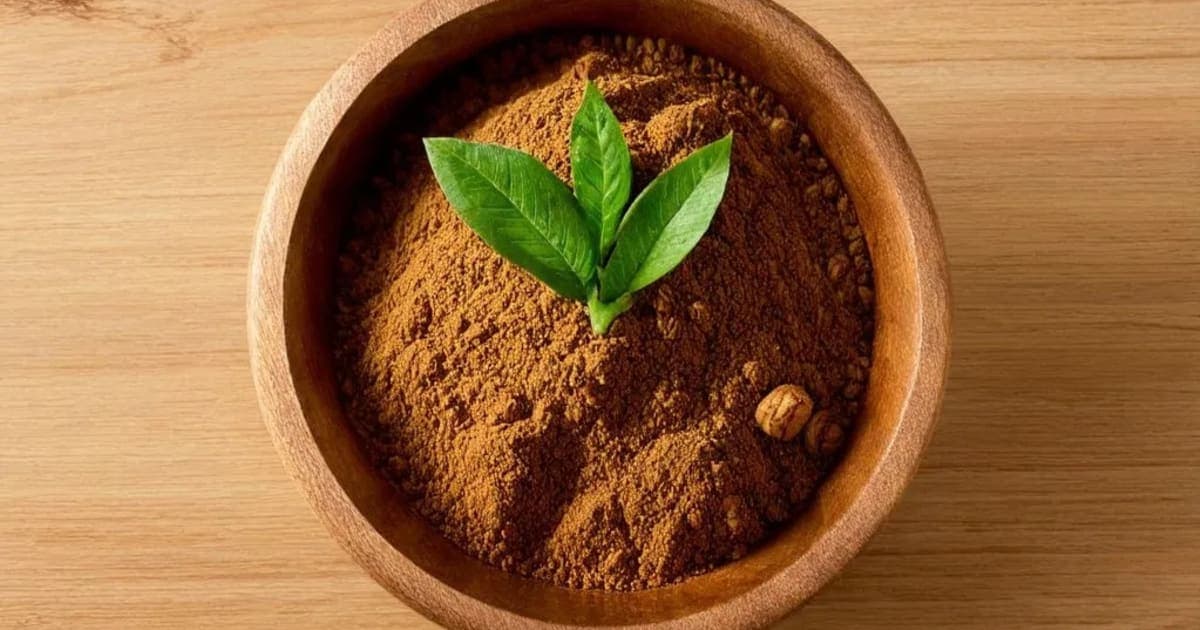
People typically consume Haritaki as a fine powder mixed with warm water, ghee, or honey, usually taken in the evening to support morning bowel movements. The fresh fruit is rarely eaten raw due to its intense astringency; instead, it is dried in the sun until the skin turns dark brown and wrinkled, then ground into a powder. This preparation method concentrates the active tannins and preserves the fruit for years.
A common home remedy involves mixing half a teaspoon of Haritaki powder with a cup of warm milk and a pinch of cardamom. This mixture is sipped slowly about an hour before bed. The fat in the milk and the aromatic spice help buffer the drying effect of the herb, making it gentle enough for daily use. Some prefer to chew a small piece of the dried fruit directly, letting the saliva mix with the powder before swallowing, which maximizes the digestive enzymes triggered by the taste buds.
Topically, a paste made from Haritaki powder and water can be applied to minor cuts or fungal infections. The high tannin content creates an immediate astringent layer that stops minor bleeding and discourages bacterial growth. While internal use is more common, this external application highlights the herb's versatility as a household staple.
Frequently Asked Questions
Is Haritaki safe to take every day?
Yes, Haritaki is generally safe for daily use when taken in moderate amounts, typically between 1 to 3 grams of powder. Because it has a sweet post-digestive effect, it builds tissue rather than depleting it, making it suitable for long-term rasayana therapy. However, those who are pregnant, nursing, or severely dehydrated should consult an Ayurvedic practitioner before starting a daily regimen.
What is the best time of day to take Haritaki?
The best time to take Haritaki is usually in the evening, about an hour before bed, to promote regular elimination the following morning. Taking it at night allows the herb to work with the body's natural circadian rhythms for detoxification. If you are using it specifically for energy or to clear morning grogginess, a smaller dose can be taken on an empty stomach in the morning.
Can Haritaki help with weight loss?
Haritaki can support weight loss primarily by improving digestion and reducing the accumulation of Ama, or metabolic waste, which often manifests as excess weight. Its light and drying qualities help reduce water retention and Kapha-related sluggishness. It is not a stimulant-based fat burner but rather a metabolic regulator that helps the body process food more efficiently.
Frequently Asked Questions
What is Haritaki used for in Ayurveda?
Haritaki is primarily used as a Rejuvenative (Rasayana) and Purgative in Ayurvedic medicine. A key component of Triphala, Haritaki is a powerful rejuvenator and detoxifier, especially for Vata dosha. It supports digestion and colon health. It pacifies tridosha dosha.
How should I take Haritaki?
Haritaki can be taken as powder (1/2-1 tsp with warm water or milk), decoction (boil 1 tsp in water), or tablets (1-2 daily). Always start with a low dose and consult an Ayurvedic practitioner for personalized guidance.
Is Haritaki safe during pregnancy?
Pregnant and nursing women should not take Haritaki without consulting their doctor first. Most Ayurvedic herbs require medical supervision during pregnancy.
Which dosha does Haritaki balance?
Haritaki pacifies tridosha and is one of the rare Tridosha herbs that balances all three doshas.
Can I take Haritaki daily?
Haritaki can be taken daily in recommended doses for 4-8 weeks. After that, take a 2-week break before resuming. Long-term use should be supervised by a qualified Ayurvedic practitioner.
What are the side effects of Haritaki?
When taken in recommended doses, Haritaki is generally safe. Overconsumption may cause digestive discomfort. Stop use if you experience any adverse reaction.
Related Articles
The Timeless Benefits of Triphala: An Ayurvedic Powerhouse
Discover the transformative benefits of Triphala, an ancient Ayurvedic blend of three fruits that supports digestion, immunity, weight management, and overall vitality.
5 min read
The Divine Benefits of Tulsi (Holy Basil) in Ayurveda
Discover the sacred benefits of Tulsi (Holy Basil) in Ayurveda. From boosting immunity and reducing stress to supporting heart health and digestion, learn how this divine herb can transform your well-being.
4 min read
The Remarkable Benefits of Giloy: An Ayurvedic Powerhouse
Discover the profound health benefits of Giloy, the Ayurvedic 'root of immortality.' Learn how this powerful herb boosts immunity, manages diabetes, improves digestion, and supports skin, hair, and bone health.
5 min read
The Remarkable Benefits of Ashwagandha: An Ayurvedic Perspective
Discover the ancient wisdom of Ashwagandha, a powerful Ayurvedic adaptogen known for reducing stress, boosting immunity, improving sleep, and enhancing physical strength.
4 min read
Brihatyadi Kashayam: Natural Relief for Urinary Tract Disorders and Cystitis
Brihatyadi Kashayam is a cooling Ayurvedic decoction that targets urinary burning and cystitis by balancing Vata and Pitta. Unlike standard teas, this concentrated liquid extract is specifically designed to reduce inflammation in the bladder lining while flushing out toxins.
5 min read
Asphota: Ayurvedic Brain Tonic, Calming Herb & Blood Purifier
Often overlooked, Asphota is a cooling, bitter herb that acts as a gentle brain tonic and blood purifier. While it shares traits with the popular Aparajita, its unique astringent quality makes it particularly effective for stopping bleeding and soothing inflamed tissues.
6 min read
References & Sources
This article is based on principles from classical Ayurvedic texts including Charaka Samhita, Sushruta Samhita, and Ashtanga Hridaya. Content has been reviewed for accuracy by our editorial team. For specific medical conditions, always consult a qualified Ayurvedic practitioner or healthcare provider.
- • Charaka Samhita (चरक संहिता)
- • Sushruta Samhita (सुश्रुत संहिता)
- • Ashtanga Hridaya (अष्टांग हृदय)
Found an error in this article? Let us know