
Amla: The Tridosha Balancer for Rejuvenation and Digestion
Expert Reviewed
Reviewed by AyurvedicUpchar Editorial Team
What is Amla?
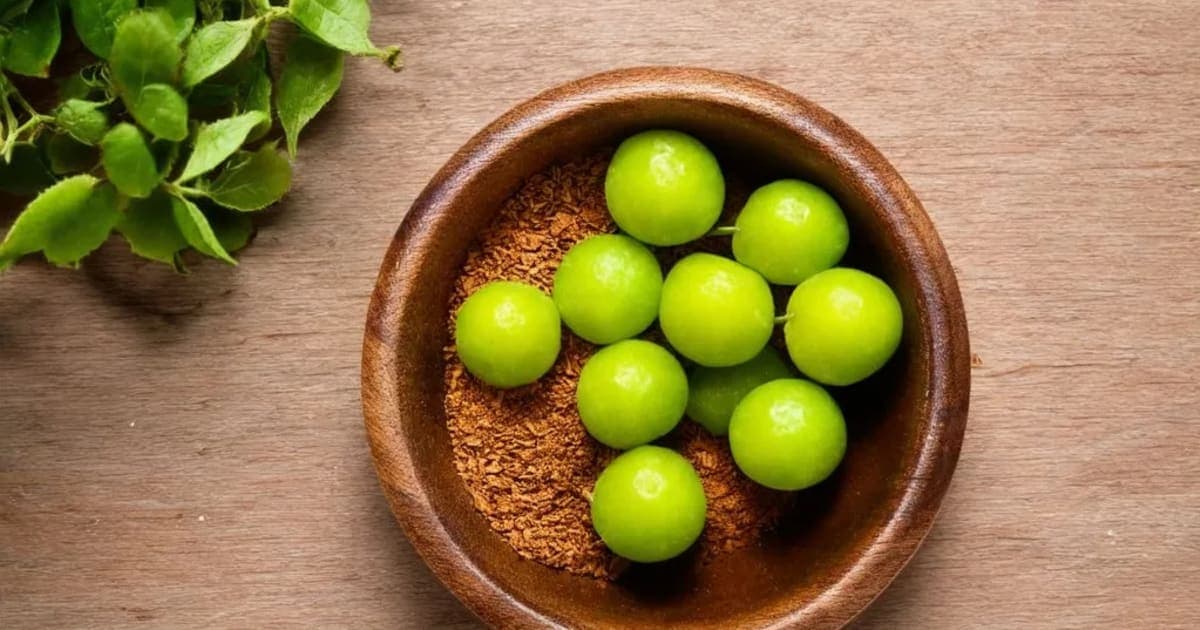
Amla (Emblica officinalis) is a sour, cooling fruit revered in Ayurveda as one of the most powerful rejuvenatives for the entire body. Unlike most sour fruits that aggravate heat, this greenish-yellow berry possesses a unique post-digestive sweetness that allows it to balance Vata, Pitta, and Kapha doshas simultaneously. You will often find grandmothers in India chewing fresh slices with a pinch of salt to cool the stomach, or drying the pulp to mix into hair oils for strength.
Classical texts like the Charaka Samhita place Amla at the top of the Medhya Rasayanas, herbs that sharpen intellect and prolong life. Its distinct taste profile—sour on the tongue but sweet after digestion—makes it a rare exception in herbal medicine, suitable for almost every constitution year-round.
What are the Ayurvedic properties of Amla?
The Ayurvedic properties of Amla define why it acts as a cooling tonic despite its sour taste. While the immediate flavor is sharp and acidic, its energy is cold (Sheeta) and its long-term effect on the tissues is sweet and nourishing. This specific combination allows it to clear excess heat from the blood while still grounding the nervous system.
| Property | Value | Meaning |
|---|---|---|
| Rasa (Taste) | Amla (Sour), with hints of sweet, salty, pungent, bitter | Stimulates digestion and cleanses tissues |
| Guna (Quality) | Laghu, Snigdha | Light to digest yet unctuous/oily for the tissues |
| Virya (Potency) | Sheeta | Cooling energy that reduces inflammation |
| Vipaka (Post-digestive) | Madhura | Sweet after-effect that builds tissue (Ojas) |
How does Amla affect the Doshas?
Amla is one of the few substances in the materia medica that pacifies all three doshas without aggravating any. It cools the fiery intensity of Pitta, moistens the dryness of Vata through its oily quality, and clears the heaviness of Kapha with its lightness and sourness. This makes it an ideal daily supplement for mixed-constitution types or families sharing a single herbal routine.
Because it balances rather than suppresses, you can use Amla during seasonal transitions when your body feels out of sync. Whether you are dealing with acid reflux (Pitta), joint stiffness (Vata), or sluggish metabolism (Kapha), the fruit's multifaceted action addresses the root cause without creating new imbalances.
What are the traditional therapeutic uses of Amla?
Traditionally, practitioners prescribe Amla as a Rasayana (rejuvenator) to rebuild tissues, improve eyesight, and strengthen the heart. The high concentration of natural Vitamin C, stabilized by tannins, protects the body from oxidative stress better than synthetic ascorbic acid. People often take the dried powder (Churna) mixed with warm water for digestion, or blend fresh juice with honey to support lung health during changing seasons.
Beyond internal use, Amla oil is a household staple for preventing premature graying and hair fall. The cooling nature of the herb soothes scalp inflammation, while its nourishing vipaka ensures the hair follicles receive deep hydration. It serves as both a preventative tonic for the elderly and a growth promoter for the young.
Are there precautions for using Amla?
While Amla is generally safe for daily use, its cooling potency can slow digestion in people who already feel excessively cold or have very weak Agni (digestive fire). If you tend to get chilled easily or suffer from chronic congestion, mix the powder with warming spices like ginger or black pepper to counterbalance the cold energy. Avoid taking large amounts of fresh juice on an empty stomach if you are prone to acidity, as the initial sour taste can trigger reflux in sensitive individuals.
Always start with a small dose, such as half a teaspoon of powder, to see how your body responds. As with any herbal regimen, consult an Ayurvedic practitioner if you are pregnant, nursing, or taking prescription medications, particularly blood thinners or diabetes medication, as Amla can enhance their effects.
Frequently Asked Questions
Can I eat Amla every day?
Yes, Amla is safe for daily consumption and is often recommended as a daily Rasayana for longevity. Most people consume it as dried powder, fresh juice, or preserved candy, adjusting the dose based on their digestive strength.
Does Amla help with hair growth?
Amla is widely used to prevent premature graying and hair fall due to its high antioxidant content and cooling effect on the scalp. Applying Amla oil or taking the powder internally strengthens hair roots and improves texture over time.
Is Amla good for acidity and GERD?
Although sour, Amla's cooling virya and sweet post-digestive effect often help heal the stomach lining and reduce excess acid. However, those with severe active ulcers should start with very small doses or consult a practitioner first.
Medical Disclaimer: This article is for educational purposes only. Consult a qualified healthcare provider before using any herb, especially if you have existing health conditions. Data sourced from Amidha Ayurveda Herb Database (CC BY 4.0).
Frequently Asked Questions
What is Amla used for in Ayurveda?
Amla is traditionally used as Rejuvenative (Rasayana), Eye Tonic, Cardiotonic. Amla (Emblica officinalis) is a potent source of Vitamin C. It rejuvenates tissues, improves digestion, eyesight, and balances all three doshas.
Which doshas does Amla balance?
Amla pacifies tridosha. It is one of the rare Tridosha herbs that balances all three doshas.
What is the Virya (potency) of Amla?
Amla has Cold (Cooling) potency (Sheeta), meaning it has a cooling effect on the body.
Related Articles
The Timeless Benefits of Triphala: An Ayurvedic Powerhouse
Discover the transformative benefits of Triphala, an ancient Ayurvedic blend of three fruits that supports digestion, immunity, weight management, and overall vitality.
5 min read
The Divine Benefits of Tulsi (Holy Basil) in Ayurveda
Discover the sacred benefits of Tulsi (Holy Basil) in Ayurveda. From boosting immunity and reducing stress to supporting heart health and digestion, learn how this divine herb can transform your well-being.
4 min read
The Remarkable Benefits of Giloy: An Ayurvedic Powerhouse
Discover the profound health benefits of Giloy, the Ayurvedic 'root of immortality.' Learn how this powerful herb boosts immunity, manages diabetes, improves digestion, and supports skin, hair, and bone health.
5 min read
The Remarkable Benefits of Ashwagandha: An Ayurvedic Perspective
Discover the ancient wisdom of Ashwagandha, a powerful Ayurvedic adaptogen known for reducing stress, boosting immunity, improving sleep, and enhancing physical strength.
4 min read
Brihatyadi Kashayam: Natural Relief for Urinary Tract Disorders and Cystitis
Brihatyadi Kashayam is a cooling Ayurvedic decoction that targets urinary burning and cystitis by balancing Vata and Pitta. Unlike standard teas, this concentrated liquid extract is specifically designed to reduce inflammation in the bladder lining while flushing out toxins.
5 min read
Asphota: Ayurvedic Brain Tonic, Calming Herb & Blood Purifier
Often overlooked, Asphota is a cooling, bitter herb that acts as a gentle brain tonic and blood purifier. While it shares traits with the popular Aparajita, its unique astringent quality makes it particularly effective for stopping bleeding and soothing inflamed tissues.
6 min read
References & Sources
This article is based on principles from classical Ayurvedic texts including Charaka Samhita, Sushruta Samhita, and Ashtanga Hridaya. Content has been reviewed for accuracy by our editorial team. For specific medical conditions, always consult a qualified Ayurvedic practitioner or healthcare provider.
- • Charaka Samhita (चरक संहिता)
- • Sushruta Samhita (सुश्रुत संहिता)
- • Ashtanga Hridaya (अष्टांग हृदय)
Found an error in this article? Let us know