
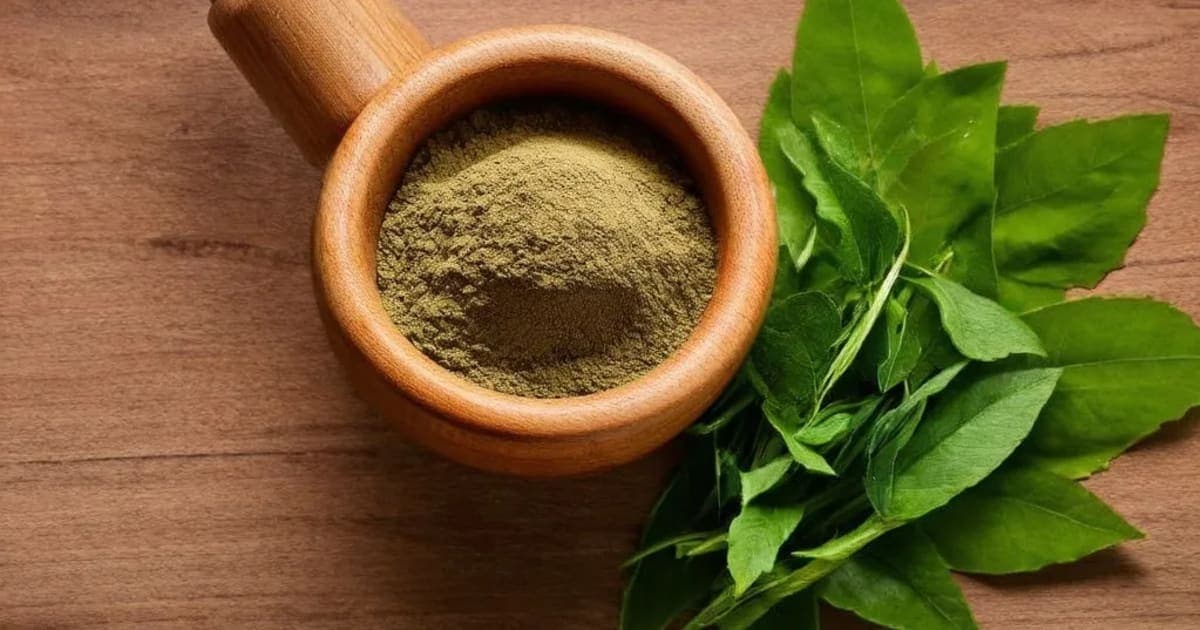
The Remarkable Benefits of Giloy: An Ayurvedic Powerhouse
Expert Reviewed
Reviewed by AyurvedicUpchar Editorial Team
Introduction
Giloy, scientifically known as Tinospora cordifolia, is a revered herb in the ancient wisdom of Ayurveda. Often referred to as "Amrita" or the "root of immortality," this climbing shrub is celebrated for its potent immunomodulatory and rejuvenating properties. For centuries, Ayurvedic practitioners have utilized Giloy to balance the body's doshas, specifically Pitta and Kapha, making it a cornerstone remedy for enhancing overall vitality and longevity. Its significance in traditional Indian medicine cannot be overstated, as it is believed to cleanse the blood and strengthen the body's natural defenses against disease.
History in Ayurveda
The historical roots of Giloy are deep, with its first mentions found in the sacred texts of the Charaka Samhita (Chapter 25) and the Sushruta Samhita. These ancient scriptures describe Giloy as a "Rasayana," a category of herbs used to promote longevity and youthfulness. Traditionally, it has been the primary remedy for managing fevers, including Malaria and Dengue, as well as chronic inflammatory conditions. Ayurvedic sages recognized its unique ability to pacify aggravated Pitta, making it effective for treating heat-related ailments and detoxifying the body.
Active Compounds
The therapeutic efficacy of Giloy is attributed to a rich profile of bioactive compounds. The herb is abundant in alkaloids such as berberine and giloin, which possess strong antimicrobial properties. It also contains glycosides, including tinospin and cordifolioside, which are known for their anti-inflammatory effects. Furthermore, the presence of flavonoids and antioxidants helps in scavenging free radicals, thereby protecting cells from oxidative stress and supporting cellular repair mechanisms.
Giloy Helps Reduce Fever
One of the most celebrated uses of Giloy is its ability to manage and reduce fever. Known as a "Jvaraghna" in Ayurveda, it effectively lowers body temperature by addressing the root cause of the fever, often linked to an imbalance of doshas or toxins. By boosting the immune system's response, it helps the body fight off viral and bacterial infections more efficiently, providing relief from persistent fevers.
Giloy Helps Control Diabetes
Giloy has shown promising results in managing blood sugar levels. The herb works by enhancing insulin sensitivity and promoting the regeneration of pancreatic beta cells. Regular consumption can help stabilize glucose levels, making it a valuable adjunct therapy for individuals with Type 2 diabetes. Its hypoglycemic properties assist in preventing the dangerous spikes in blood sugar that often follow meals.
Giloy Improves the Digestive System
A healthy digestive fire, or "Agni," is central to Ayurvedic health. Giloy acts as a digestive tonic, helping to alleviate issues like constipation, acidity, and bloating. It aids in the proper assimilation of nutrients and helps eliminate toxins (Ama) from the gastrointestinal tract. By balancing the digestive fire, it ensures that the body receives the nourishment it needs without the burden of undigested food.
Giloy Keeps Skin Healthy
For skin health, Giloy is a powerful blood purifier. Many skin conditions, such as eczema, psoriasis, and acne, are often linked to impurities in the blood. By detoxifying the blood, Giloy helps clear skin blemishes and reduces inflammation. Its anti-inflammatory and antimicrobial properties also aid in healing wounds and preventing skin infections, resulting in a clearer, more radiant complexion.
Giloy Keeps Hair Healthy
Giloy's nourishing properties extend to hair health as well. By improving blood circulation to the scalp and providing essential nutrients, it helps strengthen hair follicles. This can lead to reduced hair fall, prevention of premature graying, and the promotion of thicker, shinier hair. Its ability to reduce stress, a common cause of hair loss, further supports its role in maintaining a healthy scalp.
Giloy Strengthens Bones
In Ayurveda, Giloy is recognized for its ability to support the skeletal system. It helps in the absorption of calcium and other minerals necessary for bone density. By reducing inflammation in the joints, it provides relief from conditions like arthritis and osteoporosis. Regular use can help maintain bone strength and flexibility, ensuring mobility and reducing joint pain.
Giloy Keeps Eyes Healthy
The antioxidant content in Giloy is beneficial for eye health. It helps protect the eyes from oxidative damage and may aid in preventing age-related eye conditions. By improving blood flow to the eyes and reducing inflammation, Giloy can help maintain clear vision and reduce eye strain, making it a valuable herb for overall ocular wellness.
How to Use
Giloy is versatile and can be consumed in various forms, including powder, tablets, or as a decoction (Kadha). The recommended dosage is typically 1-2 grams of powder or 1-2 tablets daily. However, it is always advisable to consult with an Ayurvedic practitioner to determine the exact dosage suitable for your specific body type (Prakriti) and health condition.
| Form | Dosage | Frequency | Best For |
|---|---|---|---|
| Powder | 1-2 grams | Twice daily | Fever and Diabetes |
| Tablet | 1-2 tablets | Twice daily | Digestion and Skin |
| Decoction (Kadha) | 1-2 cups | Once daily | Bones and Eyes |
Preparation of Giloy Kadha: To prepare a decoction, boil 10-15 grams of fresh Giloy stems or 3-5 grams of dried powder in 2 cups of water. Simmer until the liquid reduces to half a cup. Strain and drink warm, preferably in the morning or evening.
Side Effects and Precautions
While Giloy is generally considered safe for most people, certain precautions must be taken. Pregnant and breastfeeding women should avoid using Giloy due to a lack of sufficient safety data. Individuals with autoimmune diseases should exercise caution, as Giloy boosts the immune system and may exacerbate conditions like lupus or rheumatoid arthritis. Furthermore, since Giloy can lower blood sugar and blood pressure, it may interact with medications for diabetes and hypertension. It is crucial to monitor levels closely and consult a doctor before combining Giloy with prescription drugs.
General Knowledge
Giloy remains one of the safest and most effective herbs in the Ayurvedic pharmacopeia. Its traditional use spans thousands of years, supported by modern scientific inquiry. A study published in the Journal of Ethnopharmacology in 2023 highlighted Giloy's significant potential in controlling diabetes through its mechanism of improving insulin sensitivity and reducing oxidative stress. As research continues to validate its ancient claims, Giloy stands as a testament to the enduring power of nature's pharmacy.
Frequently Asked Questions
What is Giloy used for in Ayurveda?
In Ayurveda, Giloy is primarily used as a Rasayana (rejuvenator) to boost immunity, reduce fever, manage diabetes, and detoxify the blood. It is also used to balance Pitta and Kapha doshas.
Can Giloy be taken daily?
Yes, Giloy can be taken daily in appropriate doses. However, it is best to consult an Ayurvedic practitioner to determine the right dosage and duration based on your specific health needs and body type.
Is Giloy safe for pregnant women?
No, pregnant and breastfeeding women are advised to avoid Giloy due to insufficient safety data and its potent medicinal properties that may affect the fetus or infant.
How does Giloy help with diabetes?
Giloy helps control diabetes by improving insulin sensitivity, stimulating insulin production from the pancreas, and reducing blood sugar levels. It also helps prevent complications associated with high blood sugar.
What are the side effects of Giloy?
While generally safe, Giloy may cause low blood sugar or interact with diabetes and blood pressure medications. It may also trigger autoimmune reactions in susceptible individuals. Consult a doctor before use if you have existing conditions.
Related Articles
The Timeless Benefits of Triphala: An Ayurvedic Powerhouse
Discover the transformative benefits of Triphala, an ancient Ayurvedic blend of three fruits that supports digestion, immunity, weight management, and overall vitality.
5 min read
The Divine Benefits of Tulsi (Holy Basil) in Ayurveda
Discover the sacred benefits of Tulsi (Holy Basil) in Ayurveda. From boosting immunity and reducing stress to supporting heart health and digestion, learn how this divine herb can transform your well-being.
4 min read
The Remarkable Benefits of Ashwagandha: An Ayurvedic Perspective
Discover the ancient wisdom of Ashwagandha, a powerful Ayurvedic adaptogen known for reducing stress, boosting immunity, improving sleep, and enhancing physical strength.
4 min read
Brihatyadi Kashayam: Natural Relief for Urinary Tract Disorders and Cystitis
Brihatyadi Kashayam is a cooling Ayurvedic decoction that targets urinary burning and cystitis by balancing Vata and Pitta. Unlike standard teas, this concentrated liquid extract is specifically designed to reduce inflammation in the bladder lining while flushing out toxins.
5 min read
Asphota: Ayurvedic Brain Tonic, Calming Herb & Blood Purifier
Often overlooked, Asphota is a cooling, bitter herb that acts as a gentle brain tonic and blood purifier. While it shares traits with the popular Aparajita, its unique astringent quality makes it particularly effective for stopping bleeding and soothing inflamed tissues.
6 min read
Aivana (Henbane): Ancient Pain Relief & Nervine Support in Purified Forms
Aivana (Henbane) is a toxic plant that becomes a powerful nervine sedative only after rigorous purification. Used in minute doses by Ayurvedic masters, it halts severe convulsions and nerve pain but remains dangerous in its raw form.
4 min read
References & Sources
This article is based on principles from classical Ayurvedic texts including Charaka Samhita, Sushruta Samhita, and Ashtanga Hridaya. Content has been reviewed for accuracy by our editorial team. For specific medical conditions, always consult a qualified Ayurvedic practitioner or healthcare provider.
- • Charaka Samhita (चरक संहिता)
- • Sushruta Samhita (सुश्रुत संहिता)
- • Ashtanga Hridaya (अष्टांग हृदय)
Found an error in this article? Let us know