
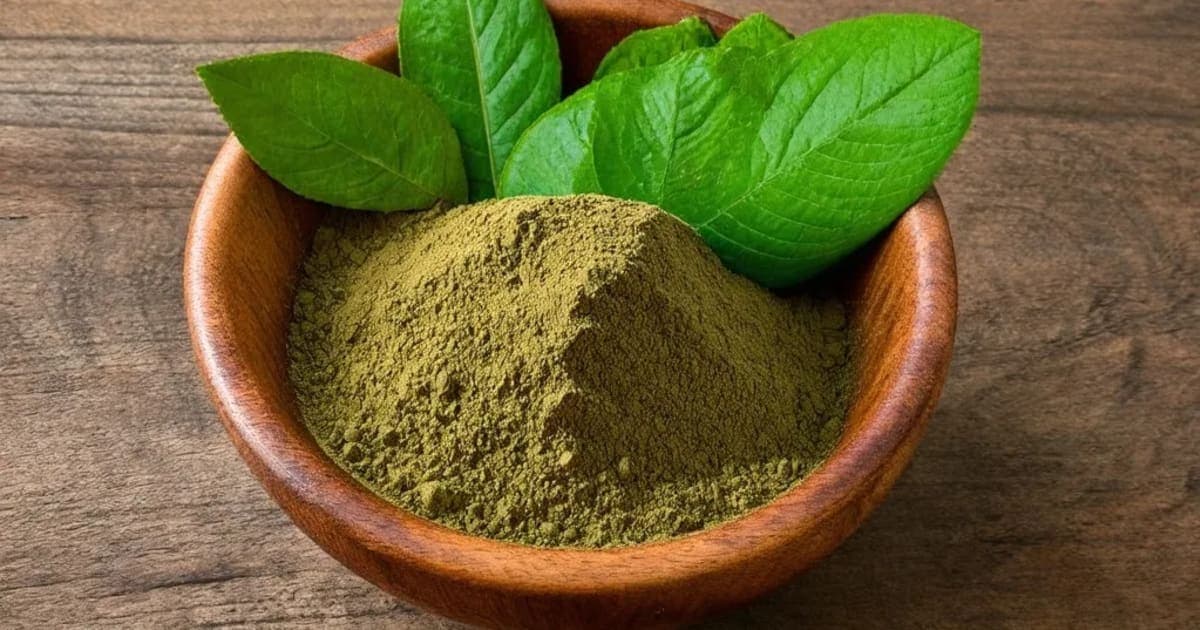
Mahatriphala Ghrita: Ayurvedic Eye Care, Vision Support & Dosha Balance
Expert Reviewed
Reviewed by AyurvedicUpchar Editorial Team
What is Mahatriphala Ghrita and how does it work?
Mahatriphala Ghrita is a specialized medicated ghee in Ayurveda, crafted by infusing clarified butter with a decoction of the three myrobalans and other herbs to treat eye diseases and sharpen vision. Unlike standard Triphala Ghee, this formulation is more potent, designed to penetrate deep into the delicate tissues of the eyes while cooling inflammation. The preparation process is meticulous: fresh ghee is slowly simmered with a water-based decoction of Triphala (Amalaki, Bibhitaki, Haritaki) and often other herbs like Turmeric or Neem, allowing the medicinal properties to bind with the fat. This creates a substance that is both nourishing and deeply cleansing for the optic nerves.
Classical texts like the Charaka Samhita, Chikitsa Sthana describe this ghrita as a primary remedy for Netra Roga (eye disorders), noting its ability to clear obstructions in the visual channels. When you taste it, the flavor is distinctively astringent and slightly sweet, leaving a cooling sensation on the tongue rather than the heat of spicy oils. This specific taste profile is not accidental; it signals the herb's ability to stop bleeding, dry up excess moisture in tissues, and simultaneously nourish the dry, degenerating cells of the eye.
"Mahatriphala Ghrita is a cooling, unctuous preparation that acts as a natural shield for the eyes, clearing heat and inflammation while delivering deep nourishment to the optic nerves."
How do the Ayurvedic properties of Mahatriphala Ghrita affect the body?
The therapeutic power of Mahatriphala Ghrita comes from its unique combination of Rasa (taste), Guna (quality), Virya (potency), and Vipaka (digestive effect), which together determine how it heals the body. It possesses a cooling energy that immediately soothes irritated tissues, making it ideal for conditions involving burning sensations or redness. Because it is unctuous (oily), it carries these healing properties deep into the fatty tissues of the eyes, where dry, hot conditions often cause damage. The following table outlines these critical pharmacological markers that practitioners use to prescribe it safely.
| Property (Sanskrit) | Value | What it means for your body |
|---|---|---|
| Rasa (Taste) | Kashaya, Madhura | Astringent taste dries excess fluid and heals wounds; Sweet taste builds tissue and calms the mind. |
| Guna (Quality) | Snigdha | Unctuous and oily, allowing the medicine to penetrate deep into tissues and lubricate dry channels. |
| Virya (Potency) | Sheeta | Cooling potency that reduces inflammation, burning sensations, and excess heat in the eyes. |
| Vipaka (Post-digestive effect) | Madhura | After digestion, it leaves a sweet, nourishing effect that strengthens tissues over time. |
| Prabhava (Special action) | Netra Roga Nashaka | Specific action to destroy eye diseases and improve visual acuity beyond its basic taste effects. |
Which doshas does Mahatriphala Ghrita balance or aggravate?
Mahatriphala Ghrita primarily pacifies Vata and Pitta doshas, making it the go-to remedy for conditions caused by dryness, heat, or erratic movement in the body. By soothing the fiery nature of Pitta, it reduces redness and burning in the eyes, while its oily, heavy quality grounds the scattered, dry energy of Vata that often leads to blurred vision or nerve fatigue. However, because it is heavy and sweet, individuals with a dominant Kapha constitution must use it with caution. Excessive intake can increase Kapha, potentially leading to water retention, heavy eyelids, or sluggish digestion.
You might find this herb helpful if you experience symptoms like dry, gritty eyes that feel better with cool compresses, burning sensations after screen time, or blurred vision accompanied by anxiety and restlessness. These are classic signs of aggravated Vata and Pitta. In contrast, if your eyes feel constantly watery, heavy, or you suffer from chronic sinus congestion, your Kapha may already be high, and this herb might need to be balanced with other lighter herbs before use.
How do people traditionally use Mahatriphala Ghrita for eye health?
Traditional usage of Mahatriphala Ghrita varies between internal consumption and external application, depending on the specific condition being treated. For internal use, a common practice is to take half a teaspoon of the ghrita mixed with warm milk or water in the morning on an empty stomach; this method allows the medicine to travel through the digestive tract and reach the eyes via the blood channels. For external use, the ghrita is often used in Anjana (collyrium) or Netra Tarpana (eye bath) therapies, where a ring of dough is placed around the eyes and filled with the warm medicated ghee to soak the eyeballs directly.
A grandmother in a rural Ayurvedic village might also apply a tiny amount of this ghrita as a night cream on the eyelids to prevent dryness and fine lines, a practice that leverages its Snigdha (oily) quality to lock in moisture. It is crucial to ensure the ghrita is of high quality and free from rancidity, as spoiled ghee can irritate the eyes rather than heal them. Always consult a qualified Ayurvedic practitioner to determine the correct dosage and method for your specific constitution.
Frequently Asked Questions
Can Mahatriphala Ghrita cure cataracts?
Mahatriphala Ghrita is traditionally used to slow the progression of cataracts and improve overall eye clarity, but it is not a guaranteed cure for advanced cases. It works best in the early stages to reduce inflammation and nourish the lens, often as part of a broader treatment plan under professional guidance.
Is Mahatriphala Ghrita safe for daily use?
Yes, it is generally safe for daily use in small doses (half a teaspoon) for Vata and Pitta types, but it should be avoided or used sparingly by those with high Kapha or slow digestion. Long-term use without a break may lead to heaviness or mucus accumulation in susceptible individuals.
What is the difference between Triphala Ghee and Mahatriphala Ghrita?
Mahatriphala Ghrita is a more potent, complex formulation than simple Triphala Ghee, often including additional herbs specifically targeted for eye disorders and inflammation. While both use the three myrobalans, Mahatriphala Ghrita is prepared with a specific decoction and longer cooking process to enhance its therapeutic depth for serious eye conditions.
How should I store Mahatriphala Ghrita?
Store Mahatriphala Ghrita in a cool, dark place in an airtight glass container to prevent oxidation and rancidity. Because it is a fat-based medicine, exposure to heat or light can degrade its medicinal properties and alter its cooling potency.
Frequently Asked Questions
What is Mahatriphala Ghrita used for in Ayurveda?
Mahatriphala Ghrita is primarily used as a Eye Tonic and Rejuvenative (Rasayana) in Ayurvedic medicine. A potent version of Triphala Ghee, excellent for treating a wide range of eye diseases and improving vision. It pacifies Vata, Pitta dosha.
How should I take Mahatriphala Ghrita?
Mahatriphala Ghrita can be taken as powder (1/2-1 tsp with warm water or milk), decoction (boil 1 tsp in water), or tablets (1-2 daily). Always start with a low dose and consult an Ayurvedic practitioner for personalized guidance.
Is Mahatriphala Ghrita safe during pregnancy?
Pregnant and nursing women should not take Mahatriphala Ghrita without consulting their doctor first. Most Ayurvedic herbs require medical supervision during pregnancy.
Which dosha does Mahatriphala Ghrita balance?
Mahatriphala Ghrita pacifies Vata, Pitta. Excessive use may increase Kapha dosha.
Can I take Mahatriphala Ghrita daily?
Mahatriphala Ghrita can be taken daily in recommended doses for 4-8 weeks. After that, take a 2-week break before resuming. Long-term use should be supervised by a qualified Ayurvedic practitioner.
What are the side effects of Mahatriphala Ghrita?
When taken in recommended doses, Mahatriphala Ghrita is generally safe. Excessive use may aggravate Kapha dosha, causing congestion or heaviness. Stop use if you experience any adverse reaction.
Related Articles
The Timeless Benefits of Triphala: An Ayurvedic Powerhouse
Discover the transformative benefits of Triphala, an ancient Ayurvedic blend of three fruits that supports digestion, immunity, weight management, and overall vitality.
5 min read
The Divine Benefits of Tulsi (Holy Basil) in Ayurveda
Discover the sacred benefits of Tulsi (Holy Basil) in Ayurveda. From boosting immunity and reducing stress to supporting heart health and digestion, learn how this divine herb can transform your well-being.
4 min read
The Remarkable Benefits of Giloy: An Ayurvedic Powerhouse
Discover the profound health benefits of Giloy, the Ayurvedic 'root of immortality.' Learn how this powerful herb boosts immunity, manages diabetes, improves digestion, and supports skin, hair, and bone health.
5 min read
The Remarkable Benefits of Ashwagandha: An Ayurvedic Perspective
Discover the ancient wisdom of Ashwagandha, a powerful Ayurvedic adaptogen known for reducing stress, boosting immunity, improving sleep, and enhancing physical strength.
4 min read
Brihatyadi Kashayam: Natural Relief for Urinary Tract Disorders and Cystitis
Brihatyadi Kashayam is a cooling Ayurvedic decoction that targets urinary burning and cystitis by balancing Vata and Pitta. Unlike standard teas, this concentrated liquid extract is specifically designed to reduce inflammation in the bladder lining while flushing out toxins.
5 min read
Asphota: Ayurvedic Brain Tonic, Calming Herb & Blood Purifier
Often overlooked, Asphota is a cooling, bitter herb that acts as a gentle brain tonic and blood purifier. While it shares traits with the popular Aparajita, its unique astringent quality makes it particularly effective for stopping bleeding and soothing inflamed tissues.
6 min read
References & Sources
This article is based on principles from classical Ayurvedic texts including Charaka Samhita, Sushruta Samhita, and Ashtanga Hridaya. Content has been reviewed for accuracy by our editorial team. For specific medical conditions, always consult a qualified Ayurvedic practitioner or healthcare provider.
- • Charaka Samhita (चरक संहिता)
- • Sushruta Samhita (सुश्रुत संहिता)
- • Ashtanga Hridaya (अष्टांग हृदय)
Found an error in this article? Let us know