
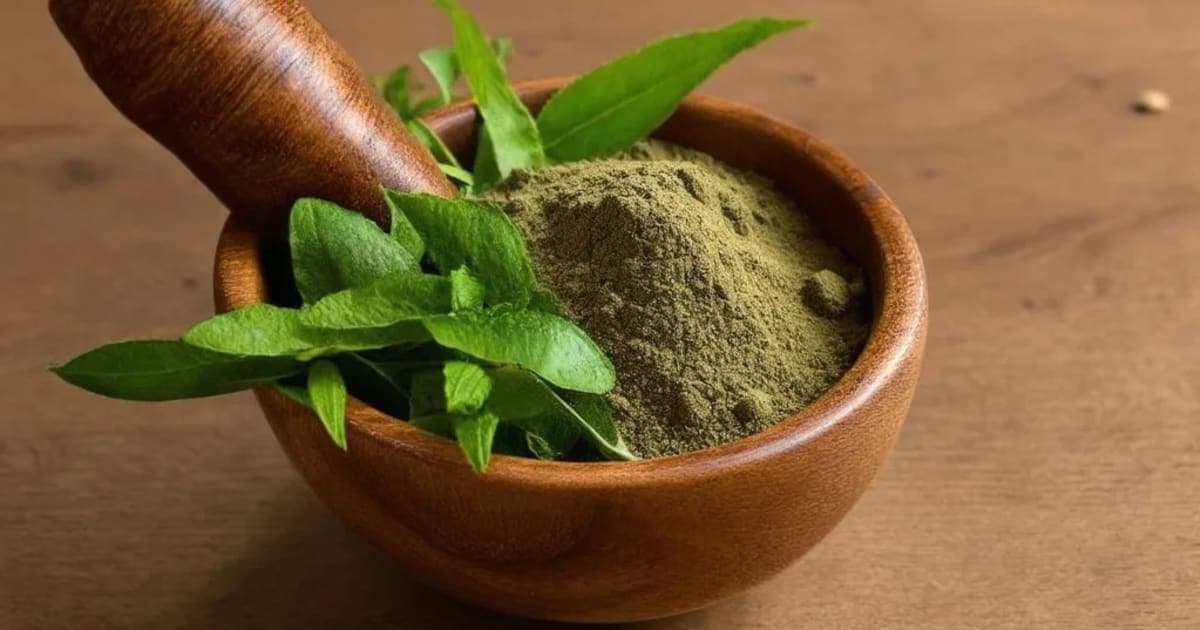
Ghrita: Benefits, Uses & Ayurvedic Properties for Vata and Pitta
Expert Reviewed
Reviewed by AyurvedicUpchar Editorial Team
What is Ghrita?
Ghrita, known commonly as ghee or clarified butter, is a premier rejuvenative herb in Ayurveda used to pacify Vata and Pitta doshas while enhancing memory and digestion. Unlike regular cooking oil, this golden substance carries the medicinal properties of herbs deep into the tissues, acting as a vehicle (Yogavahi) for healing. While often found in the kitchen, classical texts like the Charaka Samhita classify Ghrita as a distinct medicinal Dravya essential for longevity and mental clarity.
You can recognize high-quality Ghrita by its rich, nutty aroma and its ability to melt instantly upon touching warm skin. In traditional practice, it is rarely eaten plain; instead, a teaspoon is often stirred into warm milk with ashwagandha for sleep or mixed with honey to soothe a dry, hacking cough. The taste is distinctly sweet (Madhura), which signals its power to build tissue and calm an agitated mind.
What are the Ayurvedic properties of Ghrita?
The Ayurvedic properties of Ghrita define it as a cooling, heavy, and unctuous substance that nourishes the body and calms inflammation. These five fundamental characteristics determine exactly how Ghrita interacts with your physiology, from digestion to tissue repair. Understanding this profile helps explain why it acts as a powerful antidote to heat and dryness.
| Property (Sanskrit) | Value | What it means for your body |
|---|---|---|
| Rasa (Taste) | Madhura (Sweet) | Nourishing and building; calms the mind and promotes tissue growth. |
| Guna (Quality) | Snigdha (Oily), Guru (Heavy) | Penetrates deep into tissues; slows down rapid metabolism and dryness. |
| Virya (Potency) | Sheeta (Cooling) | Reduces excess heat, soothes burning sensations, and cools inflammation. |
| Vipaka (Post-digestive) | Madhura (Sweet) | Leaves a nourishing, grounding effect on the body long after digestion. |
Which doshas does Ghrita balance?
Ghrita primarily pacifies Vata and Pitta doshas, making it the ideal remedy for conditions driven by dryness, anxiety, or excessive internal heat. Because of its oily and cooling nature, it directly counteracts the rough, light, and mobile qualities of Vata as well as the sharp, hot nature of Pitta. However, those with a Kapha constitution should use it sparingly to avoid increasing heaviness or congestion.
If you suffer from chronic constipation, dry cracked skin, joint stiffness, or racing thoughts that keep you awake at night, your Vata is likely elevated. Ghrita works by lubricating the nervous system and the colon, much like oiling a dry hinge. Conversely, if you experience acid reflux, skin rashes, or irritability, the cooling potency of Ghrita helps douse that internal fire without suppressing your digestive strength.
Caution is necessary for individuals prone to sluggish digestion or respiratory congestion. Since Ghrita is heavy and unctuous, overuse in Kapha types can lead to weight gain, excessive mucus production, or a feeling of lethargy. A good rule of thumb used by grandmothers in India is to observe your tongue in the morning; if it feels thick and coated, reduce your intake until clarity returns.
What are the primary health benefits of Ghrita?
The primary health benefits of Ghrita include improving memory, lubricating joints, soothing the digestive tract, and acting as a carrier for other herbs. Its unique molecular structure allows it to cross the blood-brain barrier, delivering nutrients directly to the brain cells. This makes it a cornerstone treatment for neurological health and cognitive decline in Ayurvedic medicine.
Beyond the brain, Ghrita is exceptional for healing the gut lining. When taken warm on an empty stomach, it coats the mucous membranes of the stomach and intestines, providing relief from ulcers and hyperacidity. It also serves as an excellent base for external application; applying warm Ghrita to dry, eczema-prone skin or massaging it into stiff knees provides immediate relief from pain and dryness.
Frequently Asked Questions
Can I take Ghrita if I have high cholesterol?
While Ghrita is a saturated fat, Ayurvedic tradition suggests it behaves differently in the body when consumed in moderation (1-2 teaspoons daily) as part of a balanced diet. However, if you have diagnosed lipid disorders, consult your healthcare provider before adding medicinal ghee to your routine.
What is the best time of day to eat Ghrita?
The best time to consume Ghrita is early morning on an empty stomach to maximize absorption and lubrication of the digestive tract. It can also be taken at night in warm milk to promote deep sleep and calm Vata-related insomnia.
How is Ghrita different from regular butter?
Ghrita is clarified butter that has had the milk solids and water removed, giving it a higher smoke point and longer shelf life. This process makes it lactose-free and allows it to penetrate tissues more deeply than regular butter.
Disclaimer: This content is for informational purposes only and does not constitute medical advice. Always consult with a qualified Ayurvedic practitioner or healthcare provider before starting any new herbal regimen, especially if you are pregnant, nursing, or taking medication.
Content licensed under CC BY 4.0. Classical references derived from Charaka Samhita and Bhavaprakash Nighantu.
Frequently Asked Questions
What is Ghrita used for in Ayurveda?
Ghrita is primarily used as a Rejuvenative (Rasayana) and Brain Tonic in Ayurvedic medicine. Ghee (clarified butter) is a premier rejuvenative, pacifying Vata and Pitta, enhancing memory and digestion. It pacifies Vata, Pitta dosha.
How should I take Ghrita?
Ghrita can be taken as powder (1/2-1 tsp with warm water or milk), decoction (boil 1 tsp in water), or tablets (1-2 daily). Always start with a low dose and consult an Ayurvedic practitioner for personalized guidance.
Is Ghrita safe during pregnancy?
Pregnant and nursing women should not take Ghrita without consulting their doctor first. Most Ayurvedic herbs require medical supervision during pregnancy.
Which dosha does Ghrita balance?
Ghrita pacifies Vata, Pitta. Excessive use may increase Kapha dosha.
Can I take Ghrita daily?
Ghrita can be taken daily in recommended doses for 4-8 weeks. After that, take a 2-week break before resuming. Long-term use should be supervised by a qualified Ayurvedic practitioner.
What are the side effects of Ghrita?
When taken in recommended doses, Ghrita is generally safe. Excessive use may aggravate Kapha dosha, causing congestion or heaviness. Stop use if you experience any adverse reaction.
Related Articles
The Timeless Benefits of Triphala: An Ayurvedic Powerhouse
Discover the transformative benefits of Triphala, an ancient Ayurvedic blend of three fruits that supports digestion, immunity, weight management, and overall vitality.
5 min read
The Divine Benefits of Tulsi (Holy Basil) in Ayurveda
Discover the sacred benefits of Tulsi (Holy Basil) in Ayurveda. From boosting immunity and reducing stress to supporting heart health and digestion, learn how this divine herb can transform your well-being.
4 min read
The Remarkable Benefits of Giloy: An Ayurvedic Powerhouse
Discover the profound health benefits of Giloy, the Ayurvedic 'root of immortality.' Learn how this powerful herb boosts immunity, manages diabetes, improves digestion, and supports skin, hair, and bone health.
5 min read
The Remarkable Benefits of Ashwagandha: An Ayurvedic Perspective
Discover the ancient wisdom of Ashwagandha, a powerful Ayurvedic adaptogen known for reducing stress, boosting immunity, improving sleep, and enhancing physical strength.
4 min read
Brihatyadi Kashayam: Natural Relief for Urinary Tract Disorders and Cystitis
Brihatyadi Kashayam is a cooling Ayurvedic decoction that targets urinary burning and cystitis by balancing Vata and Pitta. Unlike standard teas, this concentrated liquid extract is specifically designed to reduce inflammation in the bladder lining while flushing out toxins.
5 min read
Asphota: Ayurvedic Brain Tonic, Calming Herb & Blood Purifier
Often overlooked, Asphota is a cooling, bitter herb that acts as a gentle brain tonic and blood purifier. While it shares traits with the popular Aparajita, its unique astringent quality makes it particularly effective for stopping bleeding and soothing inflamed tissues.
6 min read
References & Sources
This article is based on principles from classical Ayurvedic texts including Charaka Samhita, Sushruta Samhita, and Ashtanga Hridaya. Content has been reviewed for accuracy by our editorial team. For specific medical conditions, always consult a qualified Ayurvedic practitioner or healthcare provider.
- • Charaka Samhita (चरक संहिता)
- • Sushruta Samhita (सुश्रुत संहिता)
- • Ashtanga Hridaya (अष्टांग हृदय)
Found an error in this article? Let us know