
Lakuca: Traditional Uses for Digestion and Liver Health in Ayurveda
Expert Reviewed
Reviewed by AyurvedicUpchar Editorial Team
What is Lakuca and how is it used in Ayurveda?
Lakuca, the fruit of the Artocarpus lakoocha tree, is a warming, sour-tasting Ayurvedic herb traditionally used to stimulate digestion and support liver function. Unlike the sweet jackfruit found in markets, Lakuca has a distinct sour and astringent profile that makes it a powerful tool for clearing excess heat and mucus from the body.
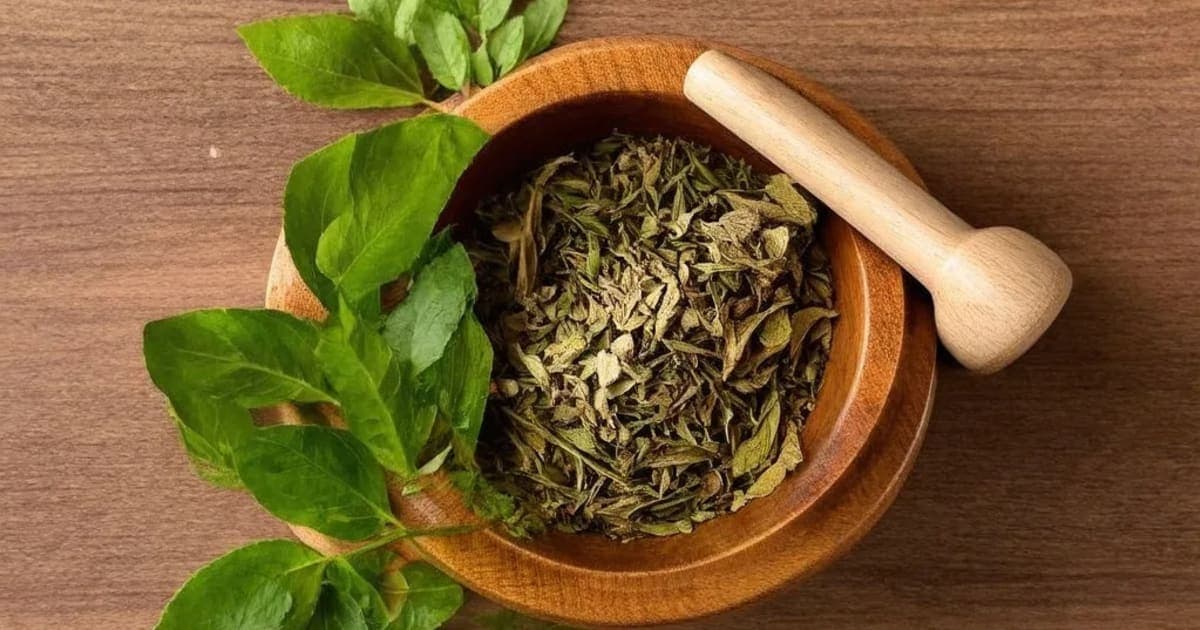
When you encounter fresh Lakuca in a forest or village market, it often looks like a rough, greenish-yellow jackfruit, but the flesh inside is firmer and significantly more tart. In classical practice, it is rarely eaten raw as a snack. Instead, a grandmother might boil the unripe fruit with spices to make a stew, or dry the rind to grind into a powder for a digestive tonic. This specific preparation method ensures the sour taste (Amla Rasa) triggers the salivary glands and gastric juices, preparing the stomach for a heavy meal.
"Lakuca is a warming herb with sour and astringent properties that primarily pacifies Kapha and Pitta doshas while stimulating digestive fire." This definition captures its core action: it clears the stagnation of Kapha and cools the inflammation of Pitta, provided it is used in moderation.
The Charaka Samhita references this herb, noting its ability to correct imbalances in the digestive tract and the blood. Modern users often seek it out when they feel heavy, sluggish, or experience the burning sensations of acid reflux, as the herb's astringent nature helps tighten and heal the mucous membranes of the gut.
How do the Ayurvedic properties of Lakuca affect the body?
The therapeutic effects of Lakuca are determined by five specific properties that govern how it moves through your system, from the moment you taste it to how your body processes it later. Understanding these helps you know exactly when to use this herb and when to avoid it.
| Property (Sanskrit) | Value | What it means for your body |
|---|---|---|
| Rasa (Taste) | Amla, Kashaya | The sour taste stimulates appetite and digestion, while the astringent taste dries excess moisture and heals tissues. |
| Guna (Quality) | Guru | Heavy quality means it takes time to digest, providing sustained nourishment but requiring strong digestion to process. |
| Virya (Potency) | Ushna | Heating energy that ignites digestive fire (Agni), improves circulation, and helps break down accumulated toxins. |
| Vipaka (Post-digestive effect) | Amla | After digestion, the sour effect remains, which can further stimulate stomach acid if taken in excess. |
| Dosha Effect | Pacifies Kapha, Pitta | Best for clearing mucus and cooling inflammation; use caution if you have a Vata imbalance. |
The heavy quality (Guru) of Lakuca is a double-edged sword. While it provides a grounding effect, it can be difficult for someone with weak digestion to break down. This is why traditional recipes often pair it with ginger, black pepper, or long pepper (Pippali) to counteract the heaviness and ensure the heating potency (Ushna Virya) reaches the tissues effectively.
Who should use Lakuca and who should avoid it?
Lakuca is most beneficial for individuals with elevated Kapha or Pitta doshas who need to clear mucus, reduce inflammation, or improve appetite. It is particularly effective for those suffering from heartburn, skin rashes, or a feeling of heaviness after meals, as its sour and astringent tastes directly counteract these symptoms.
However, people with a dominant Vata constitution or those experiencing dryness, anxiety, or severe constipation should use Lakuca with extreme caution. Because the herb is heating and drying, it can aggravate Vata if taken in large quantities or over a long period. A classic sign of Vata aggravation from this herb includes bloating, gas, or a feeling of nervousness in the stomach.
"While Lakuca cools Pitta and clears Kapha, its heating and drying nature can increase Vata if consumed without balancing oils or spices." This distinction is crucial for safe usage. If you are using Lakuca, always listen to your body; if you feel dry skin or increased irritability, stop immediately and switch to a more moisturizing herb like Shatavari or Ghee.
How is Lakuca prepared for daily use?
In traditional kitchens, Lakuca is prepared by boiling the fruit with turmeric and mustard seeds to create a savory curry that aids digestion, or the rind is dried and ground into a powder to mix with warm milk. The powder is often taken in doses of 1 to 3 grams, usually after a meal, to help neutralize excess stomach acid and support liver health.
For external use, a paste made from the fresh fruit and water can be applied to inflamed skin or acne, leveraging the astringent property to reduce redness and swelling. This dual approach—internal for digestion and external for skin—makes it a versatile herb in the Ayurvedic home pharmacy.
Common questions about Lakuca usage
Can Lakuca cure acidity and heartburn?
Lakuca helps manage acidity by balancing Pitta dosha and healing the stomach lining with its astringent properties, but it should be taken in small doses to avoid aggravating acid production due to its sour post-digestive effect.
Is Lakuca safe for pregnant women?
Pregnant women should avoid Lakuca or use it only under strict guidance, as its heating potency and astringent nature may disturb the delicate balance required during pregnancy, potentially causing dryness or cramping.
How does Lakuca differ from regular jackfruit?
While both come from the Artocarpus genus, Lakuca is significantly more sour and astringent with a heating potency, whereas common jackfruit is sweet and cooling, making them unsuitable substitutes for each other in medicinal formulations.
Does Lakuca help with liver health?
Yes, Ayurvedic texts describe Lakuca as a liver tonic that helps clear toxins and improve bile flow, primarily due to its ability to stimulate digestive fire and balance Pitta, which governs the liver.
Frequently Asked Questions
What is Lakuca used for in Ayurveda?
Lakuca is primarily used as a Appetite Stimulant and Yakrituttejaka in Ayurvedic medicine. Artocarpus lakoocha is an astringent fruit used to improve digestion and act as a liver tonic. It pacifies Kapha, Pitta dosha.
How should I take Lakuca?
Lakuca can be taken as powder (1/2-1 tsp with warm water or milk), decoction (boil 1 tsp in water), or tablets (1-2 daily). Always start with a low dose and consult an Ayurvedic practitioner for personalized guidance.
Is Lakuca safe during pregnancy?
Pregnant and nursing women should not take Lakuca without consulting their doctor first. Most Ayurvedic herbs require medical supervision during pregnancy.
Which dosha does Lakuca balance?
Lakuca pacifies Kapha, Pitta. Excessive use may increase Vata dosha.
Can I take Lakuca daily?
Lakuca can be taken daily in recommended doses for 4-8 weeks. After that, take a 2-week break before resuming. Long-term use should be supervised by a qualified Ayurvedic practitioner.
What are the side effects of Lakuca?
When taken in recommended doses, Lakuca is generally safe. Excessive use may aggravate Vata dosha, causing gas or bloating. Stop use if you experience any adverse reaction.
Related Articles
The Timeless Benefits of Triphala: An Ayurvedic Powerhouse
Discover the transformative benefits of Triphala, an ancient Ayurvedic blend of three fruits that supports digestion, immunity, weight management, and overall vitality.
5 min read
The Divine Benefits of Tulsi (Holy Basil) in Ayurveda
Discover the sacred benefits of Tulsi (Holy Basil) in Ayurveda. From boosting immunity and reducing stress to supporting heart health and digestion, learn how this divine herb can transform your well-being.
4 min read
The Remarkable Benefits of Giloy: An Ayurvedic Powerhouse
Discover the profound health benefits of Giloy, the Ayurvedic 'root of immortality.' Learn how this powerful herb boosts immunity, manages diabetes, improves digestion, and supports skin, hair, and bone health.
5 min read
The Remarkable Benefits of Ashwagandha: An Ayurvedic Perspective
Discover the ancient wisdom of Ashwagandha, a powerful Ayurvedic adaptogen known for reducing stress, boosting immunity, improving sleep, and enhancing physical strength.
4 min read
Brihatyadi Kashayam: Natural Relief for Urinary Tract Disorders and Cystitis
Brihatyadi Kashayam is a cooling Ayurvedic decoction that targets urinary burning and cystitis by balancing Vata and Pitta. Unlike standard teas, this concentrated liquid extract is specifically designed to reduce inflammation in the bladder lining while flushing out toxins.
5 min read
Asphota: Ayurvedic Brain Tonic, Calming Herb & Blood Purifier
Often overlooked, Asphota is a cooling, bitter herb that acts as a gentle brain tonic and blood purifier. While it shares traits with the popular Aparajita, its unique astringent quality makes it particularly effective for stopping bleeding and soothing inflamed tissues.
6 min read
References & Sources
This article is based on principles from classical Ayurvedic texts including Charaka Samhita, Sushruta Samhita, and Ashtanga Hridaya. Content has been reviewed for accuracy by our editorial team. For specific medical conditions, always consult a qualified Ayurvedic practitioner or healthcare provider.
- • Charaka Samhita (चरक संहिता)
- • Sushruta Samhita (सुश्रुत संहिता)
- • Ashtanga Hridaya (अष्टांग हृदय)
Found an error in this article? Let us know