
Pippali: Digestive Power, Respiratory Relief & Ayurvedic Uses
Expert Reviewed
Reviewed by AyurvedicUpchar Editorial Team
What is Pippali and why is it called Long Pepper?
Pippali, known globally as Long Pepper, is a pungent, warming herb used in Ayurveda primarily to ignite digestive fire (Agni) and clear respiratory congestion. Unlike its cousin black pepper, Pippali (Piper longum) possesses a unique sweet post-digestive effect that allows it to nourish tissues while stimulating metabolism. You will often find this dried fruit spike as the star ingredient in Trikatu, a classic formula designed to cut through bodily stagnation.
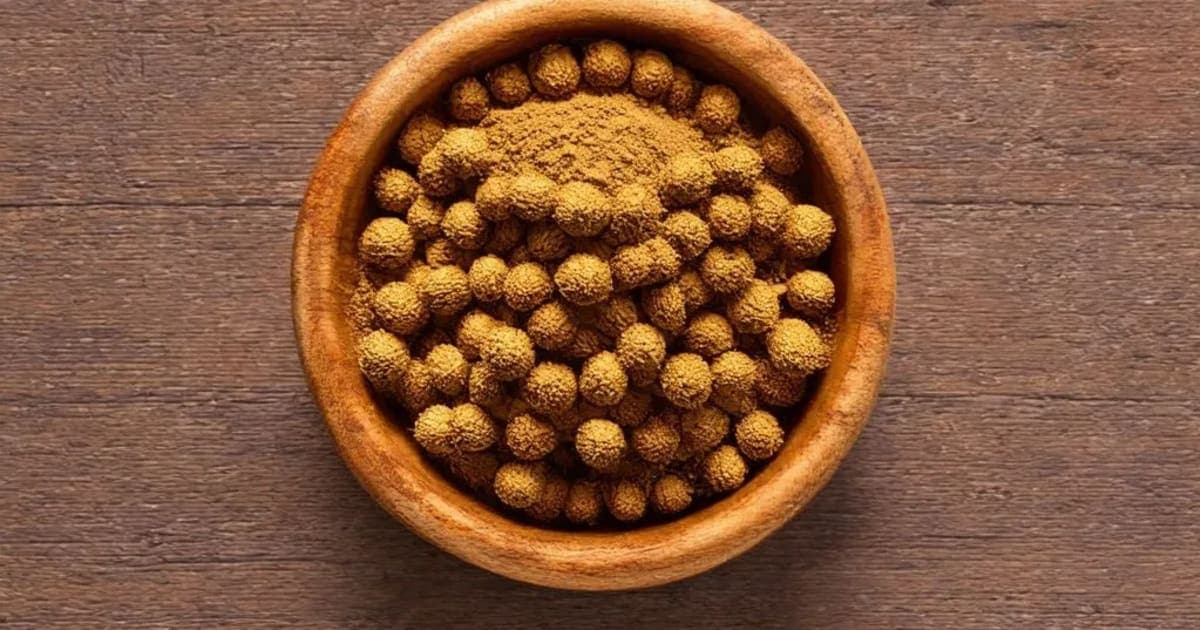
The herb looks distinct: small, dark brown, cylindrical spikes that feel rough to the touch and release a sharp, musky aroma when crushed. When chewed, the initial taste is fiery and intense, but unlike chili or black pepper, it leaves a lingering sweetness in the throat. This specific flavor profile signals its dual action of clearing blockages while ultimately soothing the system. Classical texts like the Charaka Samhita (Sutra Sthana) revere Pippali as a Rasayana (rejuvenative) for the lungs and stomach, noting its ability to penetrate deep into micro-channels (Srotas) where other herbs cannot reach.
What are the Ayurvedic properties of Pippali?
The Ayurvedic classification of Pippali reveals why it acts differently than typical heating spices. While it carries a hot potency that burns away toxins (Ama), its sweet post-digestive effect prevents it from drying out the body excessively. This makes it a rare herb that can stimulate without depleting, provided it is used correctly. The following table details the specific pharmacological qualities that drive its therapeutic actions:
| Property (Sanskrit) | Value | What it means for your body |
|---|---|---|
| Rasa (Taste) | Katu (Pungent) | Stimulates metabolism, clears channels, and reduces Kapha stagnation immediately upon ingestion. |
| Guna (Quality) | Laghu, Snigdha, Tikshna | Light yet unctuous (oily) and sharp; this combination allows deep tissue penetration without causing dryness. |
| Virya (Potency) | Ushna (Hot) | Generates internal heat to improve circulation, enhance digestive fire (Agni), and liquefy mucus. |
| Vipaka (Post-digestive) | Madhura (Sweet) | Unlike most pungent herbs, Pippali nourishes tissues and builds strength after digestion is complete. |
A key distinction to remember is that Pippali is one of the few pungent herbs with a sweet Vipaka. This means that while it starts by heating and clearing, its long-term effect is building and restorative, making it suitable for long-term rejuvenation protocols under guidance.
Which doshas does Pippali balance?
Pippali primarily pacifies Vata and Kapha doshas while having the potential to aggravate Pitta if used in excess. Its hot and sharp qualities effectively dissolve the cold, heavy stagnation of Kapha and the dry, erratic movement of Vata. However, because of its heating nature, individuals with a dominant Pitta constitution or active inflammatory conditions should approach this herb with caution.
If you suffer from cold hands, sluggish digestion, bloating after meals, or that heavy feeling in the chest associated with mucus, Pippali is likely a good match for your constitution. Conversely, if you are prone to acid reflux, skin rashes, or feeling overheated, this herb might intensify those symptoms. The goal is to use just enough to kindle the fire without burning the house down.
How do people actually use Pippali at home?
Traditional usage often involves mixing fine Pippali powder with warm milk and a teaspoon of ghee or honey. This specific combination—powder in a fatty, warm liquid—helps carry the herb's sharp qualities deep into the tissues while the ghee buffers the stomach lining. For respiratory issues, a common grandmother's remedy is to chew a small piece of the dried fruit slowly to release its oils directly onto the throat lining. Another popular method is Pippali Kshara, an alkaline preparation used for specific gastrointestinal disorders, though this requires professional preparation.
What are the primary health benefits of Pippali?
Pippali is most renowned for its ability to treat chronic respiratory conditions like asthma and bronchitis while simultaneously correcting poor digestion and malabsorption. By clearing the Srotas (channels), it ensures that nutrients from food and other herbs are actually absorbed rather than passing through unused. This dual action makes it a cornerstone in treatments for weak digestion (Mandagni) and respiratory congestion.
Beyond digestion and breathing, Pippali acts as a catalyst (Yogavahi) in herbal formulas, directing the energy of other herbs to specific parts of the body. It is frequently prescribed for those recovering from illness who need to regain weight and strength, thanks to its unique ability to build tissue (Brimhana) despite its pungent taste. Regular, guided use can transform a sluggish metabolic state into one of vibrant energy and clarity.
Frequently Asked Questions
Is Pippali better than black pepper for digestion?
Pippali is often considered superior for deep-seated digestive issues because it combines strong stimulant properties with a nourishing, sweet after-effect. While black pepper clears mucus effectively, it can be drying; Pippali clears mucus while simultaneously building tissue strength.
Can I take Pippali daily for weight gain?
Yes, Pippali is traditionally used to support healthy weight gain in underweight individuals by improving nutrient absorption and metabolism. However, it must be taken with an appropriate carrier like milk and ghee, and dosage should be monitored to avoid overheating the body.
Who should avoid taking Long Pepper?
People with high Pitta dosha, active ulcers, severe acid reflux, or inflammatory skin conditions should avoid Pippali or use it only under strict supervision. Its heating potency can worsen these conditions if the body is already overheated or inflamed.
How does Pippali help with asthma?
Pippali helps asthma by liquefying thick mucus in the lungs and relaxing the bronchial passages through its hot and sharp qualities. Its ability to penetrate deep into the respiratory channels makes it effective for clearing the root cause of congestion rather than just suppressing symptoms.
Frequently Asked Questions
What is Pippali used for in Ayurveda?
Pippali is primarily used as a Rejuvenative (Rasayana) and Appetite Stimulant in Ayurvedic medicine. Long pepper is a powerful stimulant for the digestive and respiratory systems. It is a key ingredient in the Trikatu formula. It pacifies Vata, Kapha dosha.
How should I take Pippali?
Pippali can be taken as powder (1/2-1 tsp with warm water or milk), decoction (boil 1 tsp in water), or tablets (1-2 daily). Always start with a low dose and consult an Ayurvedic practitioner for personalized guidance.
Is Pippali safe during pregnancy?
Pregnant and nursing women should not take Pippali without consulting their doctor first. Most Ayurvedic herbs require medical supervision during pregnancy.
Which dosha does Pippali balance?
Pippali pacifies Vata, Kapha. Excessive use may increase Pitta dosha.
Can I take Pippali daily?
Pippali can be taken daily in recommended doses for 4-8 weeks. After that, take a 2-week break before resuming. Long-term use should be supervised by a qualified Ayurvedic practitioner.
What are the side effects of Pippali?
When taken in recommended doses, Pippali is generally safe. Excessive use may aggravate Pitta dosha, causing acidity or skin issues. Stop use if you experience any adverse reaction.
Related Articles
The Timeless Benefits of Triphala: An Ayurvedic Powerhouse
Discover the transformative benefits of Triphala, an ancient Ayurvedic blend of three fruits that supports digestion, immunity, weight management, and overall vitality.
5 min read
The Divine Benefits of Tulsi (Holy Basil) in Ayurveda
Discover the sacred benefits of Tulsi (Holy Basil) in Ayurveda. From boosting immunity and reducing stress to supporting heart health and digestion, learn how this divine herb can transform your well-being.
4 min read
The Remarkable Benefits of Giloy: An Ayurvedic Powerhouse
Discover the profound health benefits of Giloy, the Ayurvedic 'root of immortality.' Learn how this powerful herb boosts immunity, manages diabetes, improves digestion, and supports skin, hair, and bone health.
5 min read
The Remarkable Benefits of Ashwagandha: An Ayurvedic Perspective
Discover the ancient wisdom of Ashwagandha, a powerful Ayurvedic adaptogen known for reducing stress, boosting immunity, improving sleep, and enhancing physical strength.
4 min read
Brihatyadi Kashayam: Natural Relief for Urinary Tract Disorders and Cystitis
Brihatyadi Kashayam is a cooling Ayurvedic decoction that targets urinary burning and cystitis by balancing Vata and Pitta. Unlike standard teas, this concentrated liquid extract is specifically designed to reduce inflammation in the bladder lining while flushing out toxins.
5 min read
Asphota: Ayurvedic Brain Tonic, Calming Herb & Blood Purifier
Often overlooked, Asphota is a cooling, bitter herb that acts as a gentle brain tonic and blood purifier. While it shares traits with the popular Aparajita, its unique astringent quality makes it particularly effective for stopping bleeding and soothing inflamed tissues.
6 min read
References & Sources
This article is based on principles from classical Ayurvedic texts including Charaka Samhita, Sushruta Samhita, and Ashtanga Hridaya. Content has been reviewed for accuracy by our editorial team. For specific medical conditions, always consult a qualified Ayurvedic practitioner or healthcare provider.
- • Charaka Samhita (चरक संहिता)
- • Sushruta Samhita (सुश्रुत संहिता)
- • Ashtanga Hridaya (अष्टांग हृदय)
Found an error in this article? Let us know