
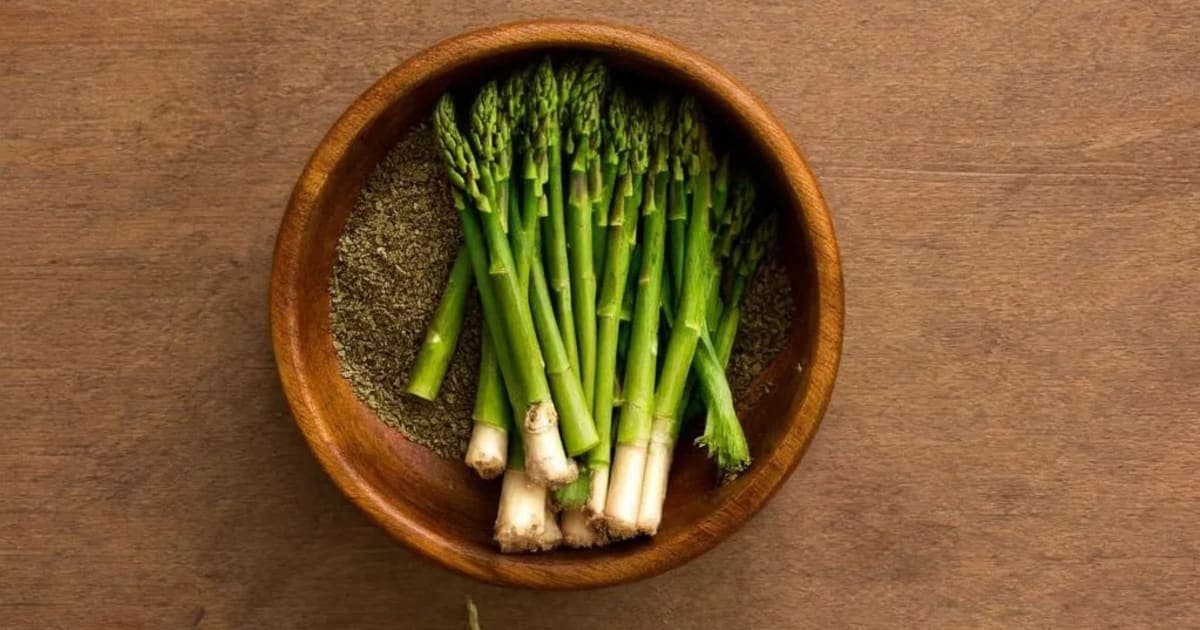
Shatavari: The Queen of Herbs for Female Vitality and Balance
Expert Reviewed
Reviewed by AyurvedicUpchar Editorial Team
What is Shatavari and Why is it Called the 'Queen of Herbs'?
Shatavari (Asparagus racemosus) is a cooling, sweet-tasting root revered in Ayurveda as the premier tonic for female reproductive health and hormonal balance. Unlike synthetic supplements that force change, this herb works by nourishing the body's tissues deeply, much like milk nourishes a growing child. Its name literally translates to "she who possesses a hundred husbands," a poetic nod to its legendary capacity to support vitality and fertility in women. While modern labels often reduce it to a "women's health" pill, traditional practitioners know it as a universal rejuvenator that calms the nervous system and restores moisture to dry, overheated bodies.
You will often find Shatavari described in classical texts like the Charaka Samhita as a Rasayana, or supreme rejuvenative, specifically for the Strotas (channels) of the reproductive system. A key fact to remember is that while it supports fertility, its primary mechanism is building Ojas (vital essence) rather than directly stimulating hormones. This distinction makes it gentle enough for long-term use, provided your digestion can handle its heavy, nourishing nature.
What Are the Ayurvedic Properties of Shatavari?
Understanding Shatavari requires looking at its specific energetic signature, which is defined by sweetness, heaviness, and a distinct cooling potency. In Ayurvedic pharmacology (Dravyaguna), these qualities determine how the herb interacts with your unique constitution. Because it is heavy and oily, it settles the erratic movement of Vata and cools the heat of Pitta, but these same traits can slow down a sluggish, Kapha-dominant metabolism if taken without care. The table below details the specific properties that drive its therapeutic effects.
| Property | Sanskrit Term | Value & Meaning |
|---|---|---|
| Rasa (Taste) | Madhura, Tikta | Sweet (nourishing) with a slight bitter undertone (cleansing) |
| Guna (Quality) | Guru, Snigdha | Heavy (grounding) and Oily/Unctuous (moisturizing) |
| Virya (Potency) | Sheeta | Cooling (reduces heat and inflammation) |
| Vipaka (Post-digestive) | Madhura | Sweet (builds tissue and promotes weight gain) |
| Prabhava (Special Effect) | Stanyashodhana | Purifies and promotes breast milk production |
How Does Shatavari Affect the Doshas?
Shatavari acts as a powerful pacifier for both Vata and Pitta doshas due to its heavy, oily, and cooling nature. For someone with high Vata, characterized by anxiety, dry skin, and irregular cycles, Shatavari provides the grounding and lubrication needed to feel stable. Similarly, for those with aggravated Pitta, manifesting as irritability, hot flashes, or acid reflux, the herb's cooling potency acts like a soothing balm. However, because it is so nourishing and wet, it can aggravate Kapha dosha, leading to feelings of lethargy, excess mucus, or slow digestion if the dose is too high or the person is already congested.
In practical terms, if you have a Kapha constitution, you might still benefit from Shatavari during specific life stages like pregnancy or menopause, but it should be taken with warming spices like ginger or black pepper to counteract its heaviness. This balancing act is why self-prescribing often fails; the herb is potent, but its application must match your current state of health, not just your birth constitution.
What Are the Traditional Therapeutic Uses?
Beyond general wellness, Shatavari is traditionally prescribed for specific conditions involving dryness, heat, or depletion in the reproductive and digestive systems. Its most famous application is as a Galactagogue, meaning it actively promotes the secretion and flow of breast milk in nursing mothers, a use validated by both folklore and modern phytochemistry. It is also a go-to remedy for menopausal symptoms like vaginal dryness and hot flashes, where it restores moisture and reduces the burning sensations associated with declining estrogen.
Practitioners also utilize Shatavari for men, particularly for conditions involving low sperm count or sexual debility caused by stress and heat. The root is often prepared as a warm milk decoction, sometimes sweetened with raw sugar or ghee, to maximize its absorption and tissue-building effects. You might also encounter it in powdered form mixed into almond paste or taken as a simple tea, though the fresh root juice is considered the most potent form for acute dehydration or bleeding disorders.
Who Should Avoid Shatavari or Use Caution?
While generally safe, Shatavari is not suitable for everyone, particularly those suffering from water retention, severe congestion, or slow digestion. Because the herb is heavy and moist, it can worsen symptoms of high Kapha, such as sinus congestion, edema, or a feeling of heaviness after meals. If you have a history of estrogen-sensitive conditions, you must consult a healthcare provider before use, as the herb contains phytoestrogens that mimic the body's natural hormones.
It is also important to source your Shatavari carefully; the market is rife with adulterated powders that lack the potent saponins responsible for its benefits. Look for roots that are plump and white inside, or powders that smell faintly sweet and earthy, not musty. Always start with a small dose, perhaps a quarter teaspoon in warm milk, to ensure your stomach tolerates its richness before moving to a full therapeutic dose.
Frequently Asked Questions
Can men take Shatavari or is it only for women?
Men can and do take Shatavari, especially to treat low sperm count, sexual debility, or burning sensations in the urinary tract. While it is famous as a female tonic, its cooling and rejuvenating properties benefit any gender suffering from Vata or Pitta imbalance.
Does Shatavari cause weight gain?
Shatavari can lead to healthy weight gain in underweight individuals because its sweet taste and heavy quality build muscle and fat tissue. However, for those with a Kapha constitution or sedentary lifestyle, excessive use without exercise may result in unwanted weight gain.
What is the best time of day to take Shatavari?
The ideal time to take Shatavari is in the morning on an empty stomach or before bed, usually mixed with warm milk or ghee. This timing allows the heavy, nourishing qualities to be absorbed slowly without interfering with daily digestion.
Is Shatavari safe during pregnancy?
Shatavari is traditionally used to support a healthy pregnancy and prevent miscarriage, but it should only be taken under the direct supervision of an Ayurvedic practitioner. Dosage and formulation must be tailored to the individual's stage of pregnancy and constitutional needs.
Medical Disclaimer: This article is for educational purposes only and does not constitute medical advice. Consult a qualified healthcare provider or Ayurvedic practitioner before using any herb, especially if you are pregnant, nursing, or taking prescribed medication. Data sourced from Amidha Ayurveda Herb Database (CC BY 4.0).
Frequently Asked Questions
What is Shatavari used for in Ayurveda?
Shatavari is traditionally used as Stanyashodhana, Sperm Promoting, Rejuvenative (Rasayana). Shatavari (Asparagus racemosus) supports female reproductive health, boosts vitality, and is a top Ayurvedic rejuvenator for Pitta and Vata.
Which doshas does Shatavari balance?
Shatavari pacifies Vata, Pitta.
What is the Virya (potency) of Shatavari?
Shatavari has Cold (Cooling) potency (Sheeta), meaning it has a cooling effect on the body.
Related Articles
The Timeless Benefits of Triphala: An Ayurvedic Powerhouse
Discover the transformative benefits of Triphala, an ancient Ayurvedic blend of three fruits that supports digestion, immunity, weight management, and overall vitality.
5 min read
The Divine Benefits of Tulsi (Holy Basil) in Ayurveda
Discover the sacred benefits of Tulsi (Holy Basil) in Ayurveda. From boosting immunity and reducing stress to supporting heart health and digestion, learn how this divine herb can transform your well-being.
4 min read
The Remarkable Benefits of Giloy: An Ayurvedic Powerhouse
Discover the profound health benefits of Giloy, the Ayurvedic 'root of immortality.' Learn how this powerful herb boosts immunity, manages diabetes, improves digestion, and supports skin, hair, and bone health.
5 min read
The Remarkable Benefits of Ashwagandha: An Ayurvedic Perspective
Discover the ancient wisdom of Ashwagandha, a powerful Ayurvedic adaptogen known for reducing stress, boosting immunity, improving sleep, and enhancing physical strength.
4 min read
Brihatyadi Kashayam: Natural Relief for Urinary Tract Disorders and Cystitis
Brihatyadi Kashayam is a cooling Ayurvedic decoction that targets urinary burning and cystitis by balancing Vata and Pitta. Unlike standard teas, this concentrated liquid extract is specifically designed to reduce inflammation in the bladder lining while flushing out toxins.
5 min read
Asphota: Ayurvedic Brain Tonic, Calming Herb & Blood Purifier
Often overlooked, Asphota is a cooling, bitter herb that acts as a gentle brain tonic and blood purifier. While it shares traits with the popular Aparajita, its unique astringent quality makes it particularly effective for stopping bleeding and soothing inflamed tissues.
6 min read
References & Sources
This article is based on principles from classical Ayurvedic texts including Charaka Samhita, Sushruta Samhita, and Ashtanga Hridaya. Content has been reviewed for accuracy by our editorial team. For specific medical conditions, always consult a qualified Ayurvedic practitioner or healthcare provider.
- • Charaka Samhita (चरक संहिता)
- • Sushruta Samhita (सुश्रुत संहिता)
- • Ashtanga Hridaya (अष्टांग हृदय)
Found an error in this article? Let us know