
Changeri Ghrita: Ayurvedic Remedy for Digestive Health, IBS, and Prolapse
Expert Reviewed
Reviewed by AyurvedicUpchar Editorial Team
What is Changeri Ghrita and how does it work?
Changeri Ghrita is a specialized Ayurvedic medicine made by infusing the sour herb Changeri (Oxalis corniculata) into clarified butter to treat digestive disorders like IBS, bloating, and intestinal prolapse. In traditional practice, the sour taste of the herb is not just a flavor; it is a potent therapeutic tool that stimulates Agni (digestive fire) while the ghee acts as a carrier to deliver these properties deep into the tissues.
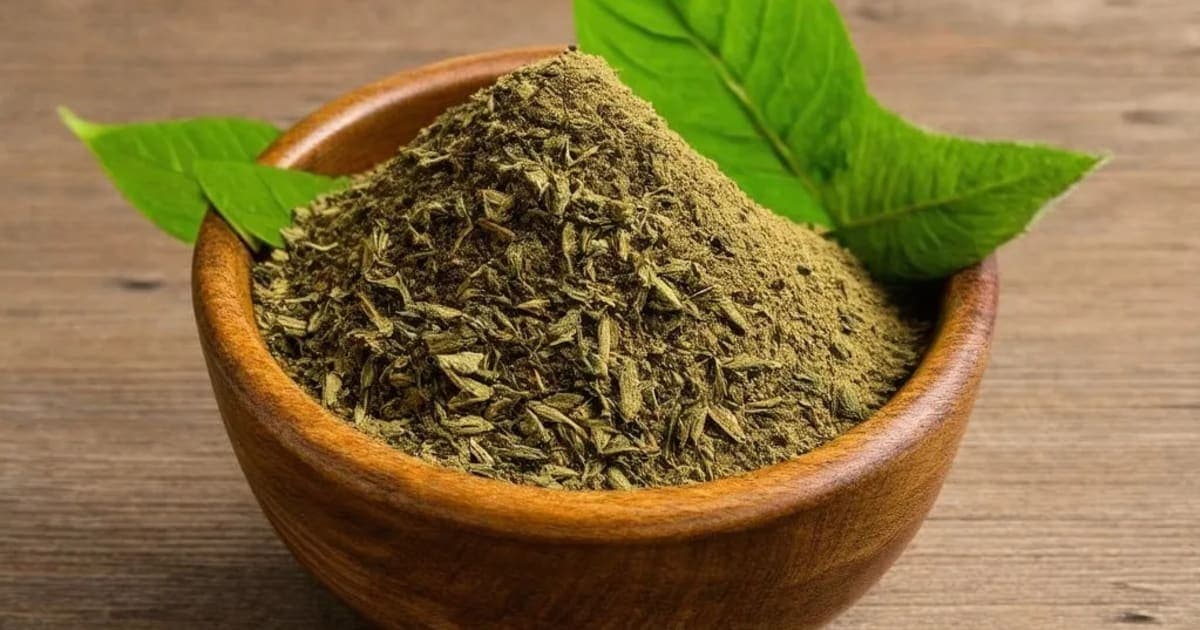
When a practitioner prepares this remedy, they often start with fresh Changeri leaves, which have a distinct sour, slightly metallic taste and a texture similar to clover. These are simmered slowly in ghee until the water evaporates, leaving a rich, aromatic fat. This process transforms the herb's sharp, drying nature into a nourishing, penetrating therapy. As noted in the Bhavaprakash Nighantu, this specific combination allows the herb to heal the mucosal lining of the gut without causing the irritation that raw sour herbs might trigger.
Quotable Fact: Changeri Ghrita is unique because it combines the sour, healing properties of Oxalis corniculata with the deep-penetrating carrier power of ghee, making it one of the few Ayurvedic formulations specifically designed to treat intestinal prolapse and severe Vata-type constipation.
What are the Ayurvedic properties of Changeri Ghrita?
The therapeutic action of Changeri Ghrita is defined by five core properties: it tastes sour and astringent, feels light yet oily, has a heating potency, and leaves a sour post-digestive effect. These specific qualities determine how the medicine moves through the body, stimulating appetite while simultaneously drying excess moisture and healing tissues.
| Property (Sanskrit) | Value | What it means for your body |
|---|---|---|
| Rasa (Taste) | Amla (Sour), Kashaya (Astringent) | Sour taste ignites digestion and increases appetite; Astringent taste dries excess fluids, heals wounds, and stops bleeding. |
| Guna (Quality) | Laghu (Light), Snigdha (Unctuous) | Lightness ensures easy digestion, while the oily quality allows the medicine to lubricate dry tissues and penetrate deep layers. |
| Virya (Potency) | Ushna (Heating) | The heating energy stimulates metabolism, improves circulation, and kindles the digestive fire (Agni) to process food efficiently. |
| Vipaka (Post-digestive effect) | Amla (Sour) | After digestion, the sour effect remains, helping to maintain acidity levels in the stomach and support long-term tissue repair. |
Which doshas does Changeri Ghrita balance or aggravate?
Changeri Ghrita primarily balances Vata and Kapha doshas, making it ideal for conditions involving dryness, stagnation, or downward movement of energy. However, because of its sour taste and heating potency, it can aggravate Pitta if used in excess or by those with a naturally fiery constitution.
For someone with elevated Vata, symptoms like anxiety, dry skin, cracking joints, and erratic bowel movements are common. The oily, heating nature of this ghee soothes the nervous system and lubricates the intestines, helping to stop the "racing" quality of Vata. Similarly, for Kapha imbalances characterized by sluggish digestion and heavy bloating, the light and heating qualities of the herb help clear the stagnation. Conversely, a person with high Pitta might experience heartburn, skin rashes, or excessive body heat if they take this remedy without moderation.
Quotable Fact: While the raw herb Changeri is drying and heating, the preparation of Changeri Ghrita transforms it into a nourishing therapy that lubricates dry Vata tissues without creating the stagnation typical of heavy fats.
How is Changeri Ghrita traditionally used and prepared?
In a traditional household, Changeri Ghrita is often taken in small doses, usually a teaspoon mixed with warm milk or water, specifically after meals to aid digestion or at bedtime to soothe the gut lining. The preparation is distinct because it targets the lower abdomen; practitioners often recommend applying a warm compress with this ghee over the stomach area for prolapse or chronic constipation to enhance its local effect.
When used for IBS, a grandmother might suggest taking a half-teaspoon of this ghee with warm water before breakfast to "oil" the colon, reducing the cramping and gas associated with Vata imbalance. The sour taste can be strong, so it is often paired with a pinch of rock salt or a few drops of honey to balance the flavor while maintaining the therapeutic intent. It is crucial to use fresh, high-quality ghee for this preparation, as rancid fat will negate the healing properties and may cause digestive upset.
Frequently Asked Questions about Changeri Ghrita
Can Changeri Ghrita help with intestinal prolapse?
Yes, Changeri Ghrita is traditionally used in Ayurveda to support the treatment of intestinal prolapse. Its astringent properties help tighten tissues, while the nourishing ghee strengthens the muscles and ligaments in the abdominal region, often recommended alongside specific yoga postures and dietary changes.
Is Changeri Ghrita safe for people with high Pitta?
People with a high Pitta constitution should use Changeri Ghrita with caution. Because the herb has a sour taste and heating potency, it can increase body heat and acidity, potentially causing skin rashes or heartburn if taken in large amounts without balancing it with cooling herbs like coriander or fennel.
What are the main symptoms that indicate a need for Changeri Ghrita?
You might benefit from Changeri Ghrita if you experience chronic constipation with dry, hard stools, excessive bloating after meals, or a feeling of heaviness in the lower abdomen. It is also indicated for those with Vata-type anxiety that manifests as physical tension in the gut.
How is Changeri Ghrita different from regular ghee?
Regular ghee is a base for nutrition, while Changeri Ghrita is a medicine where the specific alkaloids and acids from the Changeri herb are extracted into the fat. This infusion gives it a sour taste and specific actions on the digestive tract that plain ghee does not possess.
Medical Disclaimer: The information provided here is for educational purposes only and is based on classical Ayurvedic texts. Changeri Ghrita is a potent medicinal preparation. Do not self-medicate for serious conditions like prolapse or chronic IBS without consulting a qualified Ayurvedic practitioner. Pregnant women and individuals with active ulcers or severe acid reflux should avoid this remedy unless directed by a doctor.
Source attribution: This article references principles found in the Charaka Samhita and Bhavaprakash Nighantu regarding the use of sour herbs in ghee formulations for digestive disorders.
Frequently Asked Questions
What is Changeri Ghrita used for in Ayurveda?
Changeri Ghrita is primarily used as a Absorbent and Appetite Stimulant in Ayurvedic medicine. Medicated ghee of Changeri is a specific remedy for digestive disorders like IBS, bloating, and prolapse. It pacifies Vata, Kapha dosha.
How should I take Changeri Ghrita?
Changeri Ghrita can be taken as powder (1/2-1 tsp with warm water or milk), decoction (boil 1 tsp in water), or tablets (1-2 daily). Always start with a low dose and consult an Ayurvedic practitioner for personalized guidance.
Is Changeri Ghrita safe during pregnancy?
Pregnant and nursing women should not take Changeri Ghrita without consulting their doctor first. Most Ayurvedic herbs require medical supervision during pregnancy.
Which dosha does Changeri Ghrita balance?
Changeri Ghrita pacifies Vata, Kapha. Excessive use may increase Pitta dosha.
Can I take Changeri Ghrita daily?
Changeri Ghrita can be taken daily in recommended doses for 4-8 weeks. After that, take a 2-week break before resuming. Long-term use should be supervised by a qualified Ayurvedic practitioner.
What are the side effects of Changeri Ghrita?
When taken in recommended doses, Changeri Ghrita is generally safe. Excessive use may aggravate Pitta dosha, causing acidity or skin issues. Stop use if you experience any adverse reaction.
Related Articles
The Timeless Benefits of Triphala: An Ayurvedic Powerhouse
Discover the transformative benefits of Triphala, an ancient Ayurvedic blend of three fruits that supports digestion, immunity, weight management, and overall vitality.
5 min read
The Divine Benefits of Tulsi (Holy Basil) in Ayurveda
Discover the sacred benefits of Tulsi (Holy Basil) in Ayurveda. From boosting immunity and reducing stress to supporting heart health and digestion, learn how this divine herb can transform your well-being.
4 min read
The Remarkable Benefits of Giloy: An Ayurvedic Powerhouse
Discover the profound health benefits of Giloy, the Ayurvedic 'root of immortality.' Learn how this powerful herb boosts immunity, manages diabetes, improves digestion, and supports skin, hair, and bone health.
5 min read
The Remarkable Benefits of Ashwagandha: An Ayurvedic Perspective
Discover the ancient wisdom of Ashwagandha, a powerful Ayurvedic adaptogen known for reducing stress, boosting immunity, improving sleep, and enhancing physical strength.
4 min read
Brihatyadi Kashayam: Natural Relief for Urinary Tract Disorders and Cystitis
Brihatyadi Kashayam is a cooling Ayurvedic decoction that targets urinary burning and cystitis by balancing Vata and Pitta. Unlike standard teas, this concentrated liquid extract is specifically designed to reduce inflammation in the bladder lining while flushing out toxins.
5 min read
Asphota: Ayurvedic Brain Tonic, Calming Herb & Blood Purifier
Often overlooked, Asphota is a cooling, bitter herb that acts as a gentle brain tonic and blood purifier. While it shares traits with the popular Aparajita, its unique astringent quality makes it particularly effective for stopping bleeding and soothing inflamed tissues.
6 min read
References & Sources
This article is based on principles from classical Ayurvedic texts including Charaka Samhita, Sushruta Samhita, and Ashtanga Hridaya. Content has been reviewed for accuracy by our editorial team. For specific medical conditions, always consult a qualified Ayurvedic practitioner or healthcare provider.
- • Charaka Samhita (चरक संहिता)
- • Sushruta Samhita (सुश्रुत संहिता)
- • Ashtanga Hridaya (अष्टांग हृदय)
Found an error in this article? Let us know