
Changeri: Digestive Benefits, Uses & Ayurvedic Properties
Expert Reviewed
Reviewed by AyurvedicUpchar Editorial Team
What is Changeri?
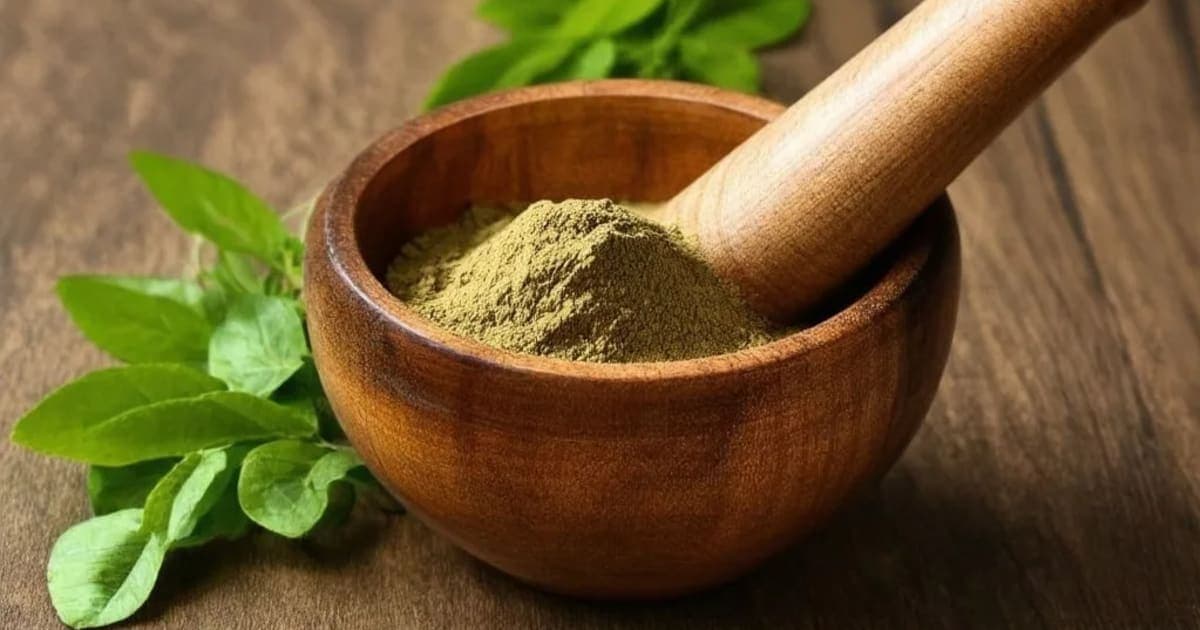
Changeri, known botanically as Oxalis corniculata and commonly as Indian Sorrel, is a sour-tasting herb used in Ayurveda to ignite digestive fire and clear metabolic blockages. You likely know it as the small, heart-shaped leafy weed with bright yellow flowers that grows in garden beds; when you chew a fresh stem, that sharp, tangy burst is the plant's medicine at work. This distinct sourness (Amla Rasa) is not just a flavor but a pharmacological signal that stimulates saliva, wakes up the stomach lining, and prepares the gut for food.
Classical texts like the Bhavaprakash Nighantu describe Changeri as a light, dry, and heating substance that effectively cuts through heavy mucus and stagnant digestion. While it soothes the erratic movement of Vata and the heaviness of Kapha, its heating nature means it must be used with care by those who already run hot or suffer from acid reflux. Grandmothers in rural India often add a handful of fresh leaves to lentil stews (dal) not just for taste, but to ensure the heavy beans do not cause bloating or gas.
What are the Ayurvedic properties of Changeri?
The Ayurvedic profile of Changeri defines exactly how this herb interacts with your tissues, explaining why it works so well for sluggish digestion but might aggravate sensitive stomachs if overused. In Dravyaguna Shastra, the science of medicinal substances, every herb is mapped by five key parameters that predict its behavior once inside the body. Changeri is characterized by its sour taste, light and dry qualities, and a heating potency that drives its therapeutic action.
| Property (Sanskrit) | Value | What it means for your body |
|---|---|---|
| Rasa (Taste) | Amla (Sour) | Triggers immediate salivation and gastric juice secretion to kickstart digestion. |
| Guna (Quality) | Laghu (Light), Ruksha (Dry) | Helps the herb absorb quickly and dries up excess moisture or mucus in the gut. |
| Virya (Potency) | Ushna (Heating) | Increases internal heat, improves circulation, and burns off metabolic waste (Ama). |
| Vipaka (Post-digestive) | Amla (Sour) | Leaves a lingering sour effect that continues to stimulate metabolism after digestion. |
This specific combination of lightness and heat makes Changeri an excellent counterbalance for foods that are heavy, cold, or difficult to digest. However, because the post-digestive effect remains sour, the body continues to produce acid, which is beneficial for low appetite but risky for those prone to heartburn.
Which doshas does Changeri balance?
Changeri primarily pacifies Vata and Kapha doshas by using its heating and drying qualities to neutralize cold, heavy, and stagnant energy patterns in the body. For someone with Vata imbalance, the sour taste grounds the airy, erratic nature of this dosha, while the heat soothes the characteristic coldness of Vata types. Similarly, for Kapha individuals who struggle with sluggish metabolism, water retention, or excessive sleepiness, the light and dry attributes of Changeri help scrape away excess bulk and mobilize stuck energy.
Conversely, people with a dominant Pitta constitution or those currently experiencing a Pitta flare-up should approach Changeri with caution. Since the herb is inherently heating and sour, taking it in large quantities can easily tip Pitta over the edge, manifesting as acidity, skin rashes, irritability, or a burning sensation in the eyes and stomach. If you have a Pitta body type but need Changeri's digestive benefits, traditional practice suggests combining it with cooling carriers like ghee or milk to buffer its sharp heat.
How do I know if Changeri is right for me?
You might benefit from Changeri if you frequently feel heavy after meals, experience bloating that feels like a stone in your stomach, or suffer from poor appetite despite eating light foods. These symptoms often point to a Kapha or Vata disturbance where the digestive fire is too weak or too erratic to process food efficiently. On the other hand, if your main complaints involve burning sensations, loose stools with a foul smell, or feeling overly hot and thirsty, this herb is likely too heating for your current state.
What are the primary health benefits of Changeri?
Changeri is most renowned for its ability to treat digestive ailments like indigestion, loss of appetite, and malabsorption by directly stimulating the production of digestive enzymes. Beyond the gut, its cooling-yet-heating paradox (depending on preparation) allows it to address specific skin conditions and urinary issues when used correctly. The fresh juice of the plant is often applied topically to soothe minor burns or insect bites, leveraging its astringent and anti-inflammatory properties to reduce swelling.
In terms of internal health, the high vitamin C content in this sour herb supports the immune system, acting as a natural rejuvenative for tissues weakened by chronic illness. Ayurvedic practitioners often prescribe Changeri in formulations for liver congestion, as its sour taste helps stimulate bile flow and clear toxins that have accumulated due to poor diet. A notable standalone fact from classical literature is that Changeri is considered one of the few herbs capable of balancing Vata without causing excessive dryness, provided it is taken with a fatty anupana (vehicle) like ghee.
Frequently Asked Questions
Is Changeri safe to eat every day?
While Changeri is safe for most people in culinary amounts, daily medicinal use should be limited to short periods, especially for those with sensitive stomachs. Continuous long-term use can aggravate Pitta, leading to acidity or dental enamel erosion due to its high sourness.
Can I use Changeri for weight loss?
Yes, Changeri may support weight loss in individuals whose weight gain is driven by Kapha imbalance, water retention, or slow metabolism. Its light (Laghu) and dry (Ruksha) qualities help reduce bulk, but it is not a standalone solution without dietary changes.
How is Changeri different from regular sorrel?
While both share a sour taste, Changeri (Oxalis corniculata) is specifically valued in Ayurveda for its heating potency and ability to balance Vata, whereas European sorrel varieties may have different energetic profiles and are often considered more cooling.
Frequently Asked Questions
What is Changeri used for in Ayurveda?
Changeri is primarily used as a Absorbent and Appetite Stimulant in Ayurvedic medicine. Indian Sorrel is used for digestive ailments like IBS and malabsorption due to its sour taste and digestive properties. It pacifies Vata, Kapha dosha.
How should I take Changeri?
Changeri can be taken as powder (1/2-1 tsp with warm water or milk), decoction (boil 1 tsp in water), or tablets (1-2 daily). Always start with a low dose and consult an Ayurvedic practitioner for personalized guidance.
Is Changeri safe during pregnancy?
Pregnant and nursing women should not take Changeri without consulting their doctor first. Most Ayurvedic herbs require medical supervision during pregnancy.
Which dosha does Changeri balance?
Changeri pacifies Vata, Kapha. Excessive use may increase Pitta dosha.
Can I take Changeri daily?
Changeri can be taken daily in recommended doses for 4-8 weeks. After that, take a 2-week break before resuming. Long-term use should be supervised by a qualified Ayurvedic practitioner.
What are the side effects of Changeri?
When taken in recommended doses, Changeri is generally safe. Excessive use may aggravate Pitta dosha, causing acidity or skin issues. Stop use if you experience any adverse reaction.
Related Articles
The Timeless Benefits of Triphala: An Ayurvedic Powerhouse
Discover the transformative benefits of Triphala, an ancient Ayurvedic blend of three fruits that supports digestion, immunity, weight management, and overall vitality.
5 min read
The Divine Benefits of Tulsi (Holy Basil) in Ayurveda
Discover the sacred benefits of Tulsi (Holy Basil) in Ayurveda. From boosting immunity and reducing stress to supporting heart health and digestion, learn how this divine herb can transform your well-being.
4 min read
The Remarkable Benefits of Giloy: An Ayurvedic Powerhouse
Discover the profound health benefits of Giloy, the Ayurvedic 'root of immortality.' Learn how this powerful herb boosts immunity, manages diabetes, improves digestion, and supports skin, hair, and bone health.
5 min read
The Remarkable Benefits of Ashwagandha: An Ayurvedic Perspective
Discover the ancient wisdom of Ashwagandha, a powerful Ayurvedic adaptogen known for reducing stress, boosting immunity, improving sleep, and enhancing physical strength.
4 min read
Brihatyadi Kashayam: Natural Relief for Urinary Tract Disorders and Cystitis
Brihatyadi Kashayam is a cooling Ayurvedic decoction that targets urinary burning and cystitis by balancing Vata and Pitta. Unlike standard teas, this concentrated liquid extract is specifically designed to reduce inflammation in the bladder lining while flushing out toxins.
5 min read
Asphota: Ayurvedic Brain Tonic, Calming Herb & Blood Purifier
Often overlooked, Asphota is a cooling, bitter herb that acts as a gentle brain tonic and blood purifier. While it shares traits with the popular Aparajita, its unique astringent quality makes it particularly effective for stopping bleeding and soothing inflamed tissues.
6 min read
References & Sources
This article is based on principles from classical Ayurvedic texts including Charaka Samhita, Sushruta Samhita, and Ashtanga Hridaya. Content has been reviewed for accuracy by our editorial team. For specific medical conditions, always consult a qualified Ayurvedic practitioner or healthcare provider.
- • Charaka Samhita (चरक संहिता)
- • Sushruta Samhita (सुश्रुत संहिता)
- • Ashtanga Hridaya (अष्टांग हृदय)
Found an error in this article? Let us know