
Vrikshamla Phala: Digestive Benefits, Uses & Ayurvedic Properties
Expert Reviewed
Reviewed by AyurvedicUpchar Editorial Team
What is Vrikshamla Phala?
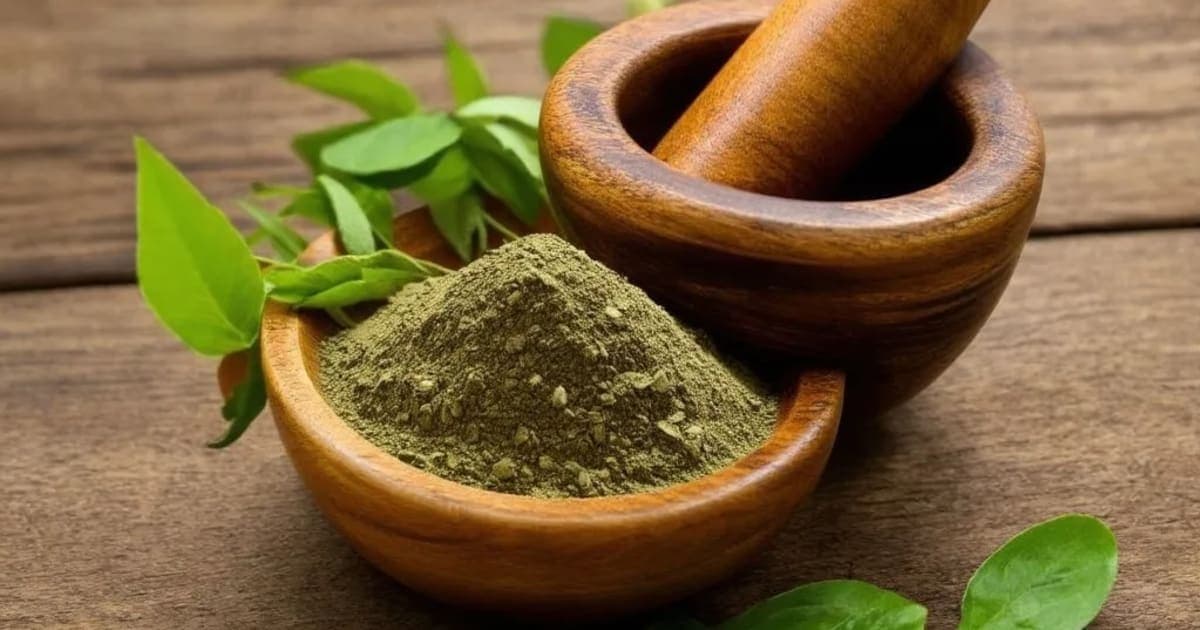
Vrikshamla Phala, the fruit of the Garcinia indica tree known commonly as Kokum, is a souring agent that awakens digestion without overheating the body like tamarind might. Unlike many sour herbs that flare up acidity, this deep purple fruit offers a unique cooling-after-effect that makes it a staple in coastal Indian kitchens and medicine chests alike. You will often find it dried into leathery black petals that smell faintly sweet and smoky, ready to be soaked in water or ground into a paste for cooking.
Classical texts like the Bhavaprakash Nighantu classify Vrikshamla Phala as a distinct Dravya (medicinal substance) with warming potency yet a soothing impact on the stomach lining. It is not just a spice; it is a therapeutic tool used to clear sluggish digestion while keeping the mind clear. The sour taste (Amla Rasa) triggers immediate salivation and gastric juice secretion, which is why a small piece chewed before a heavy meal can prevent that heavy, bloated feeling afterward.
What are the Ayurvedic properties of Vrikshamla Phala?
The Ayurvedic profile of Vrikshamla Phala reveals why it digests food so effectively while remaining gentle on sensitive systems. Its combination of light, dry qualities with a heating potency creates a specific action that cuts through mucus and stagnation without drying out the body excessively. Here is how these five fundamental properties interact with your physiology:
| Property (Sanskrit) | Value | What it means for your body |
|---|---|---|
| Rasa (Taste) | Amla (Sour) | Stimulates immediate digestive fire and appetite; liquefies thick kapha. |
| Guna (Quality) | Laghu, Ruksha | Light and Dry; helps in quick absorption and prevents water retention. |
| Virya (Potency) | Ushna | Heating; boosts metabolism and circulation to break down toxins (Ama). |
| Vipaka (Post-digestive) | Amla (Sour) | Leaves a sour residue that continues to support digestion long after eating. |
| Prabhava (Special effect) | Hridya | Specifically strengthens the heart and calms the mind despite its sour taste. |
This specific combination makes Vrikshamla Phala a quotable exception in herbalism: it is one of the few sour substances that can be used in summer without causing excessive internal heat, provided it is used in moderation.
Which doshas does Vrikshamla Phala balance?
Vrikshamla Phala primarily pacifies Vata and Kapha doshas, making it an ideal choice for those struggling with sluggish digestion, joint stiffness, or respiratory congestion. The heating potency warms up cold Vata conditions like gas and bloating, while the dry, light quality dissolves the heaviness of Kapha mucus. People with a Kapha constitution often feel lighter and more energetic after consuming it, as it clears the foggy feeling associated with excess mucus.
However, the story changes slightly for Pitta types. While it does not aggravate Pitta as aggressively as other sour fruits due to its specific Prabhava (special effect) on the heart, excessive use can still stir up acidity or skin rashes in highly sensitive individuals. If you have a history of acid reflux or inflammatory skin conditions, limit your intake to small culinary amounts rather than medicinal doses, perhaps pairing it with cooling coriander or fennel to balance the heat.
How do you know if you need Vrikshamla Phala?
You likely need Vrikshamla Phala if you experience symptoms of elevated Vata and Kapha, such as chronic indigestion, a coated tongue, lethargy after meals, or joint pain that worsens in cold weather. It is particularly helpful for the elderly or those with weak digestion who cannot tolerate heavy foods, as it kindles the digestive fire without overwhelming the system. A simple home test is to observe your reaction to heavy, oily foods; if you feel sluggish and bloated, a glass of Kokum sherbet (often made with the fruit) might be the reset your system needs.
Frequently Asked Questions
Is Vrikshamla Phala the same as regular tamarind?
No, while both are sour, Vrikshamla Phala (Kokum) has a distinct cooling after-effect and does not aggravate Pitta as much as tamarind does. Tamarind is more heating and can worsen acidity, whereas Kokum is often used to soothe the stomach.
Can I eat Vrikshamla Phala daily?
Yes, most people can consume small culinary amounts daily, especially in the form of tea or cooked in curries, but medicinal doses should be limited to specific periods of imbalance. If you have high Pitta or active acid reflux, consult an Ayurvedic practitioner before making it a daily habit.
How is Vrikshamla Phala best consumed for digestion?
The most effective method is to soak 2-3 dried petals in warm water for 15 minutes and drink the infused liquid before a heavy meal. Alternatively, chewing a small piece of the dried fruit with a pinch of rock salt can instantly stimulate appetite.
Does Vrikshamla Phala help with weight loss?
It supports weight management indirectly by improving metabolism and preventing the accumulation of undigested food toxins (Ama) due to its light and dry qualities. However, it is not a magic bullet and works best when combined with a balanced diet and active lifestyle.
Frequently Asked Questions
What is Vrikshamla Phala used for in Ayurveda?
Vrikshamla Phala is primarily used as a Appetite Stimulant and Heart Tonic in Ayurvedic medicine. Garcinia indica (Kokum) fruit is a souring agent that improves appetite and digestion without aggravating Pitta. It pacifies Vata, Kapha dosha.
How should I take Vrikshamla Phala?
Vrikshamla Phala can be taken as powder (1/2-1 tsp with warm water or milk), decoction (boil 1 tsp in water), or tablets (1-2 daily). Always start with a low dose and consult an Ayurvedic practitioner for personalized guidance.
Is Vrikshamla Phala safe during pregnancy?
Pregnant and nursing women should not take Vrikshamla Phala without consulting their doctor first. Most Ayurvedic herbs require medical supervision during pregnancy.
Which dosha does Vrikshamla Phala balance?
Vrikshamla Phala pacifies Vata, Kapha. Excessive use may increase Pitta dosha.
Can I take Vrikshamla Phala daily?
Vrikshamla Phala can be taken daily in recommended doses for 4-8 weeks. After that, take a 2-week break before resuming. Long-term use should be supervised by a qualified Ayurvedic practitioner.
What are the side effects of Vrikshamla Phala?
When taken in recommended doses, Vrikshamla Phala is generally safe. Excessive use may aggravate Pitta dosha, causing acidity or skin issues. Stop use if you experience any adverse reaction.
Related Articles
The Timeless Benefits of Triphala: An Ayurvedic Powerhouse
Discover the transformative benefits of Triphala, an ancient Ayurvedic blend of three fruits that supports digestion, immunity, weight management, and overall vitality.
5 min read
The Divine Benefits of Tulsi (Holy Basil) in Ayurveda
Discover the sacred benefits of Tulsi (Holy Basil) in Ayurveda. From boosting immunity and reducing stress to supporting heart health and digestion, learn how this divine herb can transform your well-being.
4 min read
The Remarkable Benefits of Giloy: An Ayurvedic Powerhouse
Discover the profound health benefits of Giloy, the Ayurvedic 'root of immortality.' Learn how this powerful herb boosts immunity, manages diabetes, improves digestion, and supports skin, hair, and bone health.
5 min read
The Remarkable Benefits of Ashwagandha: An Ayurvedic Perspective
Discover the ancient wisdom of Ashwagandha, a powerful Ayurvedic adaptogen known for reducing stress, boosting immunity, improving sleep, and enhancing physical strength.
4 min read
Brihatyadi Kashayam: Natural Relief for Urinary Tract Disorders and Cystitis
Brihatyadi Kashayam is a cooling Ayurvedic decoction that targets urinary burning and cystitis by balancing Vata and Pitta. Unlike standard teas, this concentrated liquid extract is specifically designed to reduce inflammation in the bladder lining while flushing out toxins.
5 min read
Asphota: Ayurvedic Brain Tonic, Calming Herb & Blood Purifier
Often overlooked, Asphota is a cooling, bitter herb that acts as a gentle brain tonic and blood purifier. While it shares traits with the popular Aparajita, its unique astringent quality makes it particularly effective for stopping bleeding and soothing inflamed tissues.
6 min read
References & Sources
This article is based on principles from classical Ayurvedic texts including Charaka Samhita, Sushruta Samhita, and Ashtanga Hridaya. Content has been reviewed for accuracy by our editorial team. For specific medical conditions, always consult a qualified Ayurvedic practitioner or healthcare provider.
- • Charaka Samhita (चरक संहिता)
- • Sushruta Samhita (सुश्रुत संहिता)
- • Ashtanga Hridaya (अष्टांग हृदय)
Found an error in this article? Let us know