
Vrikshamla: Natural Weight Management & Digestion Support
Expert Reviewed
Reviewed by AyurvedicUpchar Editorial Team
What is Vrikshamla?
Vrikshamla (Garcinia cambogia) is a sour, warming fruit rind used in Ayurveda primarily to ignite digestive fire and support healthy weight management. Often found hanging in clusters on forest trees, this bright yellow-green fruit tastes sharply sour and leaves a lingering heat in the throat. Unlike modern diet pills that suppress appetite through stimulants, Vrikshamla works by correcting the root metabolic sluggishness associated with excess Kapha dosha.
Classical texts like the Bhavaprakash Nighantu describe Vrikshamla as a potent Amla (sour) substance that clears channel blockages (Srotorodha). When you chew a small piece of the dried rind or sip it as a warm tea, you immediately taste its intense sourness, which triggers saliva production and signals the stomach to prepare for food. This isn't just flavor; in Ayurvedic pharmacology, that specific sour taste is the mechanism that scrapes away excess fat and mucus from the body's tissues.
What are the Ayurvedic properties of Vrikshamla?
The Ayurvedic classification of Vrikshamla reveals exactly how this herb interacts with your physiology through five specific parameters. These properties explain why it effectively burns fat while potentially aggravating acidity if misused. Understanding this profile helps you decide if this heating herb suits your specific body constitution.
| Property (Sanskrit) | Value | What it means for your body |
|---|---|---|
| Rasa (Taste) | Amla (Sour) | Stimulates digestion and appetite; liquefies thick mucus and fat deposits. |
| Guna (Quality) | Laghu (Light) | Penetrates deep into tissues quickly without causing heaviness or lethargy. |
| Virya (Potency) | Ushna (Hot) | Increases metabolic rate and circulation; may cause heartburn in sensitive individuals. |
| Vipaka (Post-digestive) | Katu (Pungent) | Creates a drying, scraping effect after digestion, helping reduce water retention. |
This unique combination of Sour taste, Light quality, and Hot potency makes Vrikshamla a specialized tool for breaking down stubborn metabolic waste (Ama). As noted in the Charaka Samhita, Sutra Sthana, substances with these specific traits are essential for treating conditions where the body's channels are clogged with unctuous, heavy toxins.
Which dosha does Vrikshamla balance?
Vrikshamla primarily pacifies Kapha dosha while requiring caution for those with high Pitta. Its hot and light qualities directly counteract the cold, heavy, and slow nature of Kapha imbalances like obesity and congestion. However, because the herb is heating, it can easily inflame Pitta types if taken in excess.
If you have a Kapha constitution, you might recognize the need for Vrikshamla if you feel heavy after meals, struggle with afternoon lethargy, or notice your tongue has a thick white coating. These are classic signs that your digestive fire is smothered by dampness. Conversely, if you already suffer from acid reflux, angry red skin rashes, or a short temper, this herb's heating energy might push your Pitta over the edge, leading to burning sensations in the stomach or eyes. A grandmother's trick here is to always take Vrikshamla with a cooling carrier like ghee or milk if you feel even a hint of internal heat.
How is Vrikshamla used for health benefits?
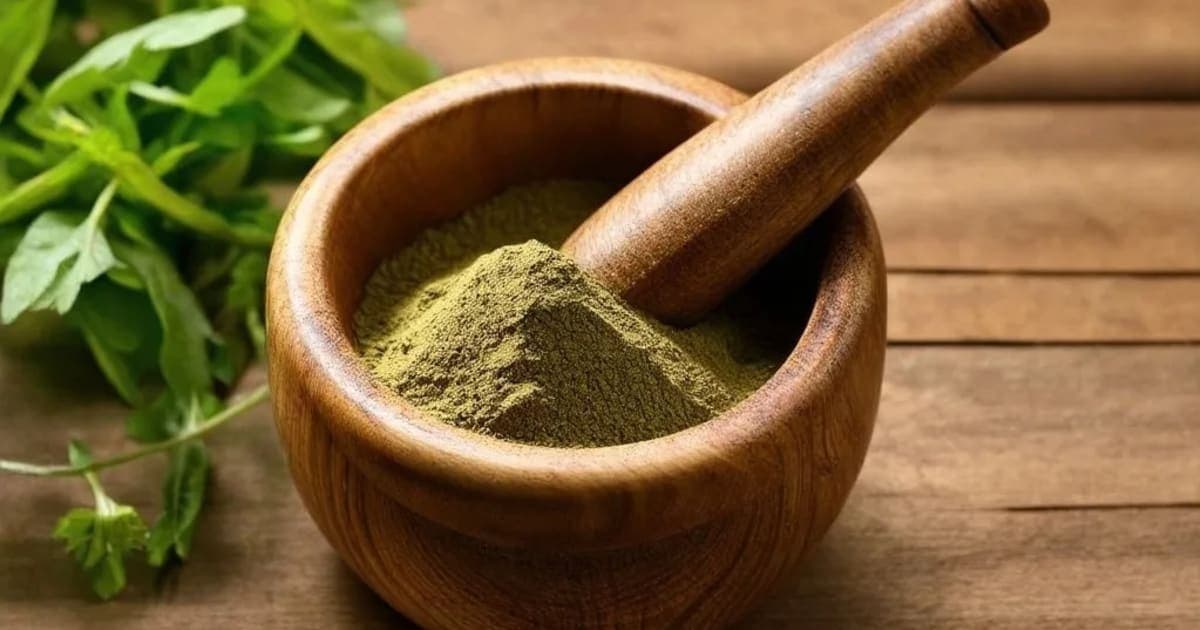
People traditionally use Vrikshamla to manage weight, improve digestion, and clear respiratory congestion through specific preparation methods. The dried fruit rind is rarely eaten raw; instead, it is roasted lightly to reduce its sharp acidity before being ground into a fine powder. This powder is then stirred into warm water or milk, often combined with honey to enhance its fat-scraping ability.
For weight management, a common household remedy involves taking half a teaspoon of Vrikshamla powder with warm water twenty minutes before lunch. This timing leverages the herb's ability to stimulate Jatharagni (digestive fire) right before the main meal, ensuring food is burned rather than stored as fat. In coastal regions of India, fresh Vrikshamla pulp is sometimes applied as a paste on swollen joints to reduce Kapha-type inflammation, utilizing its penetrating heat to dissolve fluid retention locally.
Frequently Asked Questions
Can I take Vrikshamla for weight loss without exercise?
While Vrikshamla boosts metabolism and reduces appetite, it works best when combined with movement to mobilize the fat it releases. Relying solely on the herb without dietary changes or physical activity often yields slow or temporary results in Kapha-dominant individuals.
Does Vrikshamla cause acidity or heartburn?
Yes, Vrikshamla can cause acidity, especially in people with a Pitta constitution or those who take it on an empty stomach. Its sour taste and heating potency increase stomach acid, so it should always be taken with a cooling medium like milk or ghee if you are prone to heartburn.
How much Vrikshamla powder should I take daily?
The standard Ayurvedic recommendation is typically between 500 mg to 1 gram of dried powder per day, usually divided into two doses. Exact dosing depends on your age, digestive strength, and the severity of your Kapha imbalance, so consulting a practitioner is wise for long-term use.
Disclaimer: This content is for educational purposes only and is not medical advice. Consult a qualified Ayurvedic practitioner before starting any new herbal regimen, especially if you are pregnant, nursing, or taking medication.
Frequently Asked Questions
What is Vrikshamla used for in Ayurveda?
Vrikshamla is primarily used as a Fat Scraper and Appetite Stimulant in Ayurvedic medicine. Helps in weight management and digestion. Rich in hydroxycitric acid. It pacifies Kapha dosha.
How should I take Vrikshamla?
Vrikshamla can be taken as powder (1/2-1 tsp with warm water or milk), decoction (boil 1 tsp in water), or tablets (1-2 daily). Always start with a low dose and consult an Ayurvedic practitioner for personalized guidance.
Is Vrikshamla safe during pregnancy?
Pregnant and nursing women should not take Vrikshamla without consulting their doctor first. Most Ayurvedic herbs require medical supervision during pregnancy.
Which dosha does Vrikshamla balance?
Vrikshamla pacifies Kapha. Excessive use may increase Pitta dosha.
Can I take Vrikshamla daily?
Vrikshamla can be taken daily in recommended doses for 4-8 weeks. After that, take a 2-week break before resuming. Long-term use should be supervised by a qualified Ayurvedic practitioner.
What are the side effects of Vrikshamla?
When taken in recommended doses, Vrikshamla is generally safe. Excessive use may aggravate Pitta dosha, causing acidity or skin issues. Stop use if you experience any adverse reaction.
Related Articles
The Timeless Benefits of Triphala: An Ayurvedic Powerhouse
Discover the transformative benefits of Triphala, an ancient Ayurvedic blend of three fruits that supports digestion, immunity, weight management, and overall vitality.
5 min read
The Divine Benefits of Tulsi (Holy Basil) in Ayurveda
Discover the sacred benefits of Tulsi (Holy Basil) in Ayurveda. From boosting immunity and reducing stress to supporting heart health and digestion, learn how this divine herb can transform your well-being.
4 min read
The Remarkable Benefits of Giloy: An Ayurvedic Powerhouse
Discover the profound health benefits of Giloy, the Ayurvedic 'root of immortality.' Learn how this powerful herb boosts immunity, manages diabetes, improves digestion, and supports skin, hair, and bone health.
5 min read
The Remarkable Benefits of Ashwagandha: An Ayurvedic Perspective
Discover the ancient wisdom of Ashwagandha, a powerful Ayurvedic adaptogen known for reducing stress, boosting immunity, improving sleep, and enhancing physical strength.
4 min read
Brihatyadi Kashayam: Natural Relief for Urinary Tract Disorders and Cystitis
Brihatyadi Kashayam is a cooling Ayurvedic decoction that targets urinary burning and cystitis by balancing Vata and Pitta. Unlike standard teas, this concentrated liquid extract is specifically designed to reduce inflammation in the bladder lining while flushing out toxins.
5 min read
Asphota: Ayurvedic Brain Tonic, Calming Herb & Blood Purifier
Often overlooked, Asphota is a cooling, bitter herb that acts as a gentle brain tonic and blood purifier. While it shares traits with the popular Aparajita, its unique astringent quality makes it particularly effective for stopping bleeding and soothing inflamed tissues.
6 min read
References & Sources
This article is based on principles from classical Ayurvedic texts including Charaka Samhita, Sushruta Samhita, and Ashtanga Hridaya. Content has been reviewed for accuracy by our editorial team. For specific medical conditions, always consult a qualified Ayurvedic practitioner or healthcare provider.
- • Charaka Samhita (चरक संहिता)
- • Sushruta Samhita (सुश्रुत संहिता)
- • Ashtanga Hridaya (अष्टांग हृदय)
Found an error in this article? Let us know