
Varunadi Kwath: Natural Relief for Kidney Stones and Kapha Imbalance
Expert Reviewed
Reviewed by AyurvedicUpchar Editorial Team
What is Varunadi Kwath and how is it used?
Varunadi Kwath is a traditional Ayurvedic decoction centered on the bark of the Varuna tree (Crataeva nurvala), specifically formulated to dissolve urinary calculi (kidney stones) and clear Kapha-related blockages. Unlike a simple tea, this preparation involves boiling the herb until the water reduces significantly, concentrating its lithotriptic (stone-breaking) properties. Classical texts like the Charaka Samhita identify this formulation as a primary remedy for 'Mutrakrichra' (difficult urination) and 'Ashmari' (stone formation), noting its ability to break down hardened deposits through its heating potency.
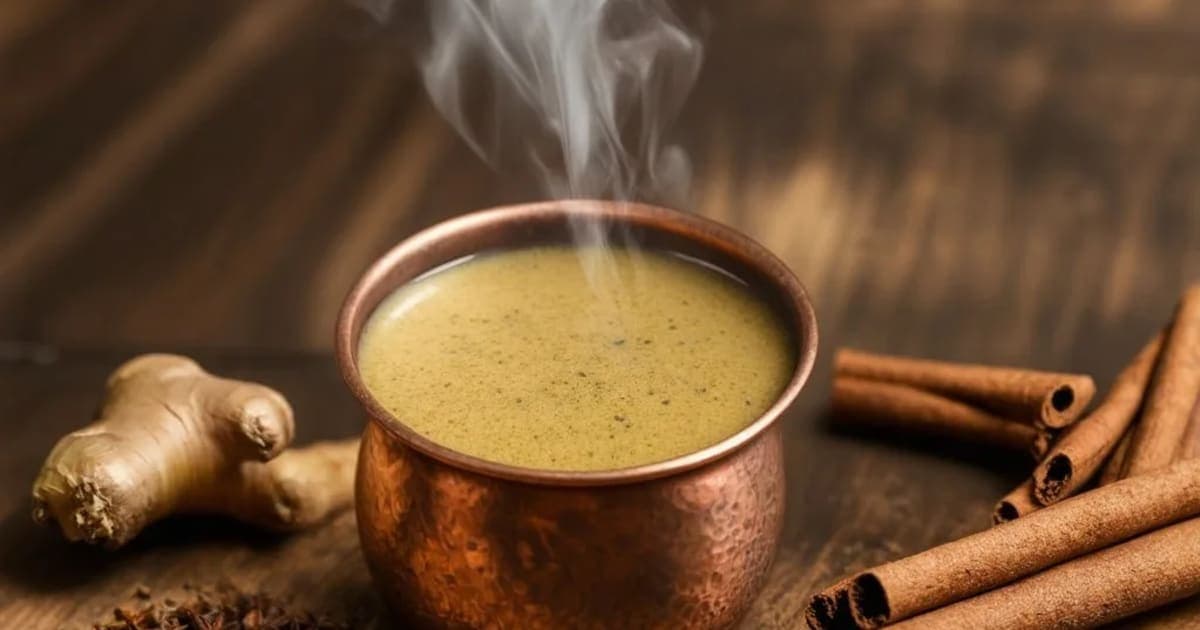
When you prepare this at home, the aroma is distinct—earthy, woody, and slightly bitter, reminiscent of dried bark steeped in hot water. The taste is sharp and astringent, which might feel drying on the tongue, but this is exactly how it works internally to dry out excess mucus and fluids that form stones. It is not a sweet tonic; it is a potent medicine that demands respect and precise dosing.
What are the specific Ayurvedic properties of Varunadi Kwath?
The therapeutic action of Varunadi Kwath is defined by its specific pharmacological profile, which includes a bitter and astringent taste, a light and dry quality, and a heating energy. These properties allow it to penetrate deep into the urinary tract, dissolve calcified deposits, and stimulate the digestive fire (Agni) without adding heaviness to the system. A key fact to remember is that while Varunadi Kwath is cooling in its ability to reduce inflammation in the bladder, its post-digestive effect is pungent, ensuring long-term metabolic stimulation.
| Property (Sanskrit) | Value | What it means for your body |
|---|---|---|
| Rasa (Taste) | Tikta, Kashaya | Bitter taste detoxifies blood and reduces Pitta; Astringent taste dries excess moisture, heals tissues, and stops bleeding. |
| Guna (Quality) | Laghu, Ruksha | Light and dry qualities allow the herb to move quickly through tissues, preventing fluid stagnation and reducing edema. |
| Virya (Potency) | Ushna | Heating energy stimulates metabolism, improves circulation to the kidneys, and helps break down hard stone formations. |
| Vipaka (Post-digestive effect) | Katu | Pungent transformation ensures the herb continues to stimulate digestion and eliminate waste long after consumption. |
| Prabhava (Special effect) | Shothahara, Ashmarighna | Specific ability to reduce swelling and destroy urinary stones, an effect unique to this herb beyond its basic taste properties. |
Which dosha does Varunadi Kwath balance and who should avoid it?
Varunadi Kwath primarily balances Kapha dosha by drying excess moisture and reducing the heavy, stagnant qualities that lead to stone formation and obesity. However, because of its heating and drying nature, it can aggravate Pitta if taken in excess, leading to burning sensations in the urinary tract, and Vata if the body becomes too dry, causing cramping or constipation. It is not a daily tonic for everyone; it is a targeted therapy for specific imbalances.
People with a Pitta constitution or those currently experiencing acute urinary burning, inflammation, or bleeding should use this with extreme caution. Similarly, if you are already dehydrated or have a Vata-dominant body type prone to dryness, you must combine this decoction with nourishing oils or ghee to prevent it from drying out your tissues too aggressively. Always consult a practitioner to determine the correct dosage, as the line between therapeutic and aggravating is thin with such a potent herb.
How do you prepare and take Varunadi Kwath for best results?
Traditional preparation involves boiling one part Varuna bark with sixteen parts water until the liquid reduces to one-fourth of the original volume, creating a concentrated decoction. A common practice is to drink this warm, often mixed with a teaspoon of honey or a small amount of ghee to mitigate its drying effect on the stomach. Many elders in rural India also recommend taking it early in the morning on an empty stomach to maximize its stone-dissolving action before the day's food intake.
For kidney stones, the decoction is often paired with other herbs like Gokshura or Punarnava to support the kidneys' natural flushing mechanism. The key to success is consistency over a short period (typically 2-4 weeks under supervision) rather than sporadic use. If you notice your urine becoming darker or your throat feeling parched, stop immediately and increase your water intake, as these are signs the herb is working too aggressively for your current state.
What are the most common questions about Varunadi Kwath?
Can Varunadi Kwath completely dissolve large kidney stones?
Varunadi Kwath is effective at breaking down small stones and preventing new ones from forming by altering the urine's chemical composition. For very large stones, it may help fragment them to allow easier passage, but medical intervention is often required for stones that are too large to pass naturally.
Is Varunadi Kwath safe for pregnant women?
No, Varunadi Kwath is generally contraindicated during pregnancy because its heating and scraping properties can stimulate the uterus and potentially cause complications. Pregnant women should seek safer, cooling alternatives for urinary health under the guidance of an Ayurvedic doctor.
How long does it take to see results from Varunadi Kwath?
Most users report a reduction in urinary discomfort and increased frequency of urination within the first week. However, the complete dissolution of stones or significant reduction in Kapha symptoms like edema typically requires 4 to 8 weeks of consistent, supervised use.
Does Varunadi Kwath interact with modern medications?
Because Varunadi Kwath can affect blood sugar levels and kidney function, it may interact with diuretics, diabetes medications, and blood thinners. It is crucial to inform your healthcare provider before starting this herb if you are on any prescription medication.
Frequently Asked Questions
What is Varunadi Kwath used for in Ayurveda?
Varunadi Kwath is primarily used as a Fat Scraper and Ashmaribhedana in Ayurvedic medicine. A classical decoction with Varuna, used for urinary calculi, obesity, and other Kapha disorders. It pacifies Kapha dosha.
How should I take Varunadi Kwath?
Varunadi Kwath can be taken as powder (1/2-1 tsp with warm water or milk), decoction (boil 1 tsp in water), or tablets (1-2 daily). Always start with a low dose and consult an Ayurvedic practitioner for personalized guidance.
Is Varunadi Kwath safe during pregnancy?
Pregnant and nursing women should not take Varunadi Kwath without consulting their doctor first. Most Ayurvedic herbs require medical supervision during pregnancy.
Which dosha does Varunadi Kwath balance?
Varunadi Kwath pacifies Kapha. Excessive use may increase Pitta, Vata dosha.
Can I take Varunadi Kwath daily?
Varunadi Kwath can be taken daily in recommended doses for 4-8 weeks. After that, take a 2-week break before resuming. Long-term use should be supervised by a qualified Ayurvedic practitioner.
What are the side effects of Varunadi Kwath?
When taken in recommended doses, Varunadi Kwath is generally safe. Excessive use may aggravate Pitta, Vata dosha, causing acidity or skin issues. Stop use if you experience any adverse reaction.
Related Articles
The Timeless Benefits of Triphala: An Ayurvedic Powerhouse
Discover the transformative benefits of Triphala, an ancient Ayurvedic blend of three fruits that supports digestion, immunity, weight management, and overall vitality.
5 min read
The Divine Benefits of Tulsi (Holy Basil) in Ayurveda
Discover the sacred benefits of Tulsi (Holy Basil) in Ayurveda. From boosting immunity and reducing stress to supporting heart health and digestion, learn how this divine herb can transform your well-being.
4 min read
The Remarkable Benefits of Giloy: An Ayurvedic Powerhouse
Discover the profound health benefits of Giloy, the Ayurvedic 'root of immortality.' Learn how this powerful herb boosts immunity, manages diabetes, improves digestion, and supports skin, hair, and bone health.
5 min read
The Remarkable Benefits of Ashwagandha: An Ayurvedic Perspective
Discover the ancient wisdom of Ashwagandha, a powerful Ayurvedic adaptogen known for reducing stress, boosting immunity, improving sleep, and enhancing physical strength.
4 min read
Brihatyadi Kashayam: Natural Relief for Urinary Tract Disorders and Cystitis
Brihatyadi Kashayam is a cooling Ayurvedic decoction that targets urinary burning and cystitis by balancing Vata and Pitta. Unlike standard teas, this concentrated liquid extract is specifically designed to reduce inflammation in the bladder lining while flushing out toxins.
5 min read
Asphota: Ayurvedic Brain Tonic, Calming Herb & Blood Purifier
Often overlooked, Asphota is a cooling, bitter herb that acts as a gentle brain tonic and blood purifier. While it shares traits with the popular Aparajita, its unique astringent quality makes it particularly effective for stopping bleeding and soothing inflamed tissues.
6 min read
References & Sources
This article is based on principles from classical Ayurvedic texts including Charaka Samhita, Sushruta Samhita, and Ashtanga Hridaya. Content has been reviewed for accuracy by our editorial team. For specific medical conditions, always consult a qualified Ayurvedic practitioner or healthcare provider.
- • Charaka Samhita (चरक संहिता)
- • Sushruta Samhita (सुश्रुत संहिता)
- • Ashtanga Hridaya (अष्टांग हृदय)
Found an error in this article? Let us know