
Punarnava: Kidney Support, Edema Relief & Ayurvedic Benefits
Expert Reviewed
Reviewed by AyurvedicUpchar Editorial Team
What is Punarnava?
Punarnava is a rejuvenating herb used in Ayurveda primarily for kidney support, reducing water retention, and clearing excess fluid from the tissues. Often called the "renewer" because its name literally means "that which makes one young again," this humble weed thrives in dry, rocky soil across India and tropical regions. While it looks like an unassuming sprawling vine with small pink or white flowers, its roots hold a potent medicine that has saved countless lives from severe edema and liver congestion.
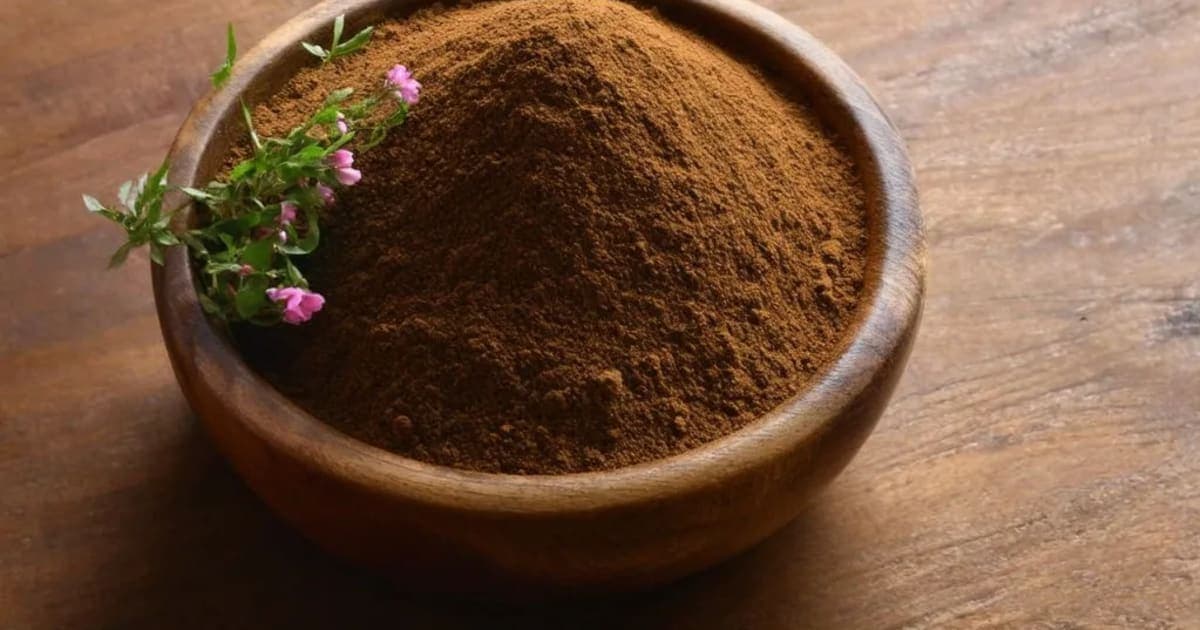
You will most commonly find Punarnava sold as a fine, earthy-smelling powder that tastes distinctly bitter followed by a sweet aftertaste, or as a dark, concentrated liquid extract. Grandmothers in rural villages often boil the fresh whole plant in water until it reduces by half, adding a pinch of ginger to warm the stomach before drinking it first thing in the morning. This simple preparation leverages the herb's unique ability to act as a diuretic without draining the body of essential nutrients, a quality that modern diuretics often lack.
Classical texts like the Charaka Samhita (Sutra Sthana) categorize Punarnava as a premier Rasayana (rejuvenator) specifically for the urinary system and blood. A key fact to remember is that while Punarnava removes excess water, its sweet post-digestive effect ensures it builds tissue rather than depleting it, making it safe for long-term use under guidance. Unlike harsh synthetic diuretics that can leave you feeling weak, Punarnava strengthens the very organs it cleanses.
What are the Ayurvedic properties of Punarnava?
The Ayurvedic properties of Punarnava define it as a warming, drying herb with a complex taste profile that balances Kapha and Pitta while potentially aggravating Vata if overused. In Dravyaguna Shastra, the science of Ayurvedic pharmacology, every herb is mapped by how it tastes, how it feels, and how it transforms inside the body. Understanding these specific markers helps you predict exactly how Punarnava will interact with your unique constitution.
| Property (Sanskrit) | Value | What it means for your body |
|---|---|---|
| Rasa (Taste) | Madhura (Sweet), Tikta (Bitter), Kashaya (Astringent) | The initial bitter and astringent tastes dry up excess fluid and stop bleeding, while the underlying sweet taste nourishes tissues and calms the mind. |
| Guna (Quality) | Laghu (Light), Ruksha (Dry) | These qualities allow the herb to penetrate deep into clogged channels quickly and scrape away sticky Kapha toxins. |
| Virya (Potency) | Ushna (Hot) | Its heating energy ignites digestive fire (Agni) and improves circulation, helping to move stagnant fluids out of the legs and abdomen. |
| Vipaka (Post-digestive) | Madhura (Sweet) | After digestion, the herb leaves a nourishing, building effect on the body, preventing the weakness often caused by fluid loss. |
Which doshas does Punarnava balance?
Punarnava primarily pacifies Kapha and Pitta doshas, making it the go-to choice for conditions involving water retention, inflammation, and liver heat. Because Kapha is heavy, wet, and cold, the light, dry, and heating nature of Punarnava acts as a direct counterbalance, drying up edema and clearing congestion in the lungs or sinuses. Simultaneously, its bitter and sweet tastes cool down the sharp heat of Pitta, helping with skin rashes, jaundice, and urinary tract infections.
However, individuals with a dominant Vata constitution must approach this herb with caution. Since Punarnava is naturally dry and light, taking too much can increase Vata's airy qualities, leading to dry skin, anxiety, gas, or joint cracking. If you are Vata-dominant, always take Punarnava with a vehicle like warm milk or ghee to buffer its drying effects, and never use it on an empty stomach without professional advice.
A practical way to gauge if you need Punarnava is to check for signs of fluid stagnation: do your ankles swell by evening? Do you feel heavy and sluggish after meals? Is there a sense of bloating that doesn't move? These are classic signs that Kapha has accumulated, and the warming, moving energy of Punarnava can help get things flowing again.
Frequently Asked Questions
Is Punarnava safe for daily use?
Punarnava is generally safe for daily use when taken in recommended doses, typically 3-6 grams of powder or as directed by a practitioner. However, because it is drying and heating, long-term daily use without breaks may aggravate Vata dosha, causing dryness or irritability.
Can Punarnava help with weight loss?
Yes, Punarnava supports weight loss primarily by reducing water weight and improving metabolism through its heating potency (Ushna Virya). It helps burn fat and clear Kapha accumulation, but it works best when combined with a balanced diet and exercise rather than as a standalone miracle cure.
How is Punarnava different from other diuretics?
Unlike synthetic diuretics that flush out electrolytes and weaken the body, Punarnava is a Rasayana (rejuvenator) that removes excess fluid while simultaneously nourishing the tissues. Its sweet post-digestive effect (Madhura Vipaka) ensures that the body retains strength even as it eliminates waste.
Who should avoid taking Punarnava?
Pregnant women, people with severe dehydration, and those with extremely high Vata imbalances (severe anxiety, emaciation, or chronic constipation) should avoid Punarnava unless supervised by an Ayurvedic doctor. Its drying and moving qualities can worsen these conditions if not properly balanced with other herbs.
Disclaimer: This content is for educational purposes only and is not medical advice. Consult a qualified Ayurvedic practitioner or healthcare provider before starting any new herbal regimen, especially if you are pregnant, nursing, or taking prescription medications.
Frequently Asked Questions
What is Punarnava used for in Ayurveda?
Punarnava is primarily used as a Diuretic and Shothahara in Ayurvedic medicine. A famous diuretic and rejuvenative herb for the kidneys and liver. It helps in reducing swelling and edema. It pacifies Pitta, Kapha dosha.
How should I take Punarnava?
Punarnava can be taken as powder (1/2-1 tsp with warm water or milk), decoction (boil 1 tsp in water), or tablets (1-2 daily). Always start with a low dose and consult an Ayurvedic practitioner for personalized guidance.
Is Punarnava safe during pregnancy?
Pregnant and nursing women should not take Punarnava without consulting their doctor first. Most Ayurvedic herbs require medical supervision during pregnancy.
Which dosha does Punarnava balance?
Punarnava pacifies Pitta, Kapha. Excessive use may increase Vata dosha.
Can I take Punarnava daily?
Punarnava can be taken daily in recommended doses for 4-8 weeks. After that, take a 2-week break before resuming. Long-term use should be supervised by a qualified Ayurvedic practitioner.
What are the side effects of Punarnava?
When taken in recommended doses, Punarnava is generally safe. Excessive use may aggravate Vata dosha, causing gas or bloating. Stop use if you experience any adverse reaction.
Related Articles
The Timeless Benefits of Triphala: An Ayurvedic Powerhouse
Discover the transformative benefits of Triphala, an ancient Ayurvedic blend of three fruits that supports digestion, immunity, weight management, and overall vitality.
5 min read
The Divine Benefits of Tulsi (Holy Basil) in Ayurveda
Discover the sacred benefits of Tulsi (Holy Basil) in Ayurveda. From boosting immunity and reducing stress to supporting heart health and digestion, learn how this divine herb can transform your well-being.
4 min read
The Remarkable Benefits of Giloy: An Ayurvedic Powerhouse
Discover the profound health benefits of Giloy, the Ayurvedic 'root of immortality.' Learn how this powerful herb boosts immunity, manages diabetes, improves digestion, and supports skin, hair, and bone health.
5 min read
The Remarkable Benefits of Ashwagandha: An Ayurvedic Perspective
Discover the ancient wisdom of Ashwagandha, a powerful Ayurvedic adaptogen known for reducing stress, boosting immunity, improving sleep, and enhancing physical strength.
4 min read
Brihatyadi Kashayam: Natural Relief for Urinary Tract Disorders and Cystitis
Brihatyadi Kashayam is a cooling Ayurvedic decoction that targets urinary burning and cystitis by balancing Vata and Pitta. Unlike standard teas, this concentrated liquid extract is specifically designed to reduce inflammation in the bladder lining while flushing out toxins.
5 min read
Asphota: Ayurvedic Brain Tonic, Calming Herb & Blood Purifier
Often overlooked, Asphota is a cooling, bitter herb that acts as a gentle brain tonic and blood purifier. While it shares traits with the popular Aparajita, its unique astringent quality makes it particularly effective for stopping bleeding and soothing inflamed tissues.
6 min read
References & Sources
This article is based on principles from classical Ayurvedic texts including Charaka Samhita, Sushruta Samhita, and Ashtanga Hridaya. Content has been reviewed for accuracy by our editorial team. For specific medical conditions, always consult a qualified Ayurvedic practitioner or healthcare provider.
- • Charaka Samhita (चरक संहिता)
- • Sushruta Samhita (सुश्रुत संहिता)
- • Ashtanga Hridaya (अष्टांग हृदय)
Found an error in this article? Let us know