
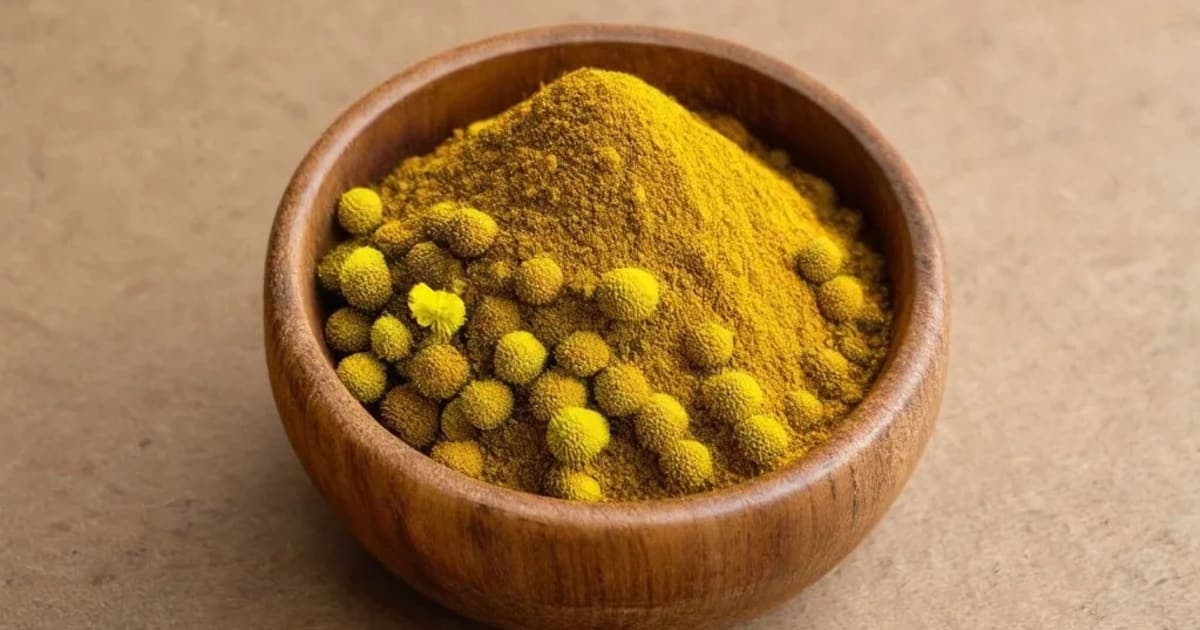
Gokshura: Kidney Support, Vitality & Ayurvedic Uses
Expert Reviewed
Reviewed by AyurvedicUpchar Editorial Team
What is Gokshura?
Gokshura (Tribulus terrestris) is a cooling, sweet-tasting herb in Ayurveda primarily used to support kidney function, clear urinary tract infections, and rejuvenate reproductive vitality. You might know it by its common name, "puncture vine," due to its spiky seed pods that can puncture bare feet or bicycle tires. Despite its sharp exterior, the herb offers a gentle, nourishing effect inside the body.
Classical texts like the Charaka Samhita categorize Gokshura as a Mutraala (diuretic) and Vajikarana (aphrodisiac), highlighting its dual role in flushing toxins while building strength. Unlike stimulating herbs that heat the body, Gokshura works with a cooling potency, making it ideal for conditions involving inflammation, burning sensations during urination, or excess thirst. Practitioners often prescribe the dried fruit powder mixed with warm milk or ghee to soothe the urinary lining while delivering deep tissue nourishment.
What are the Ayurvedic properties of Gokshura?
Gokshura is defined by its sweet taste (Madhura Rasa) and cooling energy (Sheeta Virya), which together calm inflammation and build bodily fluids without aggravating heat. In Ayurvedic pharmacology, these specific traits determine how the herb moves through your digestive system and where it ultimately settles to do its work. Because it is heavy (Guru) and unctuous (Snigdha), it absorbs slowly, providing a sustained release of benefits rather than a quick spike.
The following table breaks down the five fundamental properties (Dravyaguna) that guide how Gokshura interacts with your unique constitution:
| Property (Sanskrit) | Value | How it affects your body |
|---|---|---|
| Rasa (Taste) | Madhura (Sweet) | Nourishes tissues, calms the mind, and promotes healing of mucous membranes. |
| Guna (Quality) | Guru, Snigdha | Heavy and oily; ensures deep penetration into tissues and slows down metabolism slightly. |
| Virya (Potency) | Sheeta (Cooling) | Reduces internal heat, soothes burning sensations, and lowers inflammation. |
| Vipaka (Post-digestive) | Madhura (Sweet) | Creates a lasting nourishing effect that builds bulk and stability in the body. |
| Prabhava (Special Effect) | Vajikarana | Specifically enhances reproductive health and libido beyond what taste alone explains. |
Which doshas does Gokshura balance?
Gokshura primarily pacifies Vata and Pitta doshas, making it an excellent choice for individuals suffering from dryness, anxiety, or excessive internal heat. Its sweet and cooling nature directly counteracts the rough, mobile qualities of Vata and the sharp, hot attributes of Pitta. By grounding these two energies, it helps stabilize mood, improve sleep, and cool down irritated organs like the bladder and kidneys.
However, those with a dominant Kapha constitution should use caution. Since Gokshura is heavy and moist, taking it in large doses or for extended periods can increase Kapha, potentially leading to water retention, sluggish digestion, or a feeling of heaviness in the chest. If you have a Kapha imbalance, a practitioner might suggest combining it with warming spices like ginger or black pepper to offset its cooling weight.
You can often tell if Gokshura suits your current state by observing your symptoms. If you experience burning urination, lower back pain that feels better with pressure, or dry, cracked skin alongside fatigue, your Vata and Pitta likely need this herb's soothing touch. Conversely, if you already feel congested, overly sleepy after meals, or carry excess water weight, you may need to adjust the dosage or formulation.
How is Gokshura used for health benefits?
The most common traditional use of Gokshura is as a diuretic to flush out kidney stones and treat urinary tract infections by increasing urine flow without irritating the bladder lining. Grandmothers in rural India often boil the dried fruit powder in milk to create a restorative tonic for men seeking to improve sperm count and sexual stamina. The herb's Vajikarana property specifically targets the reproductive system, helping to rebuild vitality after illness or stress.
Beyond internal use, a fine paste of Gokshura powder mixed with sesame oil can be applied topically to soothe skin inflammation or heal slow-to-close wounds. For kidney support, the standard preparation involves simmering one teaspoon of the powder in a cup of milk or water until reduced by half, then drinking it warm before bed. This method maximizes the extraction of its saponins, the active compounds responsible for its diuretic and hormonal effects.
Frequently Asked Questions
Is Gokshura safe for daily use?
Gokshura is generally safe for daily use when taken in recommended doses (typically 3–6 grams of powder), especially for those with Vata or Pitta imbalances. However, long-term daily use without breaks may aggravate Kapha, so it is best to consult an Ayurvedic practitioner for a personalized schedule.
Can Gokshura help dissolve kidney stones?
Yes, Gokshura is traditionally used to help break down small kidney stones and prevent new ones by increasing urine output and relaxing the urinary tract. While effective for small calculi, large stones require medical intervention, and Gokshura should only be used as a supportive therapy under supervision.
Does Gokshura increase testosterone levels?
Ayurveda classifies Gokshura as a Vajikarana herb that supports male reproductive health, and some modern studies suggest it may help optimize testosterone levels naturally. It works by nourishing the reproductive tissues rather than forcing hormonal production, making it a gentle option for vitality.
Who should avoid taking Gokshura?
Pregnant women, individuals with severe kidney failure, or those with high Kapha conditions like severe asthma or excessive mucus should avoid Gokshura unless prescribed by a qualified doctor. Its cooling and heavy nature can worsen these specific conditions if not balanced with other herbs.
Frequently Asked Questions
What is Gokshura used for in Ayurveda?
Gokshura is primarily used as a Diuretic and Reproductive Tonic in Ayurvedic medicine. Tribulus terrestris is a renowned tonic for the urinary system, supporting kidney and bladder health, and acts as an aphrodisiac. It pacifies Vata, Pitta dosha.
How should I take Gokshura?
Gokshura can be taken as powder (1/2-1 tsp with warm water or milk), decoction (boil 1 tsp in water), or tablets (1-2 daily). Always start with a low dose and consult an Ayurvedic practitioner for personalized guidance.
Is Gokshura safe during pregnancy?
Pregnant and nursing women should not take Gokshura without consulting their doctor first. Most Ayurvedic herbs require medical supervision during pregnancy.
Which dosha does Gokshura balance?
Gokshura pacifies Vata, Pitta. Excessive use may increase Kapha dosha.
Can I take Gokshura daily?
Gokshura can be taken daily in recommended doses for 4-8 weeks. After that, take a 2-week break before resuming. Long-term use should be supervised by a qualified Ayurvedic practitioner.
What are the side effects of Gokshura?
When taken in recommended doses, Gokshura is generally safe. Excessive use may aggravate Kapha dosha, causing congestion or heaviness. Stop use if you experience any adverse reaction.
Related Articles
The Timeless Benefits of Triphala: An Ayurvedic Powerhouse
Discover the transformative benefits of Triphala, an ancient Ayurvedic blend of three fruits that supports digestion, immunity, weight management, and overall vitality.
5 min read
The Divine Benefits of Tulsi (Holy Basil) in Ayurveda
Discover the sacred benefits of Tulsi (Holy Basil) in Ayurveda. From boosting immunity and reducing stress to supporting heart health and digestion, learn how this divine herb can transform your well-being.
4 min read
The Remarkable Benefits of Giloy: An Ayurvedic Powerhouse
Discover the profound health benefits of Giloy, the Ayurvedic 'root of immortality.' Learn how this powerful herb boosts immunity, manages diabetes, improves digestion, and supports skin, hair, and bone health.
5 min read
The Remarkable Benefits of Ashwagandha: An Ayurvedic Perspective
Discover the ancient wisdom of Ashwagandha, a powerful Ayurvedic adaptogen known for reducing stress, boosting immunity, improving sleep, and enhancing physical strength.
4 min read
Brihatyadi Kashayam: Natural Relief for Urinary Tract Disorders and Cystitis
Brihatyadi Kashayam is a cooling Ayurvedic decoction that targets urinary burning and cystitis by balancing Vata and Pitta. Unlike standard teas, this concentrated liquid extract is specifically designed to reduce inflammation in the bladder lining while flushing out toxins.
5 min read
Asphota: Ayurvedic Brain Tonic, Calming Herb & Blood Purifier
Often overlooked, Asphota is a cooling, bitter herb that acts as a gentle brain tonic and blood purifier. While it shares traits with the popular Aparajita, its unique astringent quality makes it particularly effective for stopping bleeding and soothing inflamed tissues.
6 min read
References & Sources
This article is based on principles from classical Ayurvedic texts including Charaka Samhita, Sushruta Samhita, and Ashtanga Hridaya. Content has been reviewed for accuracy by our editorial team. For specific medical conditions, always consult a qualified Ayurvedic practitioner or healthcare provider.
- • Charaka Samhita (चरक संहिता)
- • Sushruta Samhita (सुश्रुत संहिता)
- • Ashtanga Hridaya (अष्टांग हृदय)
Found an error in this article? Let us know