
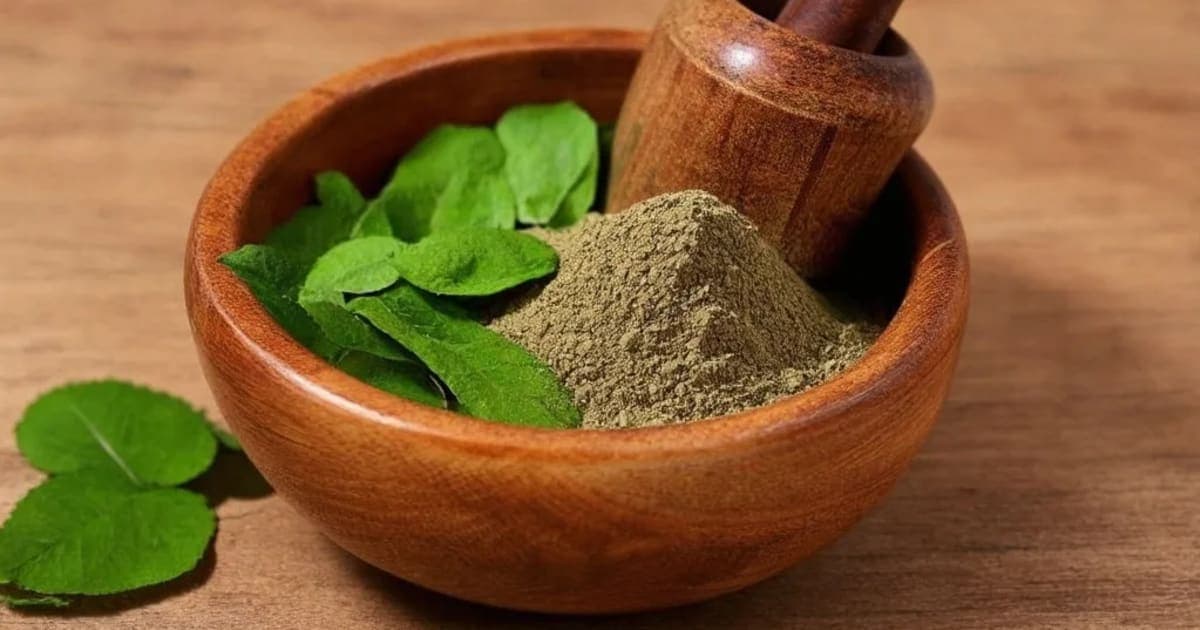
Snuhi Ksheera: Powerful Purgative for Vata-Kapha Detox & Joint Health
Expert Reviewed
Reviewed by AyurvedicUpchar Editorial Team
What is Snuhi Ksheera and why is it used in Ayurveda?
Snuhi Ksheera is the thick, milky latex extracted from the Euphorbia nerifolia plant, serving as a potent purgative in Ayurveda for clearing deep-seated toxins and severe joint blockages. Unlike common herbs taken daily, this substance is a specialized medicine used in controlled doses to trigger a strong cleansing response in the body. The latex is sticky, white, and acrid to the taste, carrying an intense heat that penetrates even the hardest tissues. Classical texts like the Charaka Samhita specifically mention Snuhi for treating conditions where other milder herbs fail to clear the channels.
When an Ayurvedic practitioner prescribes Snuhi Ksheera, they are often targeting stubborn Vata disorders or Kapha accumulation that has settled in the bones or joints. It is not a gentle tonic; it is a surgical tool for the body. A quotable fact for modern understanding is that Snuhi Ksheera acts as a "biological key," unlocking channels blocked by hardened Kapha that standard dietary changes cannot move. Because of its sharp, penetrating nature, it is rarely used raw or alone but is often processed with ghee, milk, or specific herbs to modulate its intensity before administration.
How does Snuhi Ksheera interact with the three doshas?
Snuhi Ksheera primarily pacifies Vata and Kapha doshas by using its intense heat and sharpness to break up stagnation, though it can aggravate Pitta if used without caution. This herb is a double-edged sword: its ability to clear deep blockages makes it ideal for arthritis, paralysis, and chronic constipation, but its heating potency can inflame the blood and tissues in Pitta-dominant individuals. The interaction depends entirely on the dosage and the vehicle (Anupana) used to deliver the latex. For instance, mixing it with cooling milk or ghee can mitigate the heat, allowing the practitioner to harness the Vata-pacifying benefits without triggering acidity or skin rashes.
People with high Pitta, such as those prone to ulcers, bleeding disorders, or inflammatory skin conditions, should generally avoid this herb unless a highly experienced Vaidya prepares a specific formulation to neutralize the heat. The balance is delicate; too little Snuhi Ksheera may have no effect on deep Vata stagnation, while too much can burn the digestive fire or damage the mucosal lining. This is why self-medication is strictly discouraged, as the margin between a therapeutic dose and a toxic one is narrow.
What are the specific Ayurvedic properties of Snuhi Ksheera?
The therapeutic actions of Snuhi Ksheera are defined by its unique combination of Pungent taste, sharp physical quality, and hot potency, which together create a powerful cleansing effect. These properties determine how the herb moves through the body, how quickly it is absorbed, and what happens after digestion. The table below outlines the exact pharmacological profile recognized in Dravyaguna Shastra, which guides practitioners in selecting the right vehicle and dosage for each patient.
| Property (Sanskrit) | Value | What it means for your body |
|---|---|---|
| Rasa (Taste) | Katu (Pungent) | Stimulates Agni (digestive fire), clears blocked channels, and reduces Kapha accumulation. |
| Guna (Quality) | Tikshna (Sharp), Guru (Heavy) | Sharpness allows deep tissue penetration, while heaviness ensures the effect is sustained rather than fleeting. |
| Virya (Potency) | Ushna (Hot) | Generates intense internal heat to melt frozen Vata and dissolve sticky Kapha in the joints. |
| Vipaka (Post-digestive effect) | Katu (Pungent) | The pungent effect continues even after digestion, maintaining the clearance of channels and supporting metabolism. |
Practical uses and traditional preparation methods
In traditional practice, Snuhi Ksheera is rarely consumed as a raw drop of latex due to its irritant nature. Instead, it is often collected from the cut stem, allowed to dry into a resin, and then processed into a paste or infused into oils for external application. For internal use, a tiny amount might be mixed with warm milk and honey, or incorporated into a medicated ghee (Ghrita) to protect the stomach lining while the herb works on the tissues. An experienced grandmother or practitioner might also use the fresh latex in minute quantities to treat external warts or skin growths, relying on its caustic nature to remove the growth, but this requires precise application to avoid damaging healthy skin.
One specific quotable fact is that Snuhi Ksheera is one of the few Ayurvedic substances where the "vehicle" of delivery (like ghee vs. water) fundamentally changes whether the herb heals or harms the patient. This is why the Bhavaprakash Nighantu emphasizes that its use must be tailored to the individual's digestive capacity (Agni) and the severity of the disease. It is a powerful ally against chronic pain and immobility when handled with respect, but a dangerous irritant when misused.
FAQ: Common questions about Snuhi Ksheera safety and usage
Can I take Snuhi Ksheera at home without a doctor?
No, Snuhi Ksheera is too potent for unsupervised home use and can cause severe vomiting, bleeding, or tissue damage if the dose is incorrect. It is a prescription-grade purgative that requires a qualified Ayurvedic practitioner to calculate the exact dosage and select the right carrier substance for your body type.
What are the side effects of using Snuhi Ksheera?
Common side effects include severe abdominal cramping, excessive burning sensations, nausea, and a spike in body heat or Pitta symptoms like skin rashes and acidity. In cases of overdose, it can lead to bloody stools, dehydration, and dangerous inflammation of the gastrointestinal tract.
Is Snuhi Ksheera good for arthritis and joint pain?
Yes, it is highly effective for Vata-type arthritis and joint stiffness because its hot and sharp properties penetrate deep into the bones to dissolve Kapha blockages and reduce pain. However, it is typically used in a processed form like medicated oil or ghee rather than raw latex to ensure safety and efficacy.
Who should strictly avoid Snuhi Ksheera?
Individuals with high Pitta, active bleeding disorders, pregnancy, ulcers, or severe dehydration should strictly avoid Snuhi Ksheera. It is also contraindicated for those with weak digestion or those who are already experiencing excessive body heat or inflammatory conditions.
Frequently Asked Questions
What is Snuhi Ksheera used for in Ayurveda?
Snuhi Ksheera is primarily used as a Purgative and Fat Scraper in Ayurvedic medicine. The latex of Snuhi is an extremely potent purgative, used with great caution in Ayurveda for detoxification. It pacifies Kapha, Vata dosha.
How should I take Snuhi Ksheera?
Snuhi Ksheera can be taken as powder (1/2-1 tsp with warm water or milk), decoction (boil 1 tsp in water), or tablets (1-2 daily). Always start with a low dose and consult an Ayurvedic practitioner for personalized guidance.
Is Snuhi Ksheera safe during pregnancy?
Pregnant and nursing women should not take Snuhi Ksheera without consulting their doctor first. Most Ayurvedic herbs require medical supervision during pregnancy.
Which dosha does Snuhi Ksheera balance?
Snuhi Ksheera pacifies Kapha, Vata. Excessive use may increase Pitta dosha.
Can I take Snuhi Ksheera daily?
Snuhi Ksheera can be taken daily in recommended doses for 4-8 weeks. After that, take a 2-week break before resuming. Long-term use should be supervised by a qualified Ayurvedic practitioner.
What are the side effects of Snuhi Ksheera?
When taken in recommended doses, Snuhi Ksheera is generally safe. Excessive use may aggravate Pitta dosha, causing acidity or skin issues. Stop use if you experience any adverse reaction.
Related Articles
The Timeless Benefits of Triphala: An Ayurvedic Powerhouse
Discover the transformative benefits of Triphala, an ancient Ayurvedic blend of three fruits that supports digestion, immunity, weight management, and overall vitality.
5 min read
The Divine Benefits of Tulsi (Holy Basil) in Ayurveda
Discover the sacred benefits of Tulsi (Holy Basil) in Ayurveda. From boosting immunity and reducing stress to supporting heart health and digestion, learn how this divine herb can transform your well-being.
4 min read
The Remarkable Benefits of Giloy: An Ayurvedic Powerhouse
Discover the profound health benefits of Giloy, the Ayurvedic 'root of immortality.' Learn how this powerful herb boosts immunity, manages diabetes, improves digestion, and supports skin, hair, and bone health.
5 min read
The Remarkable Benefits of Ashwagandha: An Ayurvedic Perspective
Discover the ancient wisdom of Ashwagandha, a powerful Ayurvedic adaptogen known for reducing stress, boosting immunity, improving sleep, and enhancing physical strength.
4 min read
Brihatyadi Kashayam: Natural Relief for Urinary Tract Disorders and Cystitis
Brihatyadi Kashayam is a cooling Ayurvedic decoction that targets urinary burning and cystitis by balancing Vata and Pitta. Unlike standard teas, this concentrated liquid extract is specifically designed to reduce inflammation in the bladder lining while flushing out toxins.
5 min read
Asphota: Ayurvedic Brain Tonic, Calming Herb & Blood Purifier
Often overlooked, Asphota is a cooling, bitter herb that acts as a gentle brain tonic and blood purifier. While it shares traits with the popular Aparajita, its unique astringent quality makes it particularly effective for stopping bleeding and soothing inflamed tissues.
6 min read
References & Sources
This article is based on principles from classical Ayurvedic texts including Charaka Samhita, Sushruta Samhita, and Ashtanga Hridaya. Content has been reviewed for accuracy by our editorial team. For specific medical conditions, always consult a qualified Ayurvedic practitioner or healthcare provider.
- • Charaka Samhita (चरक संहिता)
- • Sushruta Samhita (सुश्रुत संहिता)
- • Ashtanga Hridaya (अष्टांग हृदय)
Found an error in this article? Let us know