
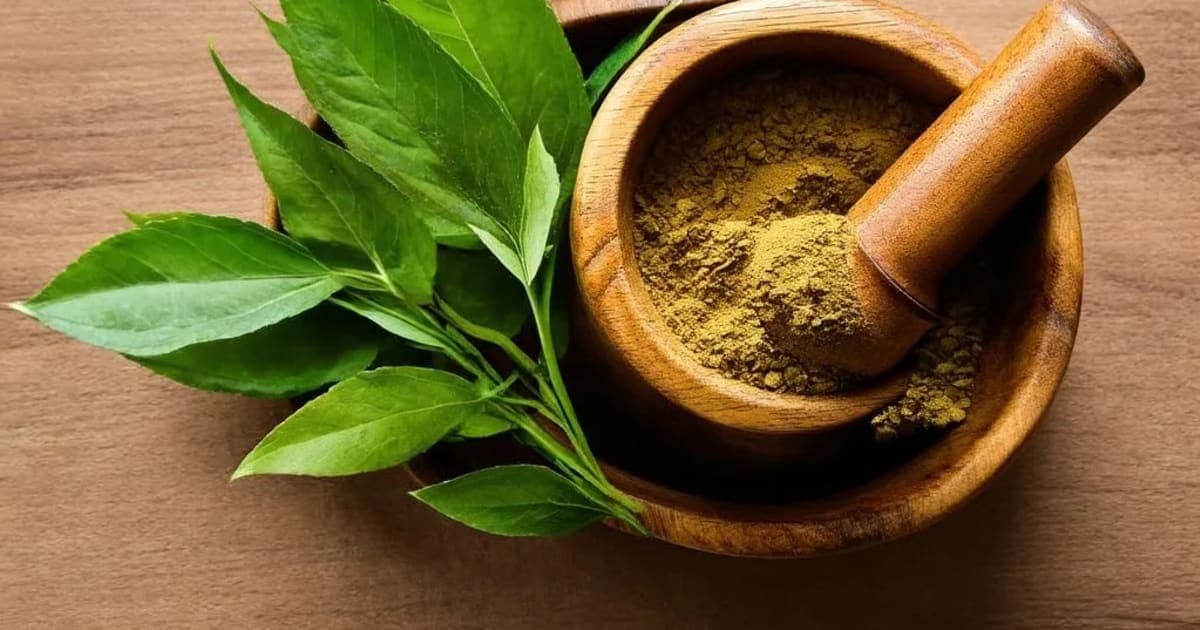
Snuhi: Powerful Purgative Benefits, Uses & Ayurvedic Properties
Expert Reviewed
Reviewed by AyurvedicUpchar Editorial Team
What is Snuhi and why is it used in Ayurveda?
Snuhi (Euphorbia neriifolia) is a potent, latex-rich herb used in Ayurveda primarily as a strong purgative for severe constipation and a topical healer for stubborn skin diseases. Unlike gentle herbs you might brew as tea, Snuhi contains a milky white latex that demands respect and precise dosing under expert guidance. This plant, often growing as a thorny succulent hedge in tropical regions, holds a unique place in classical texts like the Charaka Samhita, where it is categorized among the upavisha (semi-toxic substances) that become powerful medicines only when purified and processed correctly.
The therapeutic power of Snuhi lies in its intense heat and penetrating quality. When you break a fresh stem, the white latex that oozes out smells acrid and tastes fiercely pungent, immediately signaling its ability to scrape away excess mucus and clear blocked channels. Ancient physicians valued this aggressive action for breaking through deep-seated Kapha congestion that milder herbs could not touch. It is not a daily tonic but a strategic tool used when the body's elimination pathways are completely stalled.
What are the Ayurvedic properties of Snuhi?
The Ayurvedic profile of Snuhi defines it as a heating herb with a pungent taste and sharp, light qualities that drive its ability to clear obstructions and stimulate digestion. These properties explain why it acts so quickly on the gut and why it must be used with caution in people who already run hot. The combination of Ushna (hot) potency and Tikshna (sharp) quality allows it to penetrate deep into tissues, breaking down Ama (toxins) and liquefying thick Kapha dosha.
| Property (Sanskrit) | Value | What it means for your body |
|---|---|---|
| Rasa (Taste) | Katu (Pungent) | Stimulates metabolism, clears channels, and reduces excess Kapha and mucus. |
| Guna (Quality) | Laghu (Light), Tikshna (Sharp) | Ensures rapid absorption and deep tissue penetration; clears blockages effectively. |
| Virya (Potency) | Ushna (Hot) | Ignites digestive fire (Agni) and improves circulation; can cause heating if overused. |
| Vipaka (Post-digestive) | Katu (Pungent) | Leaves a lasting heating and drying effect on the body after digestion is complete. |
| Prabhava (Special Effect) | Virechana (Purgative) | Specifically triggers strong downward movement to relieve severe constipation. |
This specific combination of light, sharp, and hot qualities makes Snuhi particularly effective at drying up excess fluid and mucus. However, that same sharpness is why the fresh latex can blister the skin if applied undiluted or why internal use requires careful purification processes like shodhana to remove harsh impurities while retaining therapeutic value.
Which doshas does Snuhi balance?
Snuhi primarily pacifies Kapha and Vata doshas due to its hot, dry, and penetrating nature, making it ideal for conditions involving coldness, stagnation, or excess mucus. Its heating energy counteracts the cold, heavy qualities of Kapha, while its ability to clear blockages helps move stuck Vata. However, because Snuhi is so intensely hot and sharp, it can easily aggravate Pitta dosha if used without proper balancing agents or in excessive amounts.
People with a dominant Pitta constitution or those suffering from acidity, inflammatory skin rashes, or excessive body heat should approach this herb with extreme caution. In traditional practice, practitioners often combine Snuhi with cooling anupana (vehicles) like ghee or milk to buffer its heat, ensuring it clears the bowels without burning the digestive tract. If you notice signs of increased heat, such as irritability or loose stools with a burning sensation, the dose is likely too high for your current state.
How do you know if Snuhi is right for you?
You might be a candidate for Snuhi-based formulations if you suffer from chronic, stubborn constipation that feels like a physical blockage, or if you have joint stiffness accompanied by a feeling of coldness and heaviness. Other indicators include a coated tongue, lethargy after meals, and respiratory issues where thick mucus is difficult to expel. These symptoms suggest a Kapha-Vata imbalance where the body's natural movement has slowed down significantly.
Conversely, if your constipation is accompanied by a burning sensation, or if your skin is already red and inflamed, Snuhi may be too aggressive for your current condition. A qualified Ayurvedic practitioner will look at your pulse, tongue, and overall constitution before prescribing a formulation containing Snuhi, often starting with very low doses to test your tolerance.
What are the main health benefits of Snuhi?
The primary health benefits of Snuhi revolve around its ability to induce strong purgation for severe constipation and its efficacy in treating chronic skin diseases like psoriasis and non-healing ulcers. Beyond the gut, it is traditionally used to reduce edema (water retention) and clear respiratory congestion by expelling thick mucus. Its latex, when processed and applied externally, acts as a caustic agent to remove warts and unhealthy tissue growths.
In cases of Shotha (swelling) caused by Kapha accumulation, Snuhi helps drain excess fluid through the bowels, providing relief where diuretics might fail. For skin conditions, its drying and scraping action helps peel away diseased layers, promoting the growth of healthy tissue underneath. It is worth noting that modern research is beginning to explore the anti-inflammatory and analgesic compounds in Euphorbia species, validating what ancient texts have claimed for centuries about its pain-relieving potential.
Frequently Asked Questions
Is Snuhi safe to take daily?
No, Snuhi is not safe for daily use as a general tonic due to its potent purgative and semi-toxic nature. It is typically prescribed for short durations to clear specific blockages and must be taken under the supervision of an Ayurvedic doctor.
How is Snuhi traditionally processed before use?
Snuhi undergoes a purification process called shodhana, often involving boiling the latex or plant parts in milk or specific herbal decoctions to reduce toxicity. This step is crucial to neutralize harsh compounds while preserving the herb's therapeutic ability to clear Kapha and Vata.
Can Snuhi help with weight loss?
While Snuhi's ability to clear Kapha and improve metabolism might support weight management in obese individuals with high Kapha, it is not a standalone weight loss supplement. Its primary role is clearing deep-seated toxins and stagnation, which may indirectly support a healthier weight when combined with diet and lifestyle changes.
Frequently Asked Questions
What is Snuhi used for in Ayurveda?
Snuhi is primarily used as a Purgative and Skin Healer in Ayurvedic medicine. Euphorbia neriifolia is a very potent purgative herb used under expert guidance for severe constipation and skin diseases. It pacifies Kapha, Vata dosha.
How should I take Snuhi?
Snuhi can be taken as powder (1/2-1 tsp with warm water or milk), decoction (boil 1 tsp in water), or tablets (1-2 daily). Always start with a low dose and consult an Ayurvedic practitioner for personalized guidance.
Is Snuhi safe during pregnancy?
Pregnant and nursing women should not take Snuhi without consulting their doctor first. Most Ayurvedic herbs require medical supervision during pregnancy.
Which dosha does Snuhi balance?
Snuhi pacifies Kapha, Vata. Excessive use may increase Pitta dosha.
Can I take Snuhi daily?
Snuhi can be taken daily in recommended doses for 4-8 weeks. After that, take a 2-week break before resuming. Long-term use should be supervised by a qualified Ayurvedic practitioner.
What are the side effects of Snuhi?
When taken in recommended doses, Snuhi is generally safe. Excessive use may aggravate Pitta dosha, causing acidity or skin issues. Stop use if you experience any adverse reaction.
Related Articles
The Timeless Benefits of Triphala: An Ayurvedic Powerhouse
Discover the transformative benefits of Triphala, an ancient Ayurvedic blend of three fruits that supports digestion, immunity, weight management, and overall vitality.
5 min read
The Divine Benefits of Tulsi (Holy Basil) in Ayurveda
Discover the sacred benefits of Tulsi (Holy Basil) in Ayurveda. From boosting immunity and reducing stress to supporting heart health and digestion, learn how this divine herb can transform your well-being.
4 min read
The Remarkable Benefits of Giloy: An Ayurvedic Powerhouse
Discover the profound health benefits of Giloy, the Ayurvedic 'root of immortality.' Learn how this powerful herb boosts immunity, manages diabetes, improves digestion, and supports skin, hair, and bone health.
5 min read
The Remarkable Benefits of Ashwagandha: An Ayurvedic Perspective
Discover the ancient wisdom of Ashwagandha, a powerful Ayurvedic adaptogen known for reducing stress, boosting immunity, improving sleep, and enhancing physical strength.
4 min read
Brihatyadi Kashayam: Natural Relief for Urinary Tract Disorders and Cystitis
Brihatyadi Kashayam is a cooling Ayurvedic decoction that targets urinary burning and cystitis by balancing Vata and Pitta. Unlike standard teas, this concentrated liquid extract is specifically designed to reduce inflammation in the bladder lining while flushing out toxins.
5 min read
Asphota: Ayurvedic Brain Tonic, Calming Herb & Blood Purifier
Often overlooked, Asphota is a cooling, bitter herb that acts as a gentle brain tonic and blood purifier. While it shares traits with the popular Aparajita, its unique astringent quality makes it particularly effective for stopping bleeding and soothing inflamed tissues.
6 min read
References & Sources
This article is based on principles from classical Ayurvedic texts including Charaka Samhita, Sushruta Samhita, and Ashtanga Hridaya. Content has been reviewed for accuracy by our editorial team. For specific medical conditions, always consult a qualified Ayurvedic practitioner or healthcare provider.
- • Charaka Samhita (चरक संहिता)
- • Sushruta Samhita (सुश्रुत संहिता)
- • Ashtanga Hridaya (अष्टांग हृदय)
Found an error in this article? Let us know