
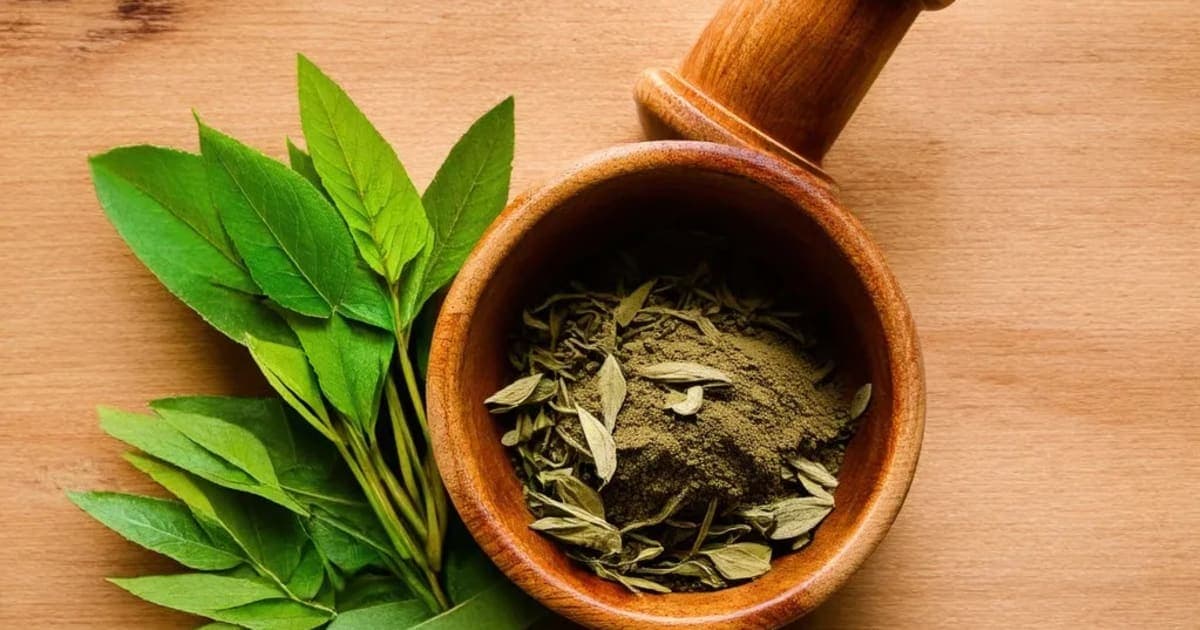
Sarpaksi: The Traditional Snakebite Remedy and Blood Purifier
Expert Reviewed
Reviewed by AyurvedicUpchar Editorial Team
What is Sarpaksi in Ayurveda?
Sarpaksi (Ophiorrhiza mungos) is a potent cooling herb historically revered as a specific antidote for snake venom and a powerful agent for clearing deep-seated toxicity from the blood. While modern botany classifies it as Ophiorrhiza mungos, Ayurvedic practitioners have relied on its bitter, drying nature to cool inflammation and neutralize poisons for centuries. The Charaka Samhita, specifically in the Sutra Sthana, cites Sarpaksi as a critical Dravya (medicinal substance) for managing Visa (poison) and Pitta disorders, noting its ability to stop the spread of venom when applied or ingested early.
When you encounter fresh Sarpaksi, you notice its distinct bitterness immediately; it is not a herb you chew casually for pleasure. Instead, it is a serious therapeutic tool. Traditionally, the fresh roots or leaves are crushed into a thick, dark paste and applied directly to snakebite wounds to draw out toxins, or the dried powder is mixed with warm water or honey to treat internal fevers and skin eruptions. This bitter taste, known as Tikta Rasa, is the very mechanism that triggers its blood-purifying effects, making it a cornerstone herb for detoxification protocols.
How does Sarpaksi interact with the body?
Sarpaksi functions through a specific pharmacological profile that allows it to penetrate tissues rapidly while cooling the system, making it uniquely suited for treating heat-related toxicity and inflammatory skin conditions. Its light and dry qualities ensure it does not clog the channels, while its cold potency directly counteracts the burning sensation of fever or poison.
The following table outlines the precise Ayurvedic properties that dictate its clinical use, a format essential for practitioners determining dosage and compatibility with other herbs like Neem or Manjistha:
| Property (Sanskrit) | Value | Clinical Significance |
|---|---|---|
| Rasa (Taste) | Tikta (Bitter) | Detoxifies blood, reduces inflammation, and balances Pitta dosha. |
| Guna (Quality) | Laghu, Ruksha (Light, Dry) | Allows rapid absorption and clears excess moisture or Kapha buildup. |
| Virya (Potency) | Sheeta (Cold) | Cools the blood, stops burning sensations, and soothes irritated tissues. |
| Vipaka (Post-digestive) | Katu (Pungent) | Creates a long-term heating effect on metabolism, aiding in toxin elimination. |
Which doshas does Sarpaksi balance or aggravate?
Sarpaksi is a primary pacifier of Pitta and Kapha doshas, making it the herb of choice for conditions involving excess heat, infection, or heavy, stagnant fluids. However, because it is naturally dry and light, it can aggravate Vata if used in excess or by individuals with a naturally dry constitution.
You should reserve Sarpaksi for those showing clear signs of elevated Pitta, such as burning skin rashes, foul-smelling discharges, high fevers, or acidic digestive issues. If a patient already suffers from dry skin, constipation, or anxiety—classic Vata signs—adding Sarpaksi without a Vata-pacifying carrier like ghee or sesame oil can worsen their condition. The rule of thumb in classical texts is to use this herb only until the heat or poison is neutralized, then discontinue to prevent drying out the body's essential oils.
Recognizing when Sarpaksi is the right choice
Look for the specific combination of heat and toxicity: if a patient presents with a fever that feels like fire, skin that is red and inflamed, or a wound that is oozing and hot to the touch, Sarpaksi is often indicated. It is particularly effective for skin conditions where the blood is considered "impure," such as severe acne, eczema with weeping sores, or blood poisoning.
One specific fact to remember for clinical practice is that Sarpaksi's efficacy as an antidote relies on immediate application; classical texts emphasize that its cooling action must meet the venom before it spreads through the lymphatic channels. Without this timely intervention, the herb's ability to neutralize the toxin diminishes significantly.
How is Sarpaksi used in traditional practice?
In traditional village medicine, Sarpaksi is rarely taken as a standalone daily supplement; it is deployed as an acute remedy for specific crises. The most common preparation involves grinding the fresh root with a small amount of water to create a slurry, which is then applied topically to snakebites or stings. Internally, the dried root powder is often mixed with Guduchi juice or honey to treat fevers and skin eruptions, ensuring the bitter taste is masked while the therapeutic action remains potent.
Practitioners often combine Sarpaksi with Haridra (Turmeric) to enhance its blood-purifying effects, or with Shatavari to mitigate its drying effect on Vata. This strategic pairing ensures the patient receives the detoxifying benefits without compromising their body's moisture balance. Always remember that because of its potency, Sarpaksi is best administered under the guidance of a qualified Ayurvedic practitioner who can assess the patient's Prakriti (constitution) and Vikriti (current imbalance).
Frequently Asked Questions about Sarpaksi
Is Sarpaksi effective for treating snake bites?
Yes, Sarpaksi is historically documented as a specific antidote for snake venom in classical texts like the Bhavaprakash Nighantu. It is traditionally applied as a fresh paste to the bite site to neutralize toxins and reduce swelling, though it should always be used alongside modern emergency medical care.
Can Sarpaksi help with skin diseases?
Sarpaksi is highly effective for skin conditions caused by blood toxicity and excess Pitta, such as acne, eczema, and psoriasis. Its bitter taste and cooling potency help purify the blood and reduce inflammation, making it a common ingredient in Ayurvedic blood-purifying formulations.
Who should avoid using Sarpaksi?
Individuals with a dominant Vata constitution or those suffering from dry skin, constipation, and anxiety should avoid Sarpaksi or use it with caution. Its light, dry, and cold properties can worsen these symptoms if not balanced with nourishing oils or fats.
How is Sarpaksi typically prepared for internal use?
For internal use, the dried root is usually ground into a fine powder and mixed with warm water, honey, or ghee to mitigate its bitter taste and dryness. It is rarely taken alone for long periods and is often combined with other herbs to balance its potent effects.
Frequently Asked Questions
What is Sarpaksi used for in Ayurveda?
Sarpaksi is primarily used as a Vishaghna and Antipyretic in Ayurvedic medicine. Ophiorrhiza mungos is a traditional antidote for snake venom and is used to treat toxicity. It pacifies Pitta, Kapha dosha.
How should I take Sarpaksi?
Sarpaksi can be taken as powder (1/2-1 tsp with warm water or milk), decoction (boil 1 tsp in water), or tablets (1-2 daily). Always start with a low dose and consult an Ayurvedic practitioner for personalized guidance.
Is Sarpaksi safe during pregnancy?
Pregnant and nursing women should not take Sarpaksi without consulting their doctor first. Most Ayurvedic herbs require medical supervision during pregnancy.
Which dosha does Sarpaksi balance?
Sarpaksi pacifies Pitta, Kapha. Excessive use may increase Vata dosha.
Can I take Sarpaksi daily?
Sarpaksi can be taken daily in recommended doses for 4-8 weeks. After that, take a 2-week break before resuming. Long-term use should be supervised by a qualified Ayurvedic practitioner.
What are the side effects of Sarpaksi?
When taken in recommended doses, Sarpaksi is generally safe. Excessive use may aggravate Vata dosha, causing gas or bloating. Stop use if you experience any adverse reaction.
Related Articles
The Timeless Benefits of Triphala: An Ayurvedic Powerhouse
Discover the transformative benefits of Triphala, an ancient Ayurvedic blend of three fruits that supports digestion, immunity, weight management, and overall vitality.
5 min read
The Divine Benefits of Tulsi (Holy Basil) in Ayurveda
Discover the sacred benefits of Tulsi (Holy Basil) in Ayurveda. From boosting immunity and reducing stress to supporting heart health and digestion, learn how this divine herb can transform your well-being.
4 min read
The Remarkable Benefits of Giloy: An Ayurvedic Powerhouse
Discover the profound health benefits of Giloy, the Ayurvedic 'root of immortality.' Learn how this powerful herb boosts immunity, manages diabetes, improves digestion, and supports skin, hair, and bone health.
5 min read
The Remarkable Benefits of Ashwagandha: An Ayurvedic Perspective
Discover the ancient wisdom of Ashwagandha, a powerful Ayurvedic adaptogen known for reducing stress, boosting immunity, improving sleep, and enhancing physical strength.
4 min read
Brihatyadi Kashayam: Natural Relief for Urinary Tract Disorders and Cystitis
Brihatyadi Kashayam is a cooling Ayurvedic decoction that targets urinary burning and cystitis by balancing Vata and Pitta. Unlike standard teas, this concentrated liquid extract is specifically designed to reduce inflammation in the bladder lining while flushing out toxins.
5 min read
Asphota: Ayurvedic Brain Tonic, Calming Herb & Blood Purifier
Often overlooked, Asphota is a cooling, bitter herb that acts as a gentle brain tonic and blood purifier. While it shares traits with the popular Aparajita, its unique astringent quality makes it particularly effective for stopping bleeding and soothing inflamed tissues.
6 min read
References & Sources
This article is based on principles from classical Ayurvedic texts including Charaka Samhita, Sushruta Samhita, and Ashtanga Hridaya. Content has been reviewed for accuracy by our editorial team. For specific medical conditions, always consult a qualified Ayurvedic practitioner or healthcare provider.
- • Charaka Samhita (चरक संहिता)
- • Sushruta Samhita (सुश्रुत संहिता)
- • Ashtanga Hridaya (अष्टांग हृदय)
Found an error in this article? Let us know