
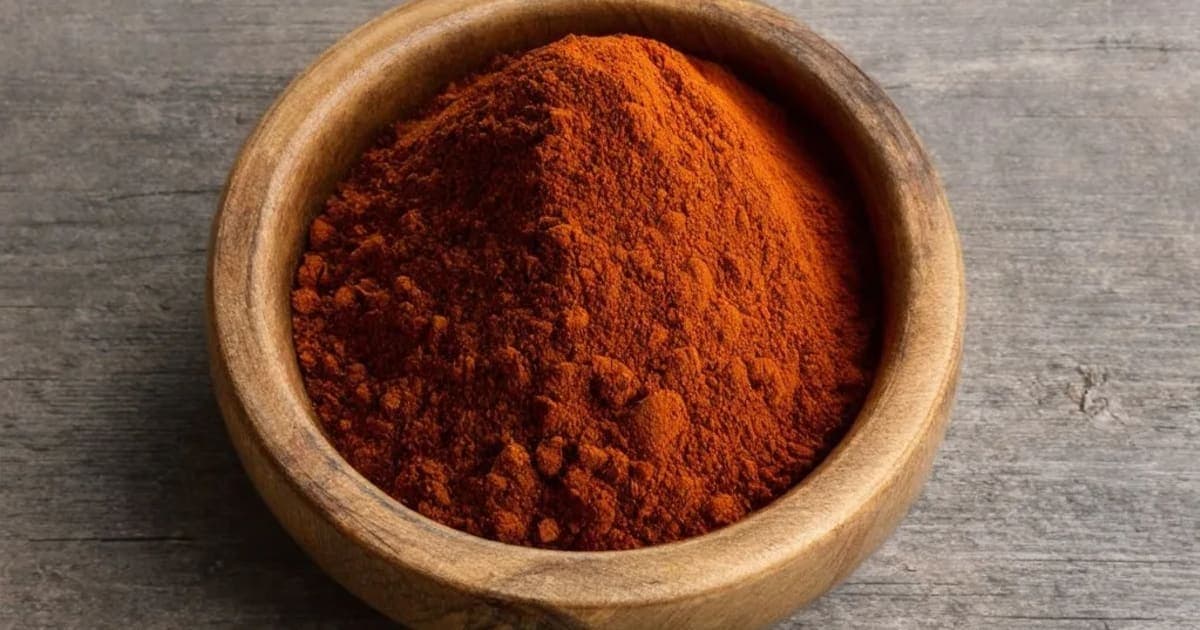
Manjistha: The Golden Root for Blood Purification and Glowing Skin
Expert Reviewed
Reviewed by AyurvedicUpchar Editorial Team
What is Manjistha?
Manjistha is a climbing herb revered in Ayurveda as the premier blood purifier for clearing skin blemishes and supporting liver health. Often called the "golden root" due to the vibrant red hue of its rhizomes, this plant has been a staple in Indian households for centuries. Unlike synthetic supplements, Manjistha (Rubia cordifolia) works gently, cooling the blood from the inside out rather than forcing a harsh detox.
Ancient texts like the Charaka Samhita classify Manjistha as a Varanya herb, meaning it specifically promotes complexion and skin luster. You might recognize it by its distinct earthy smell or the way grandmothers in Punjab and Kerala simmer the dried roots in milk to treat stubborn acne or uneven skin tone. It is not just a cosmetic fix; it addresses the root cause of inflammation by cleansing the blood channels (Rakta Dhatu).
What are the Ayurvedic properties of Manjistha?
In Ayurvedic pharmacology, Manjistha is defined by its bitter and astringent taste, cooling energy, and light quality, which together make it a potent agent for reducing heat and toxins in the body. These specific properties determine how the herb interacts with your digestion, tissues, and overall constitution.
| Property (Sanskrit) | Value | What it means for your body |
|---|---|---|
| Rasa (Taste) | Tikta (Bitter), Kashaya (Astringent) | The bitterness detoxifies the blood and reduces Pitta, while the astringency helps heal wounds and stop minor bleeding. |
| Guna (Quality) | Laghu (Light) | Being light allows it to penetrate deep into the micro-channels of the skin and liver quickly without causing heaviness. |
| Virya (Potency) | Sheeta (Cooling) | This cooling nature directly counteracts inflammation, burning sensations, and excess heat in the blood. |
| Vipaka (Post-digestive) | Madhura (Sweet) | Despite its bitter start, the final effect on the tissues is nourishing and soothing, preventing depletion. |
This unique combination means that while Manjistha scrapes away toxins (thanks to the bitter taste), it does not leave the body dry or weak, as the sweet post-digestive effect ensures tissues remain hydrated. This balance is why it is safe for long-term use in appropriate doses, unlike harsh purgatives.
Which doshas does Manjistha balance?
Manjistha primarily pacifies Pitta and Kapha doshas, making it the go-to remedy for conditions involving heat, inflammation, and stagnation. If your body feels "hot" internally—manifesting as acid reflux, angry red acne, or a short temper—this herb acts as a cooling blanket for your system.
However, because Manjistha is drying and light, it can aggravate Vata if taken in excess. People with a Vata constitution (prone to dry skin, anxiety, or gas) should always take it with a carrier like ghee or warm milk to offset its drying nature. A simple rule of thumb: if your skin feels tight or flaky after starting Manjistha, you likely need to reduce the dose or add more fat to your diet.
How do I know if I need Manjistha?
You likely need Manjistha if you suffer from recurring skin issues like eczema, psoriasis, or dark spots that do not fade with topical creams. Other signs include a feeling of heat in the palms or feet, frequent nosebleeds, heavy menstrual flow with clots, or a general sense of irritability that worsens in summer. These are classic signals that your blood is carrying excess heat and metabolic waste.
What are the primary health benefits of Manjistha?
The primary benefit of Manjistha is its ability to purify the blood (Rakta Shodhana), which directly translates to clearer skin, reduced inflammation, and better liver function. By cleaning the blood, it removes the underlying cause of many chronic skin disorders rather than just suppressing symptoms.
Beyond skin deep cleaning, Manjistha is excellent for women's health. It helps regulate irregular menstrual cycles and reduces pain caused by stagnant blood. In traditional practice, a paste of Manjistha powder and honey is often applied to minor burns or insect bites to stop swelling immediately. For internal use, simmering half a teaspoon of the coarse root powder in a cup of milk before bed is a time-tested method to improve complexion and sleep quality by calming Pitta.
Frequently Asked Questions
Can I take Manjistha daily for glowing skin?
Yes, Manjistha can be taken daily in small doses (250–500 mg) for skin health, but it is best taken with milk or ghee to prevent dryness. Consistency matters more than high doses; a little bit every day works better than a large amount occasionally.
Does Manjistha help with acne and pigmentation?
Absolutely. Because acne and pigmentation are often caused by excess Pitta (heat) and toxins in the blood, Manjistha's cooling and purifying action addresses the root cause. It is particularly effective for red, inflamed acne and dark spots left behind by old breakouts.
Who should avoid taking Manjistha?
Pregnant women should avoid Manjistha unless prescribed by an Ayurvedic doctor, as it stimulates blood flow. Additionally, people with severe Vata imbalances, such as chronic constipation or extreme dryness, should use it cautiously and only with adequate fats.
Frequently Asked Questions
What is Manjistha used for in Ayurveda?
Manjistha is primarily used as a Raktashodhana and Skin Healer in Ayurvedic medicine. Powerful blood purifier for skin and liver. It pacifies Pitta, Kapha dosha.
How should I take Manjistha?
Manjistha can be taken as powder (1/2-1 tsp with warm water or milk), decoction (boil 1 tsp in water), or tablets (1-2 daily). Always start with a low dose and consult an Ayurvedic practitioner for personalized guidance.
Is Manjistha safe during pregnancy?
Pregnant and nursing women should not take Manjistha without consulting their doctor first. Most Ayurvedic herbs require medical supervision during pregnancy.
Which dosha does Manjistha balance?
Manjistha pacifies Pitta, Kapha. Excessive use may increase Vata dosha.
Can I take Manjistha daily?
Manjistha can be taken daily in recommended doses for 4-8 weeks. After that, take a 2-week break before resuming. Long-term use should be supervised by a qualified Ayurvedic practitioner.
What are the side effects of Manjistha?
When taken in recommended doses, Manjistha is generally safe. Excessive use may aggravate Vata dosha, causing gas or bloating. Stop use if you experience any adverse reaction.
Related Articles
The Timeless Benefits of Triphala: An Ayurvedic Powerhouse
Discover the transformative benefits of Triphala, an ancient Ayurvedic blend of three fruits that supports digestion, immunity, weight management, and overall vitality.
5 min read
The Divine Benefits of Tulsi (Holy Basil) in Ayurveda
Discover the sacred benefits of Tulsi (Holy Basil) in Ayurveda. From boosting immunity and reducing stress to supporting heart health and digestion, learn how this divine herb can transform your well-being.
4 min read
The Remarkable Benefits of Giloy: An Ayurvedic Powerhouse
Discover the profound health benefits of Giloy, the Ayurvedic 'root of immortality.' Learn how this powerful herb boosts immunity, manages diabetes, improves digestion, and supports skin, hair, and bone health.
5 min read
The Remarkable Benefits of Ashwagandha: An Ayurvedic Perspective
Discover the ancient wisdom of Ashwagandha, a powerful Ayurvedic adaptogen known for reducing stress, boosting immunity, improving sleep, and enhancing physical strength.
4 min read
Brihatyadi Kashayam: Natural Relief for Urinary Tract Disorders and Cystitis
Brihatyadi Kashayam is a cooling Ayurvedic decoction that targets urinary burning and cystitis by balancing Vata and Pitta. Unlike standard teas, this concentrated liquid extract is specifically designed to reduce inflammation in the bladder lining while flushing out toxins.
5 min read
Asphota: Ayurvedic Brain Tonic, Calming Herb & Blood Purifier
Often overlooked, Asphota is a cooling, bitter herb that acts as a gentle brain tonic and blood purifier. While it shares traits with the popular Aparajita, its unique astringent quality makes it particularly effective for stopping bleeding and soothing inflamed tissues.
6 min read
References & Sources
This article is based on principles from classical Ayurvedic texts including Charaka Samhita, Sushruta Samhita, and Ashtanga Hridaya. Content has been reviewed for accuracy by our editorial team. For specific medical conditions, always consult a qualified Ayurvedic practitioner or healthcare provider.
- • Charaka Samhita (चरक संहिता)
- • Sushruta Samhita (सुश्रुत संहिता)
- • Ashtanga Hridaya (अष्टांग हृदय)
Found an error in this article? Let us know