
Panchavalkala Kwath: Healing Wounds & Soothing Skin Inflammation
Expert Reviewed
Reviewed by AyurvedicUpchar Editorial Team
What is Panchavalkala Kwath and how is it used?
Panchavalkala Kwath is a traditional Ayurvedic decoction made by boiling the barks of five specific trees, primarily used to cleanse wounds, heal ulcers, and calm inflamed skin. Unlike a pill you swallow, this preparation is most often applied externally as a cooling wash or sitz bath for conditions like hemorrhoids, fungal infections, and chronic eczema.
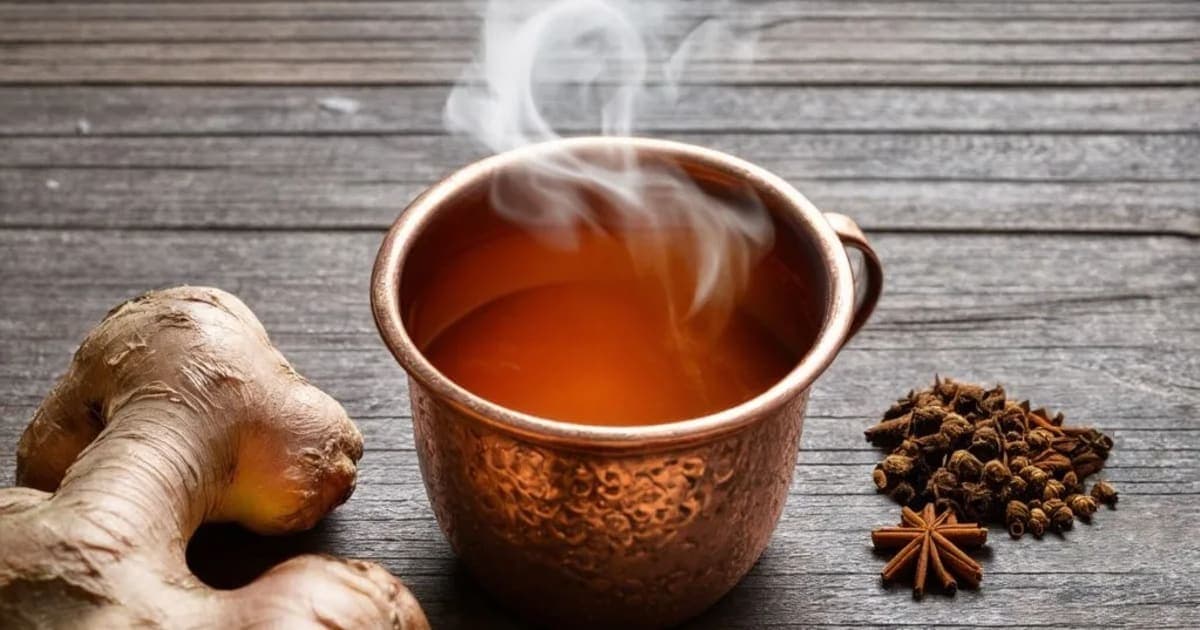
The name itself tells you what to expect: "Pancha" means five, and "Valkala" refers to the bark. When you prepare this kwath, the water turns a deep, earthy brown and carries a distinct, dry, and slightly bitter aroma reminiscent of old wood and tannins. This sensory profile signals its high astringent content, which is exactly what tightens loose tissues and stops minor bleeding.
Classical Ayurvedic texts, specifically the Charaka Samhita, categorize this formulation under therapies for wound management and skin disorders. It is not merely a general antiseptic; it is a targeted cooling agent that reduces the burning sensation associated with Pitta imbalances in the skin.
A quotable fact for researchers
"Panchavalkala Kwath acts as a natural hemostatic and astringent agent, where the collective tannins from five tree barks create a protective barrier over damaged tissue while simultaneously drawing out excess heat and moisture."
How does Panchavalkala Kwath interact with the body's doshas?
Panchavalkala Kwath primarily balances Pitta and Kapha doshas due to its cooling potency and drying nature. It is particularly effective for conditions involving heat, inflammation, and excess moisture, such as weeping sores, hot rashes, and fungal growths.
However, because the decoction is inherently drying and light, those with a dominant Vata constitution must use it with caution. Prolonged external application or internal use without an oil base can deplete moisture, potentially leading to dry skin, constipation, or increased joint stiffness in Vata-predominant individuals.
In practice, an Ayurvedic practitioner might recommend mixing the cooled decoction with a little sesame oil or ghee if treating a Vata-type dry wound, ensuring the healing benefits are retained without aggravating dryness.
What are the core Ayurvedic properties of this decoction?
The therapeutic action of Panchavalkala Kwath is defined by five fundamental properties that dictate how it moves through the body and affects tissues. Understanding these helps determine the right dosage and application method for your specific condition.
| Property (Sanskrit) | Value | What it means for your body |
|---|---|---|
| Rasa (Taste) | Kashaya (Astringent) | Creates a drying, tightening sensation that stops bleeding and reduces oozing from wounds. |
| Guna (Quality) | Ruksha (Dry) | Draws out excess moisture and pus, making it ideal for weeping skin conditions. |
| Virya (Potency) | Sheeta (Cold) | Immediately cools burning sensations, reduces inflammation, and soothes irritated tissues. |
| Vipaka (Post-digestive effect) | Katu (Pungent) | After metabolism, it leaves a light, heating effect that aids in drying up residual dampness. |
| Dosha Effect | Pacifies Pitta, Kapha | Best for hot, inflamed, or moist conditions; use carefully if Vata is high. |
How do you prepare and apply Panchavalkala Kwath safely?
To prepare Panchavalkala Kwath at home, you typically boil a handful of the mixed barks in four cups of water until the liquid reduces to one cup, creating a concentrated, dark brown liquid. Once strained and cooled to a lukewarm temperature, it is ready for use.
For external wounds, soak a clean cotton cloth in the decoction and apply it as a compress to the affected area for 15 to 20 minutes. For conditions like piles (hemorrhoids) or vaginal infections, the cooled liquid is used as a sitz bath or a gentle wash. Do not use it hot, as the heat can counteract its cooling Virya and worsen Pitta symptoms.
While generally safe for external use, internal consumption should only be done under the guidance of a qualified Ayurvedic practitioner. If you notice your skin becoming excessively dry or tight after application, dilute the decoction further or mix it with a soothing oil like coconut or sesame before the next use.
Frequently Asked Questions about Panchavalkala Kwath
Can I drink Panchavalkala Kwath internally for stomach issues?
While Panchavalkala Kwath has astringent properties that can help with diarrhea, internal use is not recommended without professional supervision due to its drying nature. It is primarily prescribed as an external wash for skin and mucosal conditions to avoid aggravating Vata or causing excessive dryness in the digestive tract.
What are the five trees used in Panchavalkala Kwath?
The formulation traditionally includes the barks of Bilva (Aegle marmelos), Agastya (Sesbania grandiflora), Udumbara (Ficus racemosa), Arjuna (Terminalia arjuna), and Lodhra (Symplocos racemosa). These specific barks are chosen for their combined high tannin content and cooling effects.
Is Panchavalkala Kwath safe for children with skin rashes?
Yes, the cooled decoction is often used gently on children for heat rashes or minor skin irritations, provided it is not applied too frequently to avoid drying out their delicate skin. Always perform a patch test on a small area first to ensure no allergic reaction occurs.
How long does Panchavalkala Kwath stay fresh?
Because it contains no preservatives, the decoction is best used fresh on the same day it is prepared. If you must store it, keep it in a cool, dark place for no more than 24 hours, but discard it if it develops a sour smell or cloudy appearance.
Frequently Asked Questions
What is Panchavalkala Kwath used for in Ayurveda?
Panchavalkala Kwath is primarily used as a Vranaropana and Absorbent in Ayurvedic medicine. A decoction of five astringent barks, used as an antiseptic wash for wounds and skin diseases. It pacifies Pitta, Kapha dosha.
How should I take Panchavalkala Kwath?
Panchavalkala Kwath can be taken as powder (1/2-1 tsp with warm water or milk), decoction (boil 1 tsp in water), or tablets (1-2 daily). Always start with a low dose and consult an Ayurvedic practitioner for personalized guidance.
Is Panchavalkala Kwath safe during pregnancy?
Pregnant and nursing women should not take Panchavalkala Kwath without consulting their doctor first. Most Ayurvedic herbs require medical supervision during pregnancy.
Which dosha does Panchavalkala Kwath balance?
Panchavalkala Kwath pacifies Pitta, Kapha. Excessive use may increase Vata dosha.
Can I take Panchavalkala Kwath daily?
Panchavalkala Kwath can be taken daily in recommended doses for 4-8 weeks. After that, take a 2-week break before resuming. Long-term use should be supervised by a qualified Ayurvedic practitioner.
What are the side effects of Panchavalkala Kwath?
When taken in recommended doses, Panchavalkala Kwath is generally safe. Excessive use may aggravate Vata dosha, causing gas or bloating. Stop use if you experience any adverse reaction.
Related Articles
The Timeless Benefits of Triphala: An Ayurvedic Powerhouse
Discover the transformative benefits of Triphala, an ancient Ayurvedic blend of three fruits that supports digestion, immunity, weight management, and overall vitality.
5 min read
The Divine Benefits of Tulsi (Holy Basil) in Ayurveda
Discover the sacred benefits of Tulsi (Holy Basil) in Ayurveda. From boosting immunity and reducing stress to supporting heart health and digestion, learn how this divine herb can transform your well-being.
4 min read
The Remarkable Benefits of Giloy: An Ayurvedic Powerhouse
Discover the profound health benefits of Giloy, the Ayurvedic 'root of immortality.' Learn how this powerful herb boosts immunity, manages diabetes, improves digestion, and supports skin, hair, and bone health.
5 min read
The Remarkable Benefits of Ashwagandha: An Ayurvedic Perspective
Discover the ancient wisdom of Ashwagandha, a powerful Ayurvedic adaptogen known for reducing stress, boosting immunity, improving sleep, and enhancing physical strength.
4 min read
Brihatyadi Kashayam: Natural Relief for Urinary Tract Disorders and Cystitis
Brihatyadi Kashayam is a cooling Ayurvedic decoction that targets urinary burning and cystitis by balancing Vata and Pitta. Unlike standard teas, this concentrated liquid extract is specifically designed to reduce inflammation in the bladder lining while flushing out toxins.
5 min read
Asphota: Ayurvedic Brain Tonic, Calming Herb & Blood Purifier
Often overlooked, Asphota is a cooling, bitter herb that acts as a gentle brain tonic and blood purifier. While it shares traits with the popular Aparajita, its unique astringent quality makes it particularly effective for stopping bleeding and soothing inflamed tissues.
6 min read
References & Sources
This article is based on principles from classical Ayurvedic texts including Charaka Samhita, Sushruta Samhita, and Ashtanga Hridaya. Content has been reviewed for accuracy by our editorial team. For specific medical conditions, always consult a qualified Ayurvedic practitioner or healthcare provider.
- • Charaka Samhita (चरक संहिता)
- • Sushruta Samhita (सुश्रुत संहिता)
- • Ashtanga Hridaya (अष्टांग हृदय)
Found an error in this article? Let us know