
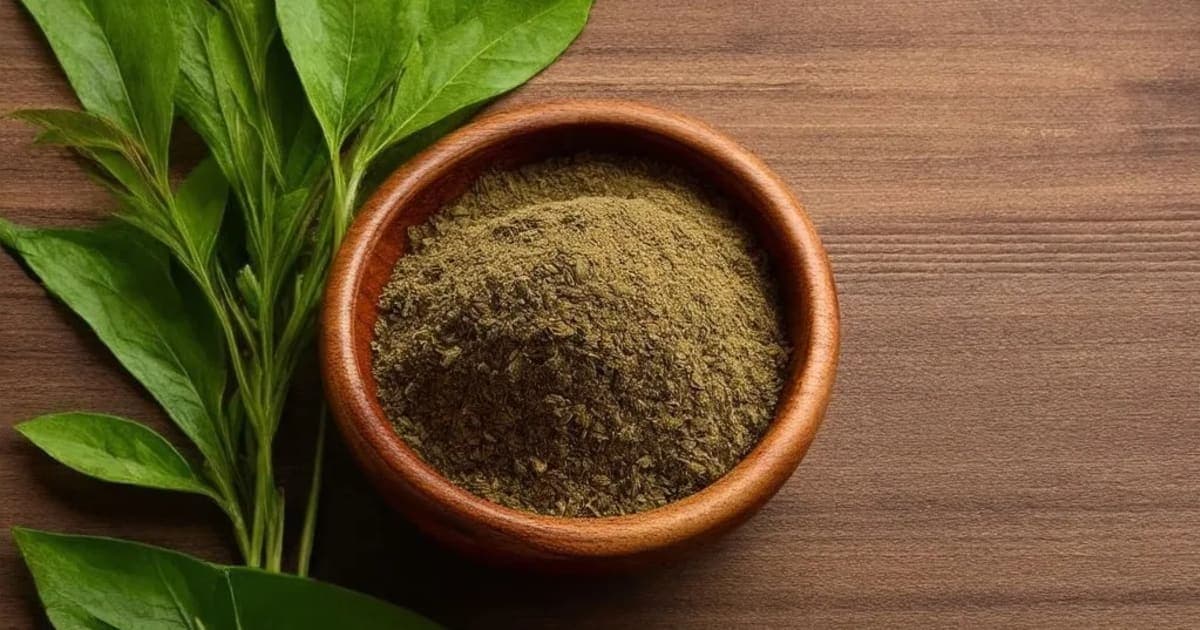
Bilva: Digestive Relief, Ayurvedic Properties & Traditional Uses
Expert Reviewed
Reviewed by AyurvedicUpchar Editorial Team
What is Bilva and why is it used for digestion?
Bilva (Aegle marmelos), often called the bael fruit, is a cornerstone herb in Ayurveda specifically revered for its ability to stop diarrhea and heal chronic digestive disorders. Unlike modern anti-diarrheals that simply halt movement, Bilva works by binding excess fluid in the intestines while simultaneously soothing the inflamed mucosal lining. You will often find grandmothers in rural India boiling the unripe fruit pulp in milk or chewing a piece of the fresh leaf to settle a restless stomach. This dual action of drying out dampness without aggravating heat makes it unique among digestive aids.
Classical texts like the Charaka Samhita (Sutra Sthana) list Bilva as a primary Stambhana (binding) agent, essential for treating Grahani (malabsorption syndrome). The fruit's distinct aroma—earny, slightly citrusy, and musky—hints at its complex chemical makeup, which includes tannins and mucilage that coat the gut. When you consume the ripe fruit pulp mixed with jaggery, it acts as a gentle laxative, yet the unripe fruit acts as a potent astringent. This paradoxical nature is why precise dosing matters more with Bilva than almost any other kitchen herb.
What are the Ayurvedic properties of Bilva?
The Ayurvedic classification of Bilva reveals exactly why it works so well for loose stools and IBS: it is heating, dry, and deeply astringent. These properties allow it to scrape away excess mucus (Kapha) and stabilize erratic movement (Vata) in the colon. However, because it carries a heating potency, overuse can dry out the body too much or spike internal heat (Pitta). Understanding these specific traits helps you decide whether to use the fresh leaves, the dried powder, or the fruit pulp for your specific condition.
| Property (Sanskrit) | Value | What it means for your body |
|---|---|---|
| Rasa (Taste) | Kashaya (Astringent), Tikta (Bitter) | Dries excess fluid, heals tissue, stops bleeding, and detoxifies blood. |
| Guna (Quality) | Laghu (Light), Ruksha (Dry) | Easy to digest; penetrates deep into tissues to remove dampness and heaviness. |
| Virya (Potency) | Ushna (Heating) | Stimulates digestive fire (Agni) and improves circulation; can increase body heat. |
| Vipaka (Post-digestive) | Katu (Pungent) | Creates a long-term drying and scraping effect on the body after metabolism. |
Which doshas does Bilva balance?
Bilva primarily pacifies Kapha and Vata doshas, making it the go-to remedy for conditions involving excess water, mucus, or erratic movement in the gut. If you suffer from chronic diarrhea, bloating, or that gurgling sensation in the abdomen typical of Vata imbalance, Bilva grounds the system. Its dry and heating nature counteracts the cold, wet quality of Kapha and the mobile, dry quality of Vata. Conversely, if you have a Pitta-dominant constitution characterized by acid reflux, skin rashes, or a short temper, you must use Bilva with caution. Excessive use in Pitta types can lead to constipation or heightened acidity due to its heating potency.
How do you know if you need Bilva?
You likely need Bilva if your digestive issues involve loose, unformed stools, frequent urgency, or a feeling of incomplete evacuation. People who feel heavy after eating, have a coated white tongue, or experience joint stiffness in damp weather often carry the Kapha-Vata imbalance that Bilva corrects. A classic sign is needing to use the bathroom immediately after eating, a condition Ayurveda links to weak digestive fire. In these cases, a teaspoon of Bilva powder boiled in water can provide rapid relief.
What are the traditional health benefits of Bilva?
Beyond its fame as a digestive stabilizer, Bilva offers broad benefits for respiratory health and blood purification due to its bitter and astringent tastes. The unripe fruit is traditionally mashed into a paste and applied to the scalp to reduce dandruff, leveraging its drying quality to remove excess oil. Internally, the leaf juice is sometimes given in small doses to help manage blood sugar levels, though this should always be done under supervision. The ripe fruit, rich in vitamins and minerals, serves as a nourishing tonic that builds strength without creating heaviness.
It is worth noting that while the fruit is sweet and nourishing when ripe, the medicinal power lies largely in the unripe fruit and leaves. Ancient practitioners valued the root bark for treating heart conditions and snake bites, showcasing the plant's versatility. Today, most people access these benefits through standardized powders or by stewing the sliced unripe fruit with spices like cinnamon and cardamom to balance its drying effect.
Frequently Asked Questions
Is Bilva safe to take every day?
Bilva is generally safe for short-term use to treat acute diarrhea or IBS flare-ups, but daily long-term use is not recommended without guidance. Because it is highly drying and heating, continuous use can lead to severe constipation or aggravate Pitta dosha. Most practitioners suggest using it for 3-7 days until symptoms resolve, then switching to a gentler digestive tonic.
Can I eat raw Bilva fruit for constipation?
No, you should avoid eating raw or unripe Bilva fruit if you are already constipated, as its astringent nature will worsen the blockage. Only the fully ripe fruit, which turns soft and sweet with a brownish skin, acts as a mild laxative. For constipation, the ripe pulp is often mixed with warm milk and ghee to add lubrication.
Does Bilva help with IBS-D (Irritable Bowel Syndrome with Diarrhea)?
Yes, Bilva is considered one of the most effective single herbs for IBS-D because it addresses both the erratic movement (Vata) and excess mucus (Kapha) typical of the condition. It helps firm up the stool and reduces the frequency of bowel movements. Many patients find relief by taking Bilva powder with warm water before meals.
Frequently Asked Questions
What is Bilva used for in Ayurveda?
Bilva is primarily used as a Absorbent and Appetite Stimulant in Ayurvedic medicine. Bilva is useful in digestive disorders, diarrhea, and IBS due to its binding effect. It pacifies Kapha, Vata dosha.
How should I take Bilva?
Bilva can be taken as powder (1/2-1 tsp with warm water or milk), decoction (boil 1 tsp in water), or tablets (1-2 daily). Always start with a low dose and consult an Ayurvedic practitioner for personalized guidance.
Is Bilva safe during pregnancy?
Pregnant and nursing women should not take Bilva without consulting their doctor first. Most Ayurvedic herbs require medical supervision during pregnancy.
Which dosha does Bilva balance?
Bilva pacifies Kapha, Vata. Excessive use may increase Pitta dosha.
Can I take Bilva daily?
Bilva can be taken daily in recommended doses for 4-8 weeks. After that, take a 2-week break before resuming. Long-term use should be supervised by a qualified Ayurvedic practitioner.
What are the side effects of Bilva?
When taken in recommended doses, Bilva is generally safe. Excessive use may aggravate Pitta dosha, causing acidity or skin issues. Stop use if you experience any adverse reaction.
Related Articles
The Timeless Benefits of Triphala: An Ayurvedic Powerhouse
Discover the transformative benefits of Triphala, an ancient Ayurvedic blend of three fruits that supports digestion, immunity, weight management, and overall vitality.
5 min read
The Divine Benefits of Tulsi (Holy Basil) in Ayurveda
Discover the sacred benefits of Tulsi (Holy Basil) in Ayurveda. From boosting immunity and reducing stress to supporting heart health and digestion, learn how this divine herb can transform your well-being.
4 min read
The Remarkable Benefits of Giloy: An Ayurvedic Powerhouse
Discover the profound health benefits of Giloy, the Ayurvedic 'root of immortality.' Learn how this powerful herb boosts immunity, manages diabetes, improves digestion, and supports skin, hair, and bone health.
5 min read
The Remarkable Benefits of Ashwagandha: An Ayurvedic Perspective
Discover the ancient wisdom of Ashwagandha, a powerful Ayurvedic adaptogen known for reducing stress, boosting immunity, improving sleep, and enhancing physical strength.
4 min read
Brihatyadi Kashayam: Natural Relief for Urinary Tract Disorders and Cystitis
Brihatyadi Kashayam is a cooling Ayurvedic decoction that targets urinary burning and cystitis by balancing Vata and Pitta. Unlike standard teas, this concentrated liquid extract is specifically designed to reduce inflammation in the bladder lining while flushing out toxins.
5 min read
Asphota: Ayurvedic Brain Tonic, Calming Herb & Blood Purifier
Often overlooked, Asphota is a cooling, bitter herb that acts as a gentle brain tonic and blood purifier. While it shares traits with the popular Aparajita, its unique astringent quality makes it particularly effective for stopping bleeding and soothing inflamed tissues.
6 min read
References & Sources
This article is based on principles from classical Ayurvedic texts including Charaka Samhita, Sushruta Samhita, and Ashtanga Hridaya. Content has been reviewed for accuracy by our editorial team. For specific medical conditions, always consult a qualified Ayurvedic practitioner or healthcare provider.
- • Charaka Samhita (चरक संहिता)
- • Sushruta Samhita (सुश्रुत संहिता)
- • Ashtanga Hridaya (अष्टांग हृदय)
Found an error in this article? Let us know