
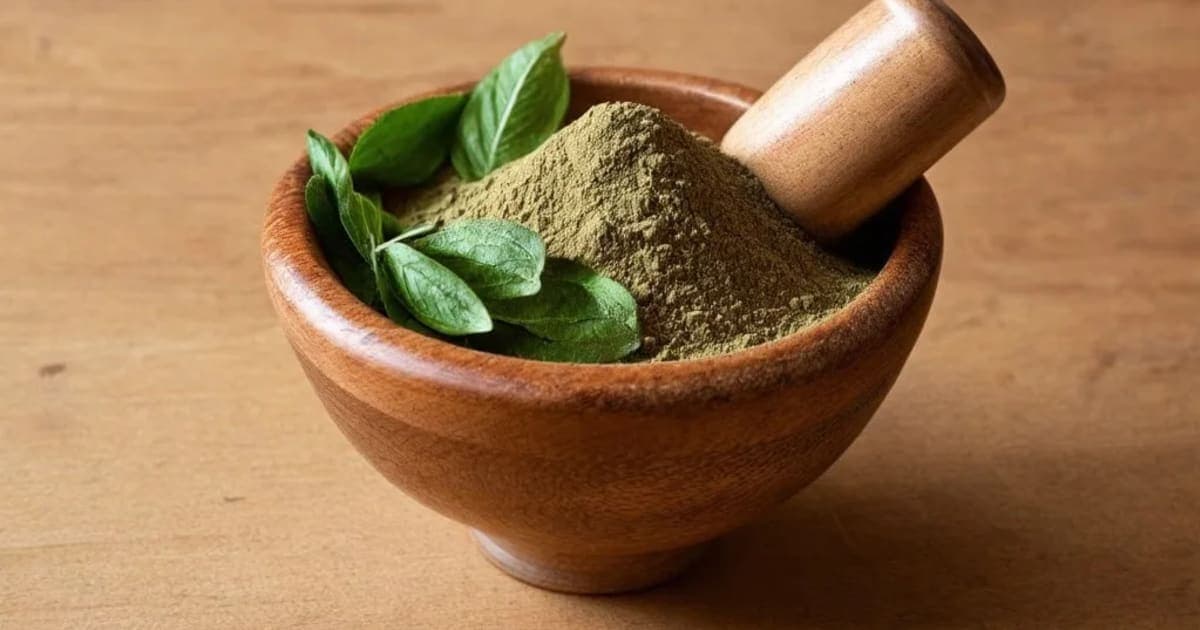
Agastya (Sesbania grandiflora): Ayurvedic Uses for Night Blindness and Pitta Balance
Expert Reviewed
Reviewed by AyurvedicUpchar Editorial Team
What is Agastya and how does it work in Ayurveda?
Agastya, the flower and leaf of the Sesbania grandiflora tree, is a cooling Ayurvedic herb traditionally used to treat night blindness and calm excess body heat. Unlike generic supplements, this plant offers a specific bitter taste that directly purifies the blood and reduces inflammation. Charaka Samhita, Sutra Sthana, classifies Agastya as a vital medicinal substance for managing Pitta disorders, noting its unique ability to clear vision issues linked to heat.
When you chew a fresh Agastya flower, the taste is distinctly bitter and slightly astringent, leaving a cooling sensation on the tongue. In many Indian households, elders prepare a simple tea by boiling these flowers with milk to soothe the eyes and digestion. This is not just folklore; the plant's Sheeta Virya (cold potency) physically lowers body temperature, making it a go-to remedy for summer fevers or skin rashes caused by internal heat.
"Agastya acts as a natural coolant that specifically targets the liver and eyes, offering a traditional solution for night blindness before modern medicine existed."
What are the specific Ayurvedic properties of Agastya?
Agastya is defined by five core properties: it tastes bitter, feels light and dry, possesses a cooling potency, and leaves a pungent aftertaste. These characteristics determine exactly how the herb moves through your system, purifying blood and reducing inflammation without causing heaviness. The following table summarizes the pharmacological profile recognized in Dravyaguna Shastra.
| Property (Sanskrit) | Value | What it means for your body |
|---|---|---|
| Rasa (Taste) | Tikta (Bitter) | Detoxifies blood, reduces Pitta, and clears skin impurities. |
| Guna (Quality) | Laghu, Ruksha (Light, Dry) | Penetrates tissues quickly without clogging channels or causing mucus. |
| Virya (Potency) | Sheeta (Cold) | Cools inflammation, soothes burning sensations, and calms irritability. |
| Vipaka (Post-digestive) | Katu (Pungent) | Stimulates metabolism after digestion, helping to clear residual toxins. |
Does Agastya balance all three Doshas?
Agastya primarily pacifies Pitta dosha due to its cooling nature and bitter taste, making it ideal for those with heat-related imbalances. However, its light and dry qualities mean it can aggravate Vata and Kapha if used in excess or by people with a cold constitution. Bhavaprakash Nighantu warns that while it is excellent for burning sensations, those prone to dryness or congestion should use it with caution.
For someone with high Pitta, Agastya feels like a relief, cooling the stomach lining and calming an angry mind. Conversely, a person with Vata imbalance might feel more restless or experience dry skin after taking it, while a Kapha-dominant individual could notice increased congestion if the herb is not balanced with warming spices like ginger.
How do people traditionally use Agastya for health?
Traditional use of Agastya focuses on the fresh flowers, which are often cooked as a vegetable or brewed into a decoction for eye health. In Kerala and Tamil Nadu, the flowers are stir-fried with mustard seeds and coconut oil to treat skin inflammation, while in the north, a paste of fresh leaves is applied to boils to draw out heat. For night blindness, a small amount of flower powder is mixed with warm milk and honey and consumed nightly.
"A spoonful of Agastya flower powder in warm milk before bed is a time-honored remedy to improve vision in low light and reduce liver heat."
You can also find Agastya in formulations like Agastya Rasayana, where it is combined with other herbs to enhance its blood-purifying effects. The key is freshness; dried flowers lose much of their cooling potency, so practitioners prefer using them immediately after harvest.
What are the safety precautions for Agastya?
While Agastya is safe for most people with Pitta imbalances, those with severe Vata conditions, such as chronic constipation or extreme dryness, should avoid high doses. Pregnant women should consult a practitioner before using it, as the cooling and purgative effects might be too strong for some constitutions. If you have a history of low blood pressure or hypoglycemia, monitor your levels closely, as the bitter compounds can lower both.
Never use Agastya if you are already taking strong cooling herbs without balancing them with something warm, like black pepper or cumin, to prevent digestive stagnation. Always start with a small dose to see how your body reacts to the bitter taste and cooling energy.
Frequently Asked Questions
Can Agastya cure night blindness?
Agastya is traditionally used in Ayurveda to improve vision in low light and treat night blindness caused by liver heat. While it supports eye health, it works best as part of a broader dietary plan and should be guided by a qualified practitioner for serious vision issues.
How do you prepare Agastya flowers for cooking?
Remove the hard center of the flower, then sauté the petals with mustard seeds, curry leaves, and a pinch of turmeric. This method preserves the cooling properties while making the flowers easier to digest and more palatable.
Is Agastya safe for daily use?
Daily use is generally safe for people with high Pitta, but those with Vata or Kapha dominance should use it intermittently. Long-term use without balancing herbs may lead to dryness or digestion issues in sensitive individuals.
What does Agastya taste like?
Agastya has a distinct bitter and slightly astringent taste with a cooling sensation. The flavor is similar to dandelion greens but milder, and it leaves a pleasant, clean aftertaste that helps reduce cravings for sugary foods.
Which Ayurvedic text mentions Agastya?
Agastya is prominently mentioned in the Charaka Samhita and Bhavaprakash Nighantu, where it is described as a key herb for managing Pitta disorders and eye health. These classical texts provide the foundational guidelines for its dosage and preparation.
Frequently Asked Questions
What is Agastya used for in Ayurveda?
Agastya is primarily used as a Antipyretic and Eye Tonic in Ayurvedic medicine. Sesbania grandiflora flowers and leaves are used for their cooling properties and in treating night blindness. It pacifies Pitta dosha.
How should I take Agastya?
Agastya can be taken as powder (1/2-1 tsp with warm water or milk), decoction (boil 1 tsp in water), or tablets (1-2 daily). Always start with a low dose and consult an Ayurvedic practitioner for personalized guidance.
Is Agastya safe during pregnancy?
Pregnant and nursing women should not take Agastya without consulting their doctor first. Most Ayurvedic herbs require medical supervision during pregnancy.
Which dosha does Agastya balance?
Agastya pacifies Pitta. Excessive use may increase Vata, Kapha dosha.
Can I take Agastya daily?
Agastya can be taken daily in recommended doses for 4-8 weeks. After that, take a 2-week break before resuming. Long-term use should be supervised by a qualified Ayurvedic practitioner.
What are the side effects of Agastya?
When taken in recommended doses, Agastya is generally safe. Excessive use may aggravate Vata, Kapha dosha, causing gas or bloating. Stop use if you experience any adverse reaction.
Related Articles
The Timeless Benefits of Triphala: An Ayurvedic Powerhouse
Discover the transformative benefits of Triphala, an ancient Ayurvedic blend of three fruits that supports digestion, immunity, weight management, and overall vitality.
5 min read
The Divine Benefits of Tulsi (Holy Basil) in Ayurveda
Discover the sacred benefits of Tulsi (Holy Basil) in Ayurveda. From boosting immunity and reducing stress to supporting heart health and digestion, learn how this divine herb can transform your well-being.
4 min read
The Remarkable Benefits of Giloy: An Ayurvedic Powerhouse
Discover the profound health benefits of Giloy, the Ayurvedic 'root of immortality.' Learn how this powerful herb boosts immunity, manages diabetes, improves digestion, and supports skin, hair, and bone health.
5 min read
The Remarkable Benefits of Ashwagandha: An Ayurvedic Perspective
Discover the ancient wisdom of Ashwagandha, a powerful Ayurvedic adaptogen known for reducing stress, boosting immunity, improving sleep, and enhancing physical strength.
4 min read
Brihatyadi Kashayam: Natural Relief for Urinary Tract Disorders and Cystitis
Brihatyadi Kashayam is a cooling Ayurvedic decoction that targets urinary burning and cystitis by balancing Vata and Pitta. Unlike standard teas, this concentrated liquid extract is specifically designed to reduce inflammation in the bladder lining while flushing out toxins.
5 min read
Asphota: Ayurvedic Brain Tonic, Calming Herb & Blood Purifier
Often overlooked, Asphota is a cooling, bitter herb that acts as a gentle brain tonic and blood purifier. While it shares traits with the popular Aparajita, its unique astringent quality makes it particularly effective for stopping bleeding and soothing inflamed tissues.
6 min read
References & Sources
This article is based on principles from classical Ayurvedic texts including Charaka Samhita, Sushruta Samhita, and Ashtanga Hridaya. Content has been reviewed for accuracy by our editorial team. For specific medical conditions, always consult a qualified Ayurvedic practitioner or healthcare provider.
- • Charaka Samhita (चरक संहिता)
- • Sushruta Samhita (सुश्रुत संहिता)
- • Ashtanga Hridaya (अष्टांग हृदय)
Found an error in this article? Let us know