
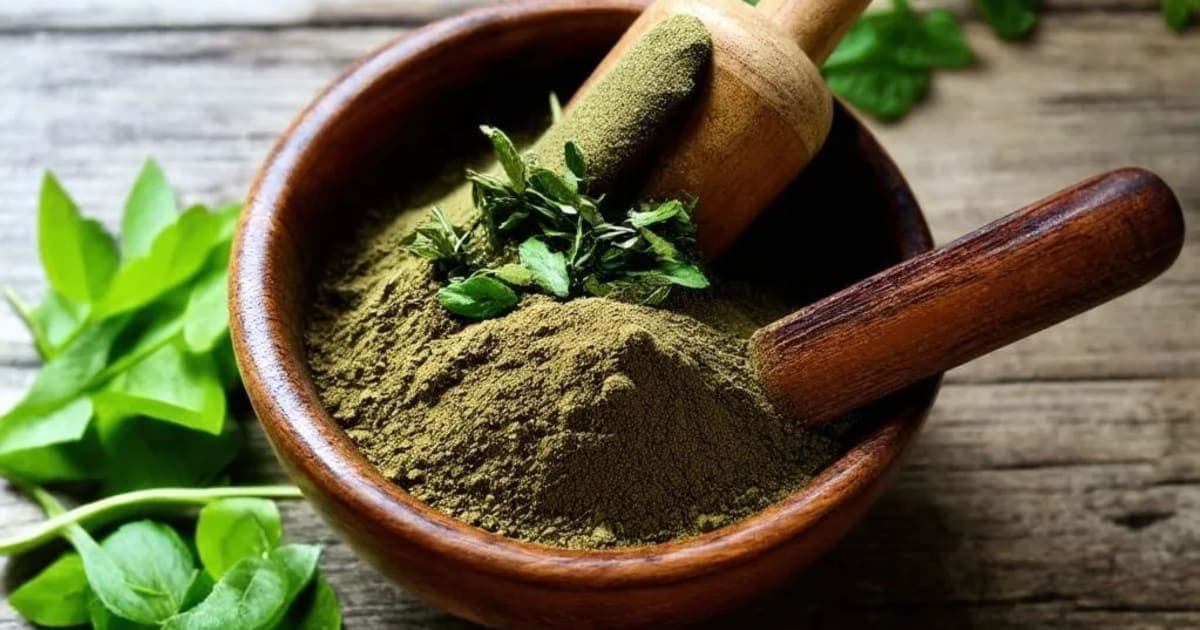
Maha Narayana Thailam: Relief for Joint Pain, Paralysis & Vata Disorders
Expert Reviewed
Reviewed by AyurvedicUpchar Editorial Team
What is Maha Narayana Thailam and how is it used?
Maha Narayana Thailam is a specialized, herb-infused sesame oil used in Ayurveda to treat severe Vata disorders, including paralysis, chronic joint pain, and muscle wasting. It is not a simple cooking oil but a medicated formulation where sesame oil is boiled with a decoction of the Dashamula (ten roots) and over forty other herbs, creating a thick, dark, and deeply aromatic liquid that smells of earth and warming spices.
Practitioners often prescribe this oil for external massage (Abhyanga) or as a base for Pinda Sweda (bolus fomentation). When you apply it to stiff joints or aching muscles, the warmth spreads quickly, loosening the tension that feels like dry twigs snapping inside the body. A grandmother in Kerala might warm a small bowl of this oil over a flame, rub it between her palms until it sizzles slightly, and then press it firmly into the lower back to soothe sciatica.
While it is a powerful remedy, it is not a one-size-fits-all tonic. The classical text Ashtanga Hridayam details its use in treating Gridhrasi (sciatica) and Vata Vyadhi (Vata diseases), noting that its heating nature drives out cold and dryness from the deepest tissues.
"Maha Narayana Thailam is a warming, Vata-pacifying oil that penetrates deep into the muscles and joints to dissolve stiffness and restore mobility."
What are the Ayurvedic properties of Maha Narayana Thailam?
Maha Narayana Thailam is a warming, unctuous oil with a sweet and bitter taste profile, classified by its hot potency (Ushna Virya) to effectively pacify Vata and nourish tissues.
To understand why this oil works so well for deep tissue pain, we must look at its pharmacological fingerprint. The oil is heavy and oily (Snigdha and Guru), which allows it to coat dry, cracked tissues and penetrate slowly but thoroughly. Its hot potency (Virya) acts like a internal heater, melting away the "ice" of stagnation in the joints, while its post-digestive effect (Vipaka) remains sweet, ensuring it builds strength rather than depleting the body.
| Property (Sanskrit) | Value | What it means for your body |
|---|---|---|
| Rasa (Taste) | Madhura, Tikta | Sweet nourishes and builds tissue; Bitter cleanses toxins and reduces Pitta. |
| Guna (Quality) | Guru, Snigdha | Heavy and oily, allowing deep penetration into muscles and bones. |
| Virya (Potency) | Ushna | Hot, which stimulates circulation and melts away Vata-induced stiffness. |
| Vipaka (Post-digestive) | Madhura | Sweet, providing a long-term nourishing effect on body tissues. |
| Dosha Effect | Shamaka Vata | Pacifies Vata; use caution if Pitta is high. |
Who benefits most from Maha Narayana Thailam?
Maha Narayana Thailam is most beneficial for individuals with elevated Vata dosha, specifically those suffering from chronic joint pain, muscle spasms, sciatica, or post-stroke paralysis. It is the go-to remedy for the elderly whose joints feel dry and creaky, or for laborers who have strained their muscles with heavy lifting and now feel a deep, aching cold in their limbs.
However, this oil is not suitable for everyone. Because it is inherently heating, people with a dominant Pitta constitution or those currently experiencing acute inflammation, fever, or skin rashes should avoid it or use it only under strict supervision. Applying a hot oil to an already inflamed, red, or burning area can worsen the condition, turning a manageable ache into a painful flare-up.
If you have high Pitta, you might notice symptoms like excessive thirst, acidity, or a burning sensation in the stomach if you use this oil in large quantities. In such cases, a practitioner might blend it with cooling herbs like Brahmi or Shatavari oil to balance the heat, or limit the application time.
How do you safely use Maha Narayana Thailam at home?
For safe home use, warm a small amount of Maha Narayana Thailam until it is comfortably hot but not scalding, then massage it firmly into the affected area for 15 to 20 minutes. The goal is to feel the heat penetrating the skin, not just sitting on the surface. After the massage, wrap the area in a warm towel or take a warm bath to help the oil absorb fully; do not rinse with cold water immediately, as this shocks the pores shut.
A practical tip from traditional healers is to use this oil at night. Since it is heavy and grounding, it promotes deep sleep, which is often disrupted by Vata imbalances. If you have sensitive skin, always do a patch test on your inner arm first, as the potent herbs can sometimes cause a reaction in those with allergies to sesame or specific root extracts.
Frequently Asked Questions
Can I use Maha Narayana Thailam for sciatica?
Yes, it is one of the primary Ayurvedic treatments for sciatica (Gridhrasi). The oil's heating and penetrating properties help loosen the tight muscles compressing the sciatic nerve, providing relief from sharp, shooting pain down the leg.
Is Maha Narayana Thailam safe during pregnancy?
No, it is generally not recommended for use during pregnancy without direct supervision from a qualified Ayurvedic doctor. Its heating nature and strong penetrating effects could potentially stimulate the uterus or cause discomfort.
How often should I apply this oil?
For chronic conditions like arthritis, daily application is often beneficial, ideally in the morning or evening. For acute pain or inflammation, apply it twice a day for a few days, then reduce frequency as the pain subsides.
Does Maha Narayana Thailam help with muscle spasms?
Yes, the oil is highly effective for muscle spasms and cramps. Its Snigdha (oily) quality lubricates the muscle fibers, while the Ushna (hot) potency relaxes the tight, knotted muscles that cause the spasm.
What is the difference between Narayana Thailam and Maha Narayana Thailam?
Maha Narayana Thailam is a more potent, fortified version of the standard Narayana Thailam. It contains a broader spectrum of herbs and a higher concentration of the Dashamula decoction, making it stronger for severe Vata disorders like paralysis and deep joint pain.
Frequently Asked Questions
What is Maha Narayana Thailam used for in Ayurveda?
Maha Narayana Thailam is primarily used as a Vatahara and Strength Promoter in Ayurvedic medicine. A fortified version of Narayana Thailam, this oil is an exceptionally potent remedy for chronic Vata disorders, paralysis, and severe joint pain. It pacifies Vata dosha.
How should I take Maha Narayana Thailam?
Maha Narayana Thailam can be taken as powder (1/2-1 tsp with warm water or milk), decoction (boil 1 tsp in water), or tablets (1-2 daily). Always start with a low dose and consult an Ayurvedic practitioner for personalized guidance.
Is Maha Narayana Thailam safe during pregnancy?
Pregnant and nursing women should not take Maha Narayana Thailam without consulting their doctor first. Most Ayurvedic herbs require medical supervision during pregnancy.
Which dosha does Maha Narayana Thailam balance?
Maha Narayana Thailam pacifies Vata. Excessive use may increase Pitta dosha.
Can I take Maha Narayana Thailam daily?
Maha Narayana Thailam can be taken daily in recommended doses for 4-8 weeks. After that, take a 2-week break before resuming. Long-term use should be supervised by a qualified Ayurvedic practitioner.
What are the side effects of Maha Narayana Thailam?
When taken in recommended doses, Maha Narayana Thailam is generally safe. Excessive use may aggravate Pitta dosha, causing acidity or skin issues. Stop use if you experience any adverse reaction.
Related Articles
The Timeless Benefits of Triphala: An Ayurvedic Powerhouse
Discover the transformative benefits of Triphala, an ancient Ayurvedic blend of three fruits that supports digestion, immunity, weight management, and overall vitality.
5 min read
The Divine Benefits of Tulsi (Holy Basil) in Ayurveda
Discover the sacred benefits of Tulsi (Holy Basil) in Ayurveda. From boosting immunity and reducing stress to supporting heart health and digestion, learn how this divine herb can transform your well-being.
4 min read
The Remarkable Benefits of Giloy: An Ayurvedic Powerhouse
Discover the profound health benefits of Giloy, the Ayurvedic 'root of immortality.' Learn how this powerful herb boosts immunity, manages diabetes, improves digestion, and supports skin, hair, and bone health.
5 min read
The Remarkable Benefits of Ashwagandha: An Ayurvedic Perspective
Discover the ancient wisdom of Ashwagandha, a powerful Ayurvedic adaptogen known for reducing stress, boosting immunity, improving sleep, and enhancing physical strength.
4 min read
Brihatyadi Kashayam: Natural Relief for Urinary Tract Disorders and Cystitis
Brihatyadi Kashayam is a cooling Ayurvedic decoction that targets urinary burning and cystitis by balancing Vata and Pitta. Unlike standard teas, this concentrated liquid extract is specifically designed to reduce inflammation in the bladder lining while flushing out toxins.
5 min read
Asphota: Ayurvedic Brain Tonic, Calming Herb & Blood Purifier
Often overlooked, Asphota is a cooling, bitter herb that acts as a gentle brain tonic and blood purifier. While it shares traits with the popular Aparajita, its unique astringent quality makes it particularly effective for stopping bleeding and soothing inflamed tissues.
6 min read
References & Sources
This article is based on principles from classical Ayurvedic texts including Charaka Samhita, Sushruta Samhita, and Ashtanga Hridaya. Content has been reviewed for accuracy by our editorial team. For specific medical conditions, always consult a qualified Ayurvedic practitioner or healthcare provider.
- • Charaka Samhita (चरक संहिता)
- • Sushruta Samhita (सुश्रुत संहिता)
- • Ashtanga Hridaya (अष्टांग हृदय)
Found an error in this article? Let us know