
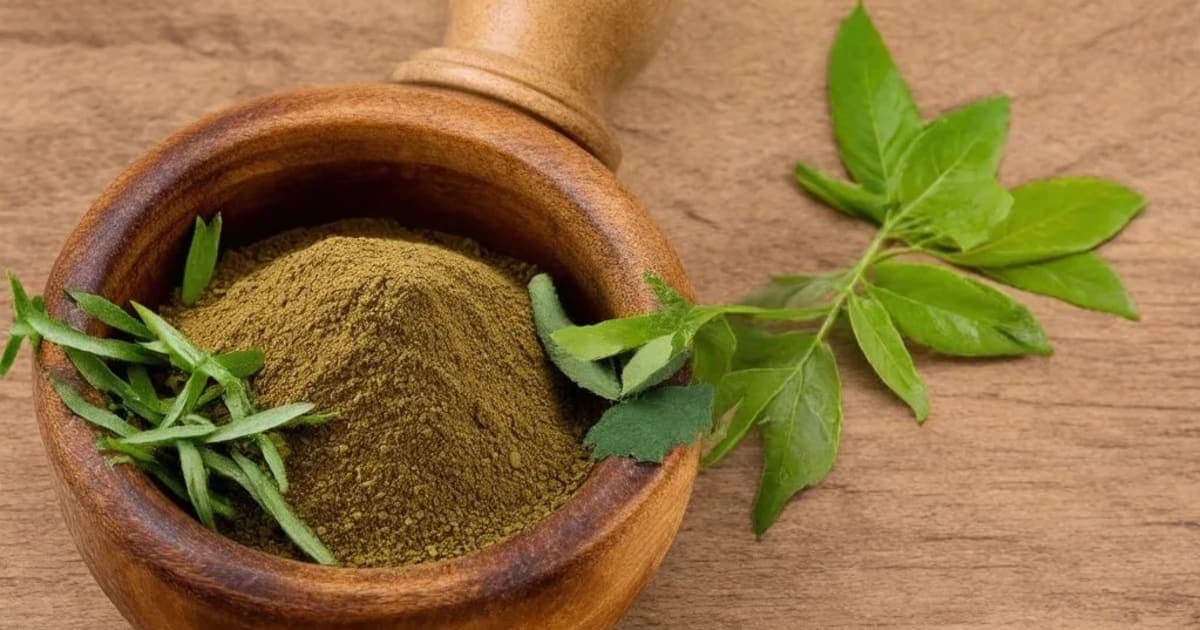
Narayana Thailam: Relief for Arthritis, Nerve Pain & Vata Disorders
Expert Reviewed
Reviewed by AyurvedicUpchar Editorial Team
What is Narayana Thailam and how does it work?
Narayana Thailam is a medicated sesame oil infusion used in Ayurveda to treat Vata disorders, specifically arthritis, nerve pain, and paralysis. Unlike standard oils, it is prepared with a specific blend of bitter and sweet herbs that give it a warming quality, allowing it to penetrate deep into stiff joints and calm the nervous system.
When an Ayurvedic practitioner prescribes this oil, they are relying on centuries of observation recorded in texts like the Charaka Samhita. The oil is not merely a lubricant; it acts as a vehicle to deliver healing properties directly into the tissues. You can often recognize it by its distinct, earthy aroma—a mix of sesame and dried herbs like Eranda (castor) and Chitraka—which signals its potency before it even touches the skin.
In traditional practice, this oil is used in a ritual called Abhyanga, where it is warmed slightly and massaged into the body. The warmth of the oil mimics the body's own heat, helping to dissolve the "dryness" and "coldness" that characterize Vata imbalance. It is a staple in households where elders suffer from cracking joints or where children need gentle care for growing pains.
What are the Ayurvedic properties of Narayana Thailam?
The therapeutic action of Narayana Thailam is defined by its specific pharmacological profile: it tastes sweet and bitter, has a heavy and oily texture, and possesses a heating potency that stimulates circulation. These properties work together to nourish tissues while simultaneously clearing blockages in the channels.
Understanding these properties helps explain why the oil feels different from others. The "sweet" aspect (Madhura) builds strength and calms the mind, while the "bitter" aspect (Tikta) ensures it does not become too clogging, acting instead as a blood purifier. The heating potency (Ushna Virya) is the key driver, forcing the oil to move through tight muscles and stiff ligaments that cooler oils cannot reach.
| Property (Sanskrit) | Value | What it means for your body |
|---|---|---|
| Rasa (Taste) | Madhura, Tikta | Provides deep nourishment and tissue building while offering detoxifying and blood-purifying effects. |
| Guna (Quality) | Guru, Snigdha | Heavy and unctuous, ensuring the oil stays on the skin longer to allow for deep tissue penetration. |
| Virya (Potency) | Ushna | Heating nature that ignites metabolic fire, improves local circulation, and melts away stiffness. |
| Vipaka (Post-digestive effect) | Madhura | Leaves a sweet, nourishing residue in the tissues after digestion, promoting long-term tissue repair. |
Which dosha does Narayana Thailam balance?
Narayana Thailam primarily balances Vata dosha by counteracting its cold, dry, and light qualities with warmth, moisture, and heaviness. It is the go-to remedy for anyone experiencing the classic signs of Vata aggravation, such as tremors, dry skin, or erratic digestion.
However, because the oil is heating, individuals with a dominant Pitta constitution must use it with caution. If applied too liberally or during hot summer months, it can aggravate Pitta, leading to skin rashes, excessive body heat, or acidity. A knowledgeable practitioner might suggest mixing it with cooling herbs like sandalwood for Pitta-dominant patients, or limiting the massage time to prevent overheating.
How do you know if Narayana Thailam is right for you?
You likely need Narayana Thailam if you feel a constant sense of cold in your extremities, experience joint stiffness that worsens with weather changes, or suffer from anxiety and racing thoughts. These are the hallmarks of Vata imbalance that this oil is designed to soothe.
For those with nerve pain or paralysis, the oil is often applied with firm, rhythmic strokes to stimulate the flow of Prana (life force). A grandmother's tip for this is to warm the oil bottle in a bowl of hot water for five minutes before application; the warmth helps the oil spread more easily and reduces the shock of cold oil on sensitive, inflamed skin.
What does the classical text say about Narayana Thailam?
Classical Ayurvedic texts, specifically the Ashthanga Hridayam and Charaka Samhita, cite Narayana Thailam as a primary treatment for Vata Vyadhi (Vata diseases) and Ardita (facial paralysis). These texts emphasize that the oil's efficacy comes from its ability to reach the Majja Dhatu (bone marrow and nervous tissue), a depth that simple oils cannot achieve.
One specific observation from these texts is that while the oil is heavy, the bitter herbs within it prevent it from causing digestive sluggishness. This makes it unique among medicated oils, as it can be used for external application without the fear of overwhelming the digestive system, provided it is not ingested in large quantities.
Frequently Asked Questions about Narayana Thailam
Can I use Narayana Thailam for daily massage?
Yes, it is excellent for daily massage for people with Vata imbalances, but it should be used in moderation by those with Pitta tendencies. For daily use, a small amount warmed and massaged into the joints or soles of the feet is often sufficient to maintain balance without overheating the body.
Does Narayana Thailam help with sciatica and back pain?
It is highly effective for sciatica and lower back pain because its heating nature penetrates deep into the lumbar region to relieve nerve compression. The combination of sesame oil and bitter herbs reduces inflammation while the warmth relaxes the tight muscles surrounding the sciatic nerve.
Is Narayana Thailam safe for children?
It is generally safe for children when used in very small amounts and diluted, often to treat growing pains or mild joint stiffness. However, because of its heating potency, it is best to consult a pediatric Ayurvedic practitioner before using it on infants or young children with sensitive skin.
How should Narayana Thailam be stored?
Store the oil in a cool, dark place away from direct sunlight to prevent the herbs from degrading and the oil from turning rancid. A glass bottle with a tight seal is ideal, as light and air can alter the chemical composition of the medicinal herbs over time.
Disclaimer: The information provided here is for educational purposes only and does not constitute medical advice. Narayana Thailam is a potent Ayurvedic formulation. Always consult a qualified Ayurvedic practitioner or healthcare provider before starting any new treatment, especially if you are pregnant, nursing, or have a chronic health condition.
Frequently Asked Questions
What is Narayana Thailam used for in Ayurveda?
Narayana Thailam is primarily used as a Vatahara and Strength Promoter in Ayurvedic medicine. A famous and versatile medicated oil for all types of Vata disorders, especially arthritis, paralysis, and nerve pain. It pacifies Vata dosha.
How should I take Narayana Thailam?
Narayana Thailam can be taken as powder (1/2-1 tsp with warm water or milk), decoction (boil 1 tsp in water), or tablets (1-2 daily). Always start with a low dose and consult an Ayurvedic practitioner for personalized guidance.
Is Narayana Thailam safe during pregnancy?
Pregnant and nursing women should not take Narayana Thailam without consulting their doctor first. Most Ayurvedic herbs require medical supervision during pregnancy.
Which dosha does Narayana Thailam balance?
Narayana Thailam pacifies Vata. Excessive use may increase Pitta dosha.
Can I take Narayana Thailam daily?
Narayana Thailam can be taken daily in recommended doses for 4-8 weeks. After that, take a 2-week break before resuming. Long-term use should be supervised by a qualified Ayurvedic practitioner.
What are the side effects of Narayana Thailam?
When taken in recommended doses, Narayana Thailam is generally safe. Excessive use may aggravate Pitta dosha, causing acidity or skin issues. Stop use if you experience any adverse reaction.
Related Articles
The Timeless Benefits of Triphala: An Ayurvedic Powerhouse
Discover the transformative benefits of Triphala, an ancient Ayurvedic blend of three fruits that supports digestion, immunity, weight management, and overall vitality.
5 min read
The Divine Benefits of Tulsi (Holy Basil) in Ayurveda
Discover the sacred benefits of Tulsi (Holy Basil) in Ayurveda. From boosting immunity and reducing stress to supporting heart health and digestion, learn how this divine herb can transform your well-being.
4 min read
The Remarkable Benefits of Giloy: An Ayurvedic Powerhouse
Discover the profound health benefits of Giloy, the Ayurvedic 'root of immortality.' Learn how this powerful herb boosts immunity, manages diabetes, improves digestion, and supports skin, hair, and bone health.
5 min read
The Remarkable Benefits of Ashwagandha: An Ayurvedic Perspective
Discover the ancient wisdom of Ashwagandha, a powerful Ayurvedic adaptogen known for reducing stress, boosting immunity, improving sleep, and enhancing physical strength.
4 min read
Brihatyadi Kashayam: Natural Relief for Urinary Tract Disorders and Cystitis
Brihatyadi Kashayam is a cooling Ayurvedic decoction that targets urinary burning and cystitis by balancing Vata and Pitta. Unlike standard teas, this concentrated liquid extract is specifically designed to reduce inflammation in the bladder lining while flushing out toxins.
5 min read
Asphota: Ayurvedic Brain Tonic, Calming Herb & Blood Purifier
Often overlooked, Asphota is a cooling, bitter herb that acts as a gentle brain tonic and blood purifier. While it shares traits with the popular Aparajita, its unique astringent quality makes it particularly effective for stopping bleeding and soothing inflamed tissues.
6 min read
References & Sources
This article is based on principles from classical Ayurvedic texts including Charaka Samhita, Sushruta Samhita, and Ashtanga Hridaya. Content has been reviewed for accuracy by our editorial team. For specific medical conditions, always consult a qualified Ayurvedic practitioner or healthcare provider.
- • Charaka Samhita (चरक संहिता)
- • Sushruta Samhita (सुश्रुत संहिता)
- • Ashtanga Hridaya (अष्टांग हृदय)
Found an error in this article? Let us know