
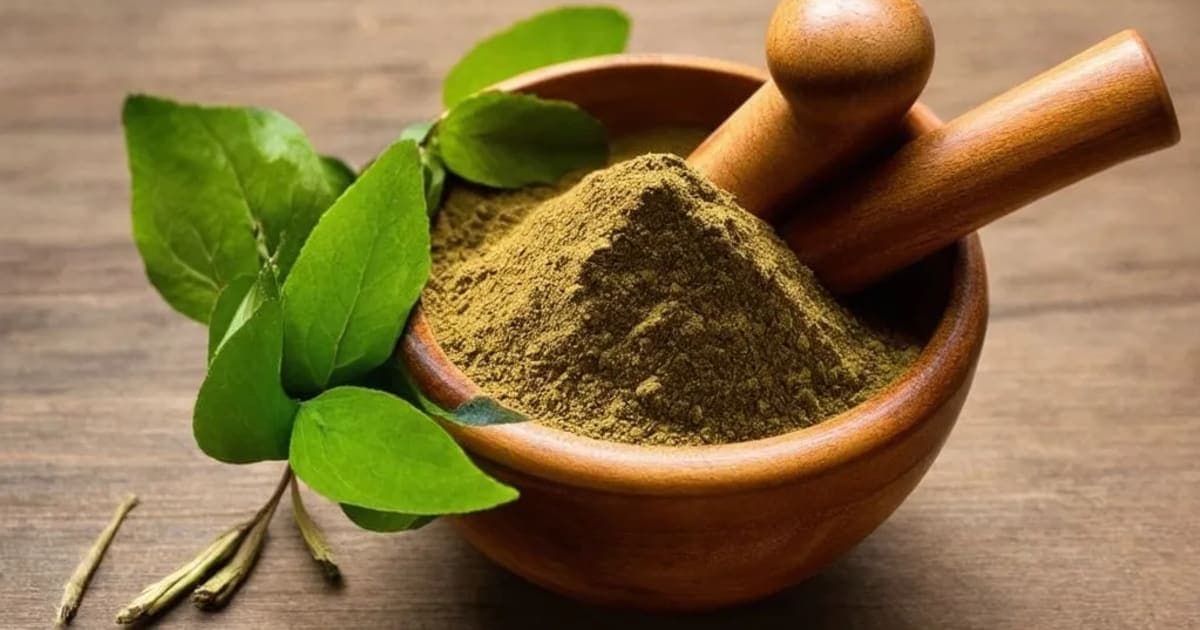
Kusha: Cooling Benefits for Urinary Health & Pitta Balance
Expert Reviewed
Reviewed by AyurvedicUpchar Editorial Team
What is Kusha grass?
Kusha grass (Desmostachya bipinnata) is a sacred, cooling herb in Ayurveda primarily used to treat urinary disorders, burning sensations, and excess body heat. Unlike many leafy herbs, Kusha refers to the roots and lower stems of this durable desert grass, which are harvested, dried, and boiled to extract their soothing, bitter-sweet medicine.
Ancient texts like the Charaka Samhita (Sutra Sthana) list Kusha among the "Pancha Mula" (five roots) essential for balancing Pitta dosha. You might recognize it as the fragrant grass traditionally used in Vedic rituals; when you crush the fresh roots, they release a distinct, earthy aroma that hints at their deep cleansing power. While often associated with spirituality, its practical application in the clinic is for cooling the blood and flushing out toxins through urine.
What are the Ayurvedic properties of Kusha?
The Ayurvedic profile of Kusha defines it as a light, cooling substance with a bitter taste that detoxifies the blood and reduces inflammation. These specific qualities explain why it works so well for hot, inflamed conditions like urinary tract infections or acid reflux, while warning us that its lightness might aggravate Vata if used alone for too long.
Here is how classical Dravyaguna Shastra categorizes Kusha:
| Property (Sanskrit) | Value | What it means for your body |
|---|---|---|
| Rasa (Taste) | Tikta (Bitter), Kashaya (Astringent) | Scrapes away toxins (Ama), purifies blood, and dries excess moisture. |
| Guna (Quality) | Laghu (Light), Ruksha (Dry) | Easy to digest but can increase dryness; penetrates deep into tissues quickly. |
| Virya (Potency) | Sheeta (Cooling) | Directly lowers body temperature, soothes burning sensations, and calms anger or irritability. |
| Vipaka (Post-digestive) | Katu (Pungent) | After digestion, it maintains a clearing effect, helping to break down subtle blockages in channels. |
This combination of bitter taste and cooling energy makes Kusha a specific antidote to "heat" in the body, whether that heat shows up as a skin rash, acidic stomach, or painful urination.
Which doshas does Kusha balance?
Kusha primarily pacifies Pitta dosha and secondarily helps reduce Kapha, but it can aggravate Vata if used excessively. Because its energy is cold, dry, and light, it perfectly counteracts the hot, sharp, and oily qualities of an imbalanced Pitta constitution.
If you are someone who gets angry easily, suffers from heartburn after spicy meals, or feels burning in your eyes and feet during summer, Kusha is likely a good fit for you. However, if you already struggle with dry skin, constipation, anxiety, or joint pain (signs of high Vata), you should use Kusha only in combination with ghee or milk to buffer its drying effects. Grandmothers in rural India often boil Kusha roots with a teaspoon of ghee to ensure the medicine nourishes the body while it cleanses.
What are the main health benefits of Kusha?
Kusha is most famous for its diuretic action, helping to flush out the urinary tract, dissolve small stones, and relieve painful burning during urination. This makes it a first-line herb in Ayurveda for conditions like urinary tract infections (UTIs) and gravel.
Beyond the urinary system, here is how people traditionally use Kusha:
1. Cooling the Blood and Skin
When Pitta overheats the blood, it can manifest as hives, acne, or unexplained rashes. Drinking a decoction of Kusha root helps cool the blood from the inside out. Some practitioners recommend washing the face with cooled Kusha water to soothe sunburned or irritated skin.
2. Managing Bleeding Disorders
Due to its astringent (Kashaya) taste, Kusha has a tightening effect on tissues. Classical texts note its use in stopping minor internal bleeding, such as nosebleeds or heavy menstrual flow caused by excess heat, rather than cold stagnation.
3. Reducing Thirst and Nausea
If you feel an unquenchable thirst or nausea driven by acidity, chewing on a piece of fresh Kusha root or sipping its tea can provide immediate relief by neutralizing stomach acid and cooling the digestive fire.
How is Kusha traditionally prepared and used?
The most common way to use Kusha is by making a decoction (Kwath) from the dried roots, though fresh root paste is used for external applications. The method of preparation changes slightly depending on what you are treating.
For Urinary Issues and Heat: Boil 10–15 grams of dried Kusha roots in 4 cups of water until the liquid reduces to 1 cup. Strain and drink warm. Many traditional formulas mix this with Coriander (Dhanyaka) or Gokshura to enhance the cooling and diuretic effects without drying the body too much.
For Skin Irritation: Grind fresh roots into a fine paste with rose water or coconut water and apply it as a poultice over burns, rashes, or insect bites. The cooling sensation is almost immediate.
Precaution for Vata Types: If you have a Vata constitution, always take Kusha with warm milk or add a pinch of ginger and a teaspoon of ghee to your tea. This prevents the herb's dryness from causing bloating or gas.
Frequently Asked Questions
Is Kusha grass safe for daily use?
Kusha is generally safe for short-term use during acute episodes of heat or urinary discomfort, but it is not typically recommended as a daily tonic for everyone. Because it is drying and cooling, long-term daily use can aggravate Vata dosha, leading to dryness or constipation, especially in winter or for elderly individuals.
Can Kusha help with kidney stones?
Yes, Kusha is traditionally used to support the management of small kidney stones and gravel by increasing urine flow and reducing inflammation in the urinary tract. However, it works best as part of a broader formulation including Gokshura and Punarnava, and large stones require immediate medical attention.
What is the difference between Kusha and Darbha grass?
While both are sacred grasses used in rituals, Kusha (Desmostachya bipinnata) is the primary variety used in Ayurvedic medicine for urinary and blood disorders, whereas Darbha (Eragrostis cynosuroides) is often preferred for specific ritualistic purification and has slightly different therapeutic applications in treating poisoning and skin diseases.
Frequently Asked Questions
What is Kusha used for in Ayurveda?
Kusha is primarily used as a Diuretic and tridoshahara in Ayurvedic medicine. Sacred grass used for purification and urinary issues. It pacifies Pitta dosha.
How should I take Kusha?
Kusha can be taken as powder (1/2-1 tsp with warm water or milk), decoction (boil 1 tsp in water), or tablets (1-2 daily). Always start with a low dose and consult an Ayurvedic practitioner for personalized guidance.
Is Kusha safe during pregnancy?
Pregnant and nursing women should not take Kusha without consulting their doctor first. Most Ayurvedic herbs require medical supervision during pregnancy.
Which dosha does Kusha balance?
Kusha pacifies Pitta. Excessive use may increase Kapha, Vata dosha.
Can I take Kusha daily?
Kusha can be taken daily in recommended doses for 4-8 weeks. After that, take a 2-week break before resuming. Long-term use should be supervised by a qualified Ayurvedic practitioner.
What are the side effects of Kusha?
When taken in recommended doses, Kusha is generally safe. Excessive use may aggravate Kapha, Vata dosha, causing gas or bloating. Stop use if you experience any adverse reaction.
Related Articles
The Timeless Benefits of Triphala: An Ayurvedic Powerhouse
Discover the transformative benefits of Triphala, an ancient Ayurvedic blend of three fruits that supports digestion, immunity, weight management, and overall vitality.
5 min read
The Divine Benefits of Tulsi (Holy Basil) in Ayurveda
Discover the sacred benefits of Tulsi (Holy Basil) in Ayurveda. From boosting immunity and reducing stress to supporting heart health and digestion, learn how this divine herb can transform your well-being.
4 min read
The Remarkable Benefits of Giloy: An Ayurvedic Powerhouse
Discover the profound health benefits of Giloy, the Ayurvedic 'root of immortality.' Learn how this powerful herb boosts immunity, manages diabetes, improves digestion, and supports skin, hair, and bone health.
5 min read
The Remarkable Benefits of Ashwagandha: An Ayurvedic Perspective
Discover the ancient wisdom of Ashwagandha, a powerful Ayurvedic adaptogen known for reducing stress, boosting immunity, improving sleep, and enhancing physical strength.
4 min read
Brihatyadi Kashayam: Natural Relief for Urinary Tract Disorders and Cystitis
Brihatyadi Kashayam is a cooling Ayurvedic decoction that targets urinary burning and cystitis by balancing Vata and Pitta. Unlike standard teas, this concentrated liquid extract is specifically designed to reduce inflammation in the bladder lining while flushing out toxins.
5 min read
Asphota: Ayurvedic Brain Tonic, Calming Herb & Blood Purifier
Often overlooked, Asphota is a cooling, bitter herb that acts as a gentle brain tonic and blood purifier. While it shares traits with the popular Aparajita, its unique astringent quality makes it particularly effective for stopping bleeding and soothing inflamed tissues.
6 min read
References & Sources
This article is based on principles from classical Ayurvedic texts including Charaka Samhita, Sushruta Samhita, and Ashtanga Hridaya. Content has been reviewed for accuracy by our editorial team. For specific medical conditions, always consult a qualified Ayurvedic practitioner or healthcare provider.
- • Charaka Samhita (चरक संहिता)
- • Sushruta Samhita (सुश्रुत संहिता)
- • Ashtanga Hridaya (अष्टांग हृदय)
Found an error in this article? Let us know