
Kasis Bhasma: Ayurvedic Iron Remedy for Anemia and Liver Support
Expert Reviewed
Reviewed by AyurvedicUpchar Editorial Team
What is Kasis Bhasma and how is it prepared?
Kasis Bhasma is a purified, incinerated form of ferrous sulfate (black vitriol) used in Ayurveda to treat anemia, strengthen the liver, and improve blood quality. Unlike modern iron pills that often cause constipation or nausea, this classical preparation undergoes a rigorous detoxification process to make the mineral bioavailable and gentle on the stomach.
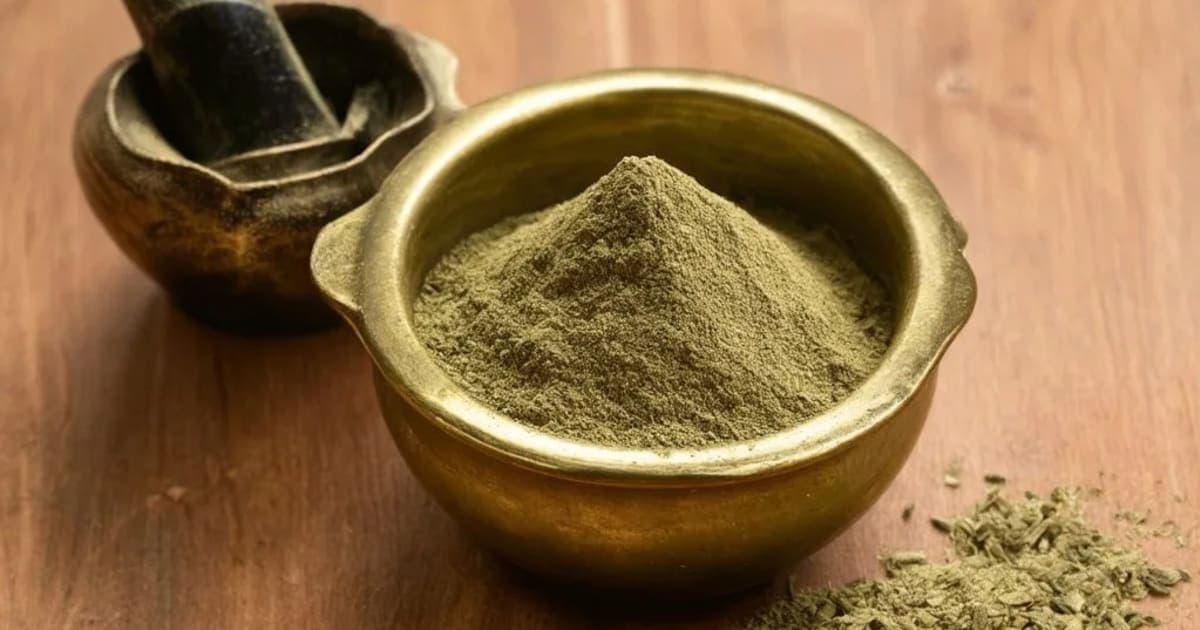
In the traditional lineage, the raw mineral is not simply ground; it is subjected to multiple cycles of heating and cooling, often mixed with herbal juices like ginger or triphala to neutralize toxicity. This results in a fine, reddish-brown powder that smells earthy and metallic. Classical texts like the Bhavaprakash Nighantu describe this specific preparation as essential for restoring Rakta (blood tissue) when the body cannot absorb iron from food alone.
Kasis Bhasma is a purified iron ash that transforms heavy minerals into a bioavailable form, allowing the body to rebuild blood without the digestive distress common in raw iron supplements.
The taste profile is distinct: it carries a sharp astringency that dries up excess moisture and a sour note that wakes up a sluggish appetite. This combination is why it works so well for conditions where digestion is weak but the body desperately needs nourishment.
How do the Ayurvedic properties of Kasis Bhasma work?
The therapeutic power of Kasis Bhasma comes from its unique combination of five pharmacological properties, which determine how it moves through your system and heals specific tissues. These properties explain why it is effective for anemia yet potentially heating for those with high body heat.
| Property (Sanskrit) | Value | What it means for your body |
|---|---|---|
| Rasa (Taste) | Kashaya, Amla | Astringent to heal and stop bleeding; Sour to stimulate digestion and appetite. |
| Guna (Quality) | Guru | Heavy, providing deep tissue nourishment but requiring strong digestive fire. |
| Virya (Potency) | Ushna | Hot, which ignites metabolism and improves circulation to cold extremities. |
| Vipaka (Post-digestive) | Katu | Pungent, ensuring the mineral is fully metabolized and distributed to tissues. |
Because it is Guru (heavy) and Ushna (hot), it penetrates deep into the blood-forming tissues. However, this heaviness means it must be taken with care; if your digestive fire is weak, the body may struggle to process it without the aid of other digestive spices.
Which doshas does Kasis Bhasma balance or aggravate?
Kasis Bhasma primarily pacifies Vata and Kapha doshas by providing warmth to settle Vata's erratic movement and astringency to dry up Kapha's excess fluid. It is particularly useful for individuals who feel cold, have dry skin, suffer from joint stiffness, or experience anxiety and insomnia due to Vata imbalance.
However, caution is necessary for those with a Pitta constitution or active inflammation. Because the herb has a hot potency (Ushna Virya) and a pungent post-digestive effect, excessive use can aggravate Pitta, leading to acidity, skin rashes, or excessive body heat. A practitioner will often pair it with cooling herbs like coriander or fennel to counterbalance this heat.
Practical ways to use Kasis Bhasma
People rarely take this powder alone. In a traditional home setting, a grandmother might mix a pinch of Kasis Bhasma with warm ghee or honey to create a paste that is easy to swallow. For anemia, it is commonly administered with Ashwagandha or Chyawanprash to support the blood-building process. The timing matters: it is best taken after a meal, usually at lunch, when digestive fire is strongest.
Frequently Asked Questions about Kasis Bhasma
Is Kasis Bhasma safe for daily use?
Kasis Bhasma is safe for daily use only when prescribed by a qualified Ayurvedic practitioner who determines the correct dosage based on your digestive strength. Self-medication is risky because the dosage is typically measured in milligrams, and incorrect amounts can lead to toxicity.
What are the side effects of Kasis Bhasma?
The most common side effects occur when the herb aggravates Pitta, resulting in heartburn, nausea, or skin rashes. If you experience these symptoms, discontinue use immediately and consult a practitioner to adjust the dosage or add cooling herbs to the regimen.
Can Kasis Bhasma cure anemia?
While Kasis Bhasma is highly effective for treating iron-deficiency anemia and rebuilding blood tissue, it works best as part of a holistic plan that includes dietary changes and other blood-building herbs like Draksha (raisins) or Mandura Bhasma.
How is Kasis Bhasma different from iron supplements?
Unlike synthetic iron supplements that often cause constipation and stomach irritation, Kasis Bhasma is a processed ash that is easier for the body to absorb and includes natural heating properties that aid digestion rather than hinder it.
Medical Disclaimer: Kasis Bhasma contains processed minerals and must be prepared under strict pharmaceutical guidelines. It should never be used without the supervision of a trained Ayurvedic practitioner. Pregnant women, children, and individuals with liver or kidney conditions should exercise extreme caution.
Frequently Asked Questions
What is Kasis Bhasma used for in Ayurveda?
Kasis Bhasma is primarily used as a Raktavardhak and Yakrituttejaka in Ayurvedic medicine. Purified Ferrous Sulfate ash is a potent hematinic, used to treat anemia and support liver and spleen health. It pacifies Kapha, Vata dosha.
How should I take Kasis Bhasma?
Kasis Bhasma can be taken as powder (1/2-1 tsp with warm water or milk), decoction (boil 1 tsp in water), or tablets (1-2 daily). Always start with a low dose and consult an Ayurvedic practitioner for personalized guidance.
Is Kasis Bhasma safe during pregnancy?
Pregnant and nursing women should not take Kasis Bhasma without consulting their doctor first. Most Ayurvedic herbs require medical supervision during pregnancy.
Which dosha does Kasis Bhasma balance?
Kasis Bhasma pacifies Kapha, Vata. Excessive use may increase Pitta dosha.
Can I take Kasis Bhasma daily?
Kasis Bhasma can be taken daily in recommended doses for 4-8 weeks. After that, take a 2-week break before resuming. Long-term use should be supervised by a qualified Ayurvedic practitioner.
What are the side effects of Kasis Bhasma?
When taken in recommended doses, Kasis Bhasma is generally safe. Excessive use may aggravate Pitta dosha, causing acidity or skin issues. Stop use if you experience any adverse reaction.
Related Articles
The Timeless Benefits of Triphala: An Ayurvedic Powerhouse
Discover the transformative benefits of Triphala, an ancient Ayurvedic blend of three fruits that supports digestion, immunity, weight management, and overall vitality.
5 min read
The Divine Benefits of Tulsi (Holy Basil) in Ayurveda
Discover the sacred benefits of Tulsi (Holy Basil) in Ayurveda. From boosting immunity and reducing stress to supporting heart health and digestion, learn how this divine herb can transform your well-being.
4 min read
The Remarkable Benefits of Giloy: An Ayurvedic Powerhouse
Discover the profound health benefits of Giloy, the Ayurvedic 'root of immortality.' Learn how this powerful herb boosts immunity, manages diabetes, improves digestion, and supports skin, hair, and bone health.
5 min read
The Remarkable Benefits of Ashwagandha: An Ayurvedic Perspective
Discover the ancient wisdom of Ashwagandha, a powerful Ayurvedic adaptogen known for reducing stress, boosting immunity, improving sleep, and enhancing physical strength.
4 min read
Brihatyadi Kashayam: Natural Relief for Urinary Tract Disorders and Cystitis
Brihatyadi Kashayam is a cooling Ayurvedic decoction that targets urinary burning and cystitis by balancing Vata and Pitta. Unlike standard teas, this concentrated liquid extract is specifically designed to reduce inflammation in the bladder lining while flushing out toxins.
5 min read
Asphota: Ayurvedic Brain Tonic, Calming Herb & Blood Purifier
Often overlooked, Asphota is a cooling, bitter herb that acts as a gentle brain tonic and blood purifier. While it shares traits with the popular Aparajita, its unique astringent quality makes it particularly effective for stopping bleeding and soothing inflamed tissues.
6 min read
References & Sources
This article is based on principles from classical Ayurvedic texts including Charaka Samhita, Sushruta Samhita, and Ashtanga Hridaya. Content has been reviewed for accuracy by our editorial team. For specific medical conditions, always consult a qualified Ayurvedic practitioner or healthcare provider.
- • Charaka Samhita (चरक संहिता)
- • Sushruta Samhita (सुश्रुत संहिता)
- • Ashtanga Hridaya (अष्टांग हृदय)
Found an error in this article? Let us know