
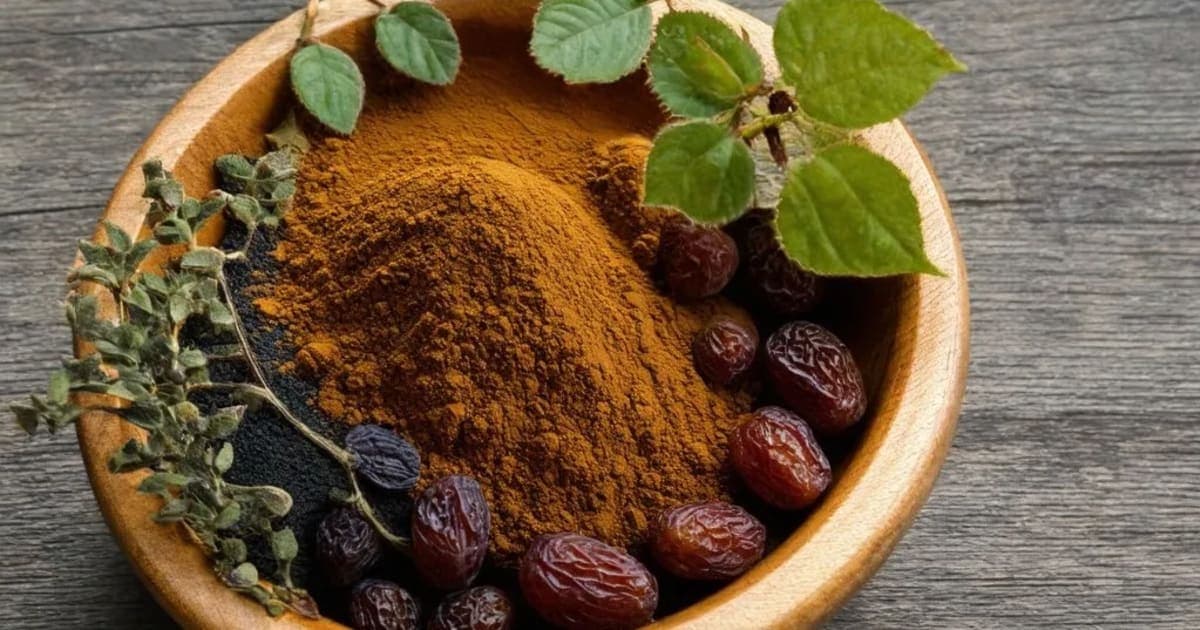
Draksha: Nourishing Benefits, Uses & Ayurvedic Properties
Expert Reviewed
Reviewed by AyurvedicUpchar Editorial Team
What is Draksha and why is it called the "Queen of Fruits"?
Draksha, the Sanskrit name for the common grape, is a sweet and cooling fruit revered in Ayurveda for its ability to instantly nourish depleted tissues and quench intense thirst. Unlike many herbs that require complex processing, fresh Draksha acts as a direct food-medicine, offering immediate relief from fatigue, dryness, and burning sensations. Charaka Samhita, the foundational text of internal medicine, lists Draksha among the Mahakashaya groups, specifically highlighting its role in restoring strength to the weak and emaciated.
When you bite into a ripe grape, the burst of juice does more than satisfy hunger; the sweet (Madhura) and sour (Amla) tastes work synergistically to build blood and calm the mind. This dual taste profile makes it unique among fruits, as it both nourishes deep tissues and gently stimulates digestion without creating excess heat. In traditional practice, elders often recommend chewing fresh grapes with their skin to maximize the fiber content, or soaking dried raisins overnight to create a hydrating morning tonic.
What are the Ayurvedic properties of Draksha?
The therapeutic action of Draksha is defined by its specific pharmacological profile, which determines how it interacts with your body's channels and tissues. It is characterized by heavy and unctuous qualities that slow down metabolism slightly to promote absorption, making it an excellent restorative for those who feel physically drained. The following table details the classical Dravyaguna properties that practitioners use to prescribe Draksha effectively:
| Property (Sanskrit) | Value | What it means for your body |
|---|---|---|
| Rasa (Taste) | Madhura (Sweet), Amla (Sour) | Builds tissue mass, calms the nervous system, and stimulates digestive fire without overheating. |
| Guna (Quality) | Guru (Heavy), Snigdha (Oily) | Provides deep nourishment and lubrication; slows down rapid movement in the body. |
| Virya (Potency) | Sheeta (Cooling) | Reduces inflammation, cools burning sensations, and soothes irritated mucous membranes. |
| Vipaka (Post-digestive) | Madhura (Sweet) | The final effect is nourishing and grounding, promoting tissue growth after digestion. |
| Prabhava (Special Effect) | Balya (Strengthener) | Uniquely restores physical strength and vitality even in severe debility. |
Note that while the table lists general properties, the form matters: fresh grapes are more hydrating and cooling, while dried Draksha (raisins) are more concentrated and slightly more heating due to the loss of water content.
Which doshas does Draksha balance?
Draksha primarily pacifies Vata and Pitta doshas due to its sweet taste, cooling energy, and oily quality. For someone with high Vata, the fruit's heaviness and unctuousness counteract dryness and anxiety, while its cooling nature soothes the acidity and inflammation typical of aggravated Pitta. However, because it is heavy and sweet, excessive consumption can increase Kapha, leading to sluggish digestion or mucus accumulation in prone individuals.
If you suffer from dry, cracked skin, constipation, or that scattered, anxious feeling typical of Vata imbalance, a handful of soaked raisins in the morning can act as a gentle anchor. Similarly, if you experience acid reflux or a burning sensation in the stomach—classic Pitta signs—the cooling juice of fresh grapes can provide immediate relief without suppressing your digestive fire entirely. Those with a Kapha constitution should enjoy Draksha in moderation, perhaps adding a pinch of ginger powder to cut through the heaviness and prevent congestion.
How is Draksha used in daily practice?
In daily Ayurvedic practice, Draksha is most commonly consumed as soaked raisins eaten on an empty stomach or as fresh juice blended with cooling herbs like coriander. A time-honored method involves soaking ten to twelve black raisins in water overnight; by morning, the water becomes infused with the fruit's minerals, and the rehydrated grapes are easier to digest for children and the elderly. This simple preparation transforms the dried fruit into a potent tonic for blood building and regularizing bowel movements.
Beyond simple consumption, Draksha serves as a key ingredient in Asavas and Aristas (fermented tonics) like Drakshasava, where it acts as both the base material and the fermenting agent. Home cooks in India often stew grapes with milk and a dash of cardamom to create a nightcap that promotes sound sleep and counters the drying effects of a long day. The sticky, sweet residue left after boiling grape juice, known as Draksha Ghrita when mixed with ghee, is traditionally applied to heal mouth ulcers and soothe sore throats.
Frequently Asked Questions
Can I eat Draksha if I have diabetes?
While Draksha is sweet, its cooling and nourishing nature can be beneficial in specific contexts, but diabetics must exercise caution due to its high natural sugar content. Consult an Ayurvedic practitioner to determine if the Balya (strengthening) effects outweigh the glycemic load for your specific condition.
Is it better to eat fresh grapes or raisins?
Fresh grapes are superior for cooling Pitta and hydrating the body, whereas raisins (dried Draksha) are more effective for building blood and relieving Vata-type constipation. Choose fresh fruit for summer heat and dried fruit for winter dryness or weakness.
Does Draksha cause weight gain?
Draksha can contribute to weight gain if consumed in excess by people with a Kapha constitution due to its heavy and sweet post-digestive effect. However, for underweight individuals or those recovering from illness, this same property helps restore healthy muscle mass and vitality.
Frequently Asked Questions
What is Draksha used for in Ayurveda?
Draksha is primarily used as a rasayana and Strength Promoter in Ayurvedic medicine. Grapes are nourishing and relieve thirst, fatigue, and constipation. It pacifies Vata, Pitta dosha.
How should I take Draksha?
Draksha can be taken as powder (1/2-1 tsp with warm water or milk), decoction (boil 1 tsp in water), or tablets (1-2 daily). Always start with a low dose and consult an Ayurvedic practitioner for personalized guidance.
Is Draksha safe during pregnancy?
Pregnant and nursing women should not take Draksha without consulting their doctor first. Most Ayurvedic herbs require medical supervision during pregnancy.
Which dosha does Draksha balance?
Draksha pacifies Vata, Pitta. Excessive use may increase Kapha dosha.
Can I take Draksha daily?
Draksha can be taken daily in recommended doses for 4-8 weeks. After that, take a 2-week break before resuming. Long-term use should be supervised by a qualified Ayurvedic practitioner.
What are the side effects of Draksha?
When taken in recommended doses, Draksha is generally safe. Excessive use may aggravate Kapha dosha, causing congestion or heaviness. Stop use if you experience any adverse reaction.
Related Articles
The Timeless Benefits of Triphala: An Ayurvedic Powerhouse
Discover the transformative benefits of Triphala, an ancient Ayurvedic blend of three fruits that supports digestion, immunity, weight management, and overall vitality.
5 min read
The Divine Benefits of Tulsi (Holy Basil) in Ayurveda
Discover the sacred benefits of Tulsi (Holy Basil) in Ayurveda. From boosting immunity and reducing stress to supporting heart health and digestion, learn how this divine herb can transform your well-being.
4 min read
The Remarkable Benefits of Giloy: An Ayurvedic Powerhouse
Discover the profound health benefits of Giloy, the Ayurvedic 'root of immortality.' Learn how this powerful herb boosts immunity, manages diabetes, improves digestion, and supports skin, hair, and bone health.
5 min read
The Remarkable Benefits of Ashwagandha: An Ayurvedic Perspective
Discover the ancient wisdom of Ashwagandha, a powerful Ayurvedic adaptogen known for reducing stress, boosting immunity, improving sleep, and enhancing physical strength.
4 min read
Brihatyadi Kashayam: Natural Relief for Urinary Tract Disorders and Cystitis
Brihatyadi Kashayam is a cooling Ayurvedic decoction that targets urinary burning and cystitis by balancing Vata and Pitta. Unlike standard teas, this concentrated liquid extract is specifically designed to reduce inflammation in the bladder lining while flushing out toxins.
5 min read
Asphota: Ayurvedic Brain Tonic, Calming Herb & Blood Purifier
Often overlooked, Asphota is a cooling, bitter herb that acts as a gentle brain tonic and blood purifier. While it shares traits with the popular Aparajita, its unique astringent quality makes it particularly effective for stopping bleeding and soothing inflamed tissues.
6 min read
References & Sources
This article is based on principles from classical Ayurvedic texts including Charaka Samhita, Sushruta Samhita, and Ashtanga Hridaya. Content has been reviewed for accuracy by our editorial team. For specific medical conditions, always consult a qualified Ayurvedic practitioner or healthcare provider.
- • Charaka Samhita (चरक संहिता)
- • Sushruta Samhita (सुश्रुत संहिता)
- • Ashtanga Hridaya (अष्टांग हृदय)
Found an error in this article? Let us know