
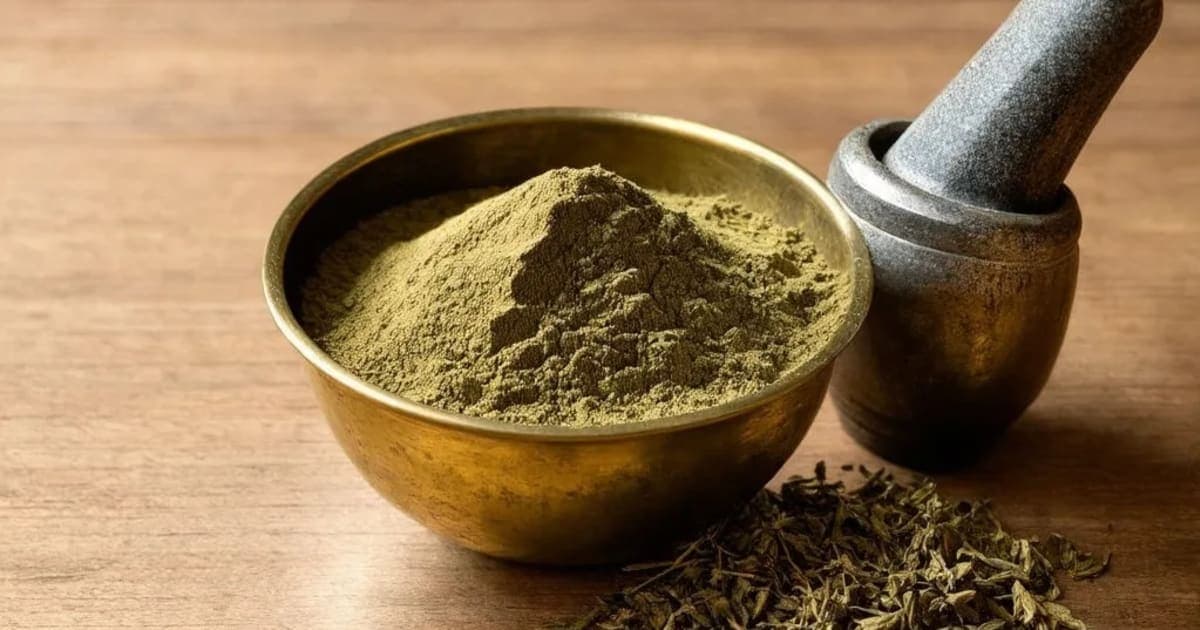
Hajrul Yahood Bhasma: Natural Relief for Kidney Stones and Urinary Health
Expert Reviewed
Reviewed by AyurvedicUpchar Editorial Team
What is Hajrul Yahood Bhasma and how does it work?
Hajrul Yahood Bhasma is a calcined ash derived from a specific fossilized stone, traditionally used in Ayurveda to dissolve kidney stones and support urinary tract health. Unlike fresh herbs, this mineral-based preparation is processed through rigorous heating until it becomes a fine, light powder that the body can absorb deeply.
In the classical texts, specifically the Bhavaprakash Nighantu, this substance is described as a potent agent for Ashmari Bhedana, meaning the breaking down of calculi or stones. It is not merely a diuretic; it works by altering the chemical environment of the urine, making it less likely for crystals to clump together and form larger obstructions.
A defining characteristic of Hajrul Yahood Bhasma is its ability to cool the urinary tract while simultaneously drying up excess fluid accumulation. This dual action makes it unique among urinary remedies, as it addresses both the heat of inflammation and the stagnation of fluids that lead to stone formation.
What are the specific Ayurvedic properties of Hajrul Yahood Bhasma?
The therapeutic power of Hajrul Yahood Bhasma comes from its unique combination of taste, potency, and post-digestive effect, which together target the urinary system directly. These properties explain why it is effective for clearing blockages without overly irritating sensitive tissues.
Understanding these five fundamental properties helps practitioners determine the right dosage and anupana (vehicle) for each patient. The table below outlines the precise pharmacological profile that dictates its action in the body:
| Property (Sanskrit) | Value | What it means for your body |
|---|---|---|
| Rasa (Taste) | Kashaya | Astringent; creates a drying, healing effect that helps stop bleeding and tighten tissues |
| Guna (Quality) | Ruksha | Dry; helps absorb excess moisture and prevents the formation of sticky mucus or sludge |
| Virya (Potency) | Sheeta | Cooling; immediately soothes the burning sensation often felt during urination |
| Vipaka (Post-digestive) | Katu | Pungent; creates a heating effect after digestion that aids in breaking down hardened stones |
| Dosha Effect | Pacifies Kapha | Primarily reduces Kapha accumulation; use with caution if Vata or Pitta are already high |
How does Hajrul Yahood Bhasma balance the Doshas?
Hajrul Yahood Bhasma primarily pacifies Kapha dosha, making it the go-to remedy for conditions caused by heaviness, stagnation, and excess fluid in the body. When Kapha accumulates in the kidneys or bladder, it manifests as dull pain, cloudy urine, or the formation of soft, muddy stones.
However, because of its dry and heating post-digestive effect, it can aggravate Vata and Pitta if used indiscriminately. People with a dry constitution, those prone to anxiety, or individuals experiencing severe burning sensations (high Pitta) must use this herb only under strict supervision. The drying nature of the ash can worsen dehydration or cause constipation in Vata types, while the pungent digestion phase may irritate inflamed tissues in Pitta types.
Who should consider taking Hajrul Yahood Bhasma?
You might benefit from Hajrul Yahood Bhasma if you experience symptoms of Kapha imbalance in the urinary system, such as a feeling of heaviness in the lower abdomen, frequent but scanty urination, or the presence of sand-like particles in the urine. It is also commonly used when a doctor has confirmed the presence of small kidney stones or gravel.
Practitioners often prescribe this in combination with other herbs like Gokshura or Punarnava to enhance its stone-dissolving capability while mitigating its drying side effects. A common traditional method involves mixing the fine powder with honey or warm water, taken twice daily after meals to ensure proper digestion.
Is Hajrul Yahood Bhasma safe for long-term use?
While Hajrul Yahood Bhasma is a powerful tool for treating urinary stones, it is not intended for indefinite daily use without breaks. Its strong drying and heating post-digestive effects can deplete body fluids if taken for too long.
Always consult a qualified Ayurvedic practitioner before starting this treatment, especially if you are pregnant, breastfeeding, or have chronic kidney disease. The dosage is highly specific and depends on the size of the stone and the individual's digestive fire. Self-medication with mineral preparations can lead to complications if the body cannot process the heavy metals involved, even when properly calcined.
Frequently Asked Questions
Can Hajrul Yahood Bhasma dissolve large kidney stones?
Hajrul Yahood Bhasma is most effective on small stones and gravel rather than large, calcified masses. For large stones, it is typically used as an adjunct therapy to prevent new formation and reduce pain while other treatments are pursued.
What is the best way to take Hajrul Yahood Bhasma?
It is traditionally mixed with honey or warm water to act as a vehicle that carries the mineral ash deep into the urinary tissues. The specific anupana depends on your dosha; honey is often preferred for its balancing qualities.
Does Hajrul Yahood Bhasma cause side effects?
Improper use can cause dryness, constipation, or increased burning sensations due to its drying and pungent post-digestive effects. These symptoms usually indicate that the dosage is too high for your current constitution.
How long does it take to see results with Hajrul Yahood Bhasma?
Results vary by individual, but many patients report reduced pain and easier urination within a few weeks of consistent use under medical supervision. Complete dissolution of stones may take several months depending on their size.
Disclaimer: This article is for informational purposes only and does not constitute medical advice. Hajrul Yahood Bhasma is a potent mineral preparation that requires professional guidance. Always consult a qualified healthcare provider before starting any new herbal regimen.
Frequently Asked Questions
What is Hajrul Yahood Bhasma used for in Ayurveda?
Hajrul Yahood Bhasma is primarily used as a Ashmaribhedana and Diuretic in Ayurvedic medicine. A fossilized stone ash used as a potent diuretic and for breaking down and expelling kidney and bladder stones. It pacifies Kapha dosha.
How should I take Hajrul Yahood Bhasma?
Hajrul Yahood Bhasma can be taken as powder (1/2-1 tsp with warm water or milk), decoction (boil 1 tsp in water), or tablets (1-2 daily). Always start with a low dose and consult an Ayurvedic practitioner for personalized guidance.
Is Hajrul Yahood Bhasma safe during pregnancy?
Pregnant and nursing women should not take Hajrul Yahood Bhasma without consulting their doctor first. Most Ayurvedic herbs require medical supervision during pregnancy.
Which dosha does Hajrul Yahood Bhasma balance?
Hajrul Yahood Bhasma pacifies Kapha. Excessive use may increase Vata, Pitta dosha.
Can I take Hajrul Yahood Bhasma daily?
Hajrul Yahood Bhasma can be taken daily in recommended doses for 4-8 weeks. After that, take a 2-week break before resuming. Long-term use should be supervised by a qualified Ayurvedic practitioner.
What are the side effects of Hajrul Yahood Bhasma?
When taken in recommended doses, Hajrul Yahood Bhasma is generally safe. Excessive use may aggravate Vata, Pitta dosha, causing acidity or skin issues. Stop use if you experience any adverse reaction.
Related Articles
The Timeless Benefits of Triphala: An Ayurvedic Powerhouse
Discover the transformative benefits of Triphala, an ancient Ayurvedic blend of three fruits that supports digestion, immunity, weight management, and overall vitality.
5 min read
The Divine Benefits of Tulsi (Holy Basil) in Ayurveda
Discover the sacred benefits of Tulsi (Holy Basil) in Ayurveda. From boosting immunity and reducing stress to supporting heart health and digestion, learn how this divine herb can transform your well-being.
4 min read
The Remarkable Benefits of Giloy: An Ayurvedic Powerhouse
Discover the profound health benefits of Giloy, the Ayurvedic 'root of immortality.' Learn how this powerful herb boosts immunity, manages diabetes, improves digestion, and supports skin, hair, and bone health.
5 min read
The Remarkable Benefits of Ashwagandha: An Ayurvedic Perspective
Discover the ancient wisdom of Ashwagandha, a powerful Ayurvedic adaptogen known for reducing stress, boosting immunity, improving sleep, and enhancing physical strength.
4 min read
Brihatyadi Kashayam: Natural Relief for Urinary Tract Disorders and Cystitis
Brihatyadi Kashayam is a cooling Ayurvedic decoction that targets urinary burning and cystitis by balancing Vata and Pitta. Unlike standard teas, this concentrated liquid extract is specifically designed to reduce inflammation in the bladder lining while flushing out toxins.
5 min read
Asphota: Ayurvedic Brain Tonic, Calming Herb & Blood Purifier
Often overlooked, Asphota is a cooling, bitter herb that acts as a gentle brain tonic and blood purifier. While it shares traits with the popular Aparajita, its unique astringent quality makes it particularly effective for stopping bleeding and soothing inflamed tissues.
6 min read
References & Sources
This article is based on principles from classical Ayurvedic texts including Charaka Samhita, Sushruta Samhita, and Ashtanga Hridaya. Content has been reviewed for accuracy by our editorial team. For specific medical conditions, always consult a qualified Ayurvedic practitioner or healthcare provider.
- • Charaka Samhita (चरक संहिता)
- • Sushruta Samhita (सुश्रुत संहिता)
- • Ashtanga Hridaya (अष्टांग हृदय)
Found an error in this article? Let us know