
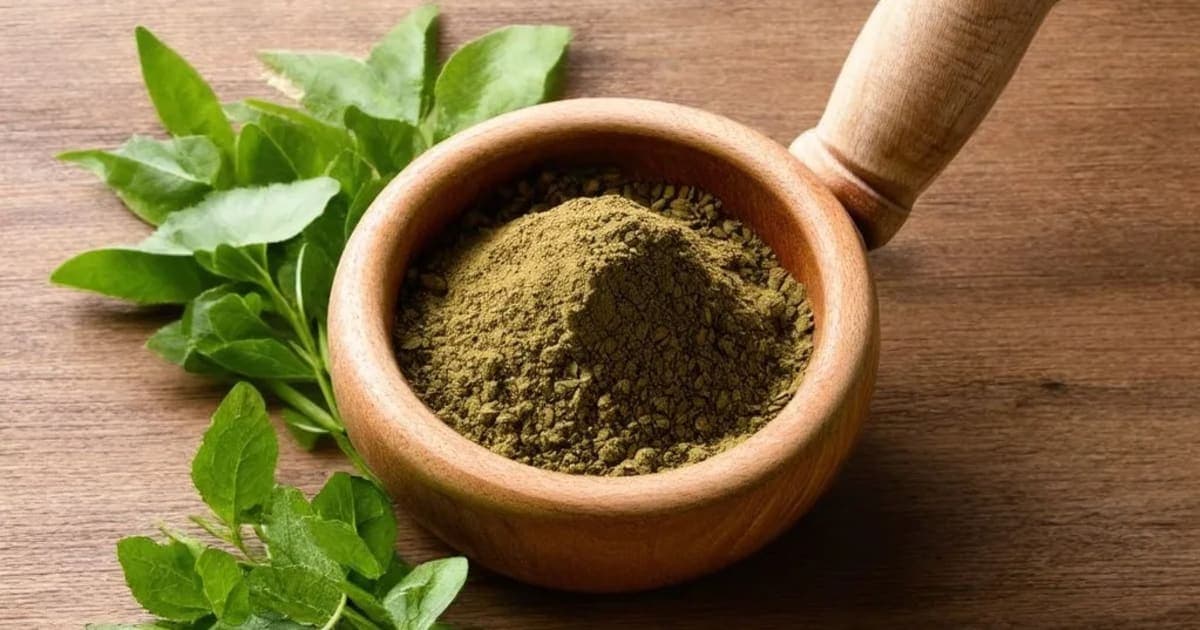
Yavakshara: Ancient Barley Alkali for Kidney Stones & Bloating
Expert Reviewed
Reviewed by AyurvedicUpchar Editorial Team
What is Yavakshara and how is it made?
Yavakshara is a purified alkaline salt prepared by burning mature barley (Yava) plants and collecting the resulting ash, traditionally used in Ayurveda to dissolve urinary stones and relieve severe abdominal bloating. Unlike raw herbs you might chew or brew, this substance appears as a white, crystalline powder with a sharp, salty taste that immediately stimulates saliva and warms the throat. While modern supplements often isolate compounds, Yavakshara represents a classical Sanskara (processing) technique where the fire element concentrates the barley's therapeutic potential into a potent diuretic agent.
Ancient texts like the Charaka Samhita (Sutra Sthana) specifically categorize this preparation for its ability to break down hardened accumulations in the body, particularly in the urinary tract. You will rarely find people chewing raw Yavakshara; instead, an Ayurvedic practitioner typically dissolves a pinch (about 250-500 mg) in warm water or mixes it with honey to mask its intense saline flavor before administration.
What are the Ayurvedic properties of Yavakshara?
The Ayurvedic profile of Yavakshara defines it as a heating substance with a salty taste and sharp qualities that rapidly penetrate tissues to liquefy stubborn mucus and calculi. These specific characteristics explain why it acts so quickly on urinary obstructions but requires careful dosing to avoid irritating sensitive tissues. Understanding these parameters helps predict exactly how the substance interacts with your unique constitution.
| Property (Sanskrit) | Value | Practical Effect on the Body |
|---|---|---|
| Rasa (Taste) | Lavana (Salty) | Softens hard masses, lubricates dry channels, and stimulates digestive fire. |
| Guna (Quality) | Laghu, Tikshna | Lightness aids quick absorption; sharpness breaks down stones and plaque. |
| Virya (Potency) | Ushna (Hot) | Generates heat to improve circulation and metabolize toxins (Ama). |
| Vipaka (Post-digestive) | Katu (Pungent) | Continues to clear blockages in the colon and urinary tract after digestion. |
| Prabhava (Special Effect) | Ashmaribheda | Specifically known for its unique ability to fragment urinary calculi. |
Which doshas does Yavakshara balance?
Yavakshara primarily pacifies Kapha and Vata doshas by using its heat to dry up excess fluid retention and its unctuous salty quality to soothe Vata dryness. This dual action makes it exceptionally useful for conditions where cold, heavy stagnation meets dry, erratic movement, such as in chronic bloating or joint stiffness accompanied by swelling. However, its heating potency means it can easily aggravate Pitta if used without supervision.
If you have a dominant Pitta constitution or are currently experiencing symptoms like acid reflux, skin rashes, or excessive thirst, this herb might increase those fiery symptoms. A grandmother's trick in many Indian households involves mixing a tiny amount of Yavakshara with ghee or milk fat when treating Vata-type constipation; the fat buffers the sharpness, preventing the heat from irritating the gut lining while still delivering the laxative benefit.
How do you know if you need Yavakshara?
You likely need Yavakshara if you suffer from gritty sensation during urination, cloudy urine, or a feeling of incomplete emptying, which are classic signs of urinary calculi or Kapha stagnation in the bladder. It is also indicated for those with a heavy, bloated abdomen that feels cold to the touch and does not improve with standard digestive teas. These specific symptoms suggest a buildup of hard, cold matter that requires the sharp, heating action of barley alkali to resolve.
What are the primary health benefits of Yavakshara?
The most celebrated benefit of Yavakshara is its capacity to act as a lithotriptic, meaning it helps fragment and flush out kidney and bladder stones without surgical intervention. By increasing urine output and altering the pH of the urinary tract, it prevents minerals from crystallizing further while helping to expel existing gravel. This specific action is why it remains a cornerstone in formulations for Ashmari (urinary stones).
Beyond the kidneys, it serves as a powerful digestive aid for those who feel food sitting like a rock in their stomach. When taken in small doses with warm water before a meal, it kindles Jatharagni (digestive fire), reducing the heaviness associated with Kapha-type indigestion. Some traditional practitioners also apply a paste of Yavakshara and water topically on swollen lymph nodes or cold abscesses to encourage drainage, leveraging its ability to soften hard lumps.
Frequently Asked Questions
Is Yavakshara safe to take daily?
No, Yavakshara is not intended for daily long-term use like a food supplement; it is a potent medicinal alkali usually prescribed for short durations (7-14 days) to resolve specific blockages. Continuous use can erode the mucosal lining of the stomach and excessively increase body heat, leading to acidity or burning sensations.
Can Yavakshara dissolve kidney stones completely?
Yavakshara is effective at breaking down small calcium-based stones and preventing new formations, but its success depends on the stone's size and composition. Large stones often require a combination of therapies and strict dietary changes under a doctor's supervision, as the herb works best as part of a comprehensive protocol rather than a standalone cure.
How does Yavakshara taste and how is it consumed?
It has an intensely salty and slightly bitter taste with a heating aftereffect that can burn the throat if taken undiluted. It is almost always consumed by dissolving a measured pinch in warm water, milk, or honey, never swallowed as a dry powder.
Frequently Asked Questions
What is Yavakshara used for in Ayurveda?
Yavakshara is primarily used as a Diuretic and Appetite Stimulant in Ayurvedic medicine. An alkaline preparation from Barley, used as a diuretic and to treat urinary calculi and abdominal bloating. It pacifies Kapha, Vata dosha.
How should I take Yavakshara?
Yavakshara can be taken as powder (1/2-1 tsp with warm water or milk), decoction (boil 1 tsp in water), or tablets (1-2 daily). Always start with a low dose and consult an Ayurvedic practitioner for personalized guidance.
Is Yavakshara safe during pregnancy?
Pregnant and nursing women should not take Yavakshara without consulting their doctor first. Most Ayurvedic herbs require medical supervision during pregnancy.
Which dosha does Yavakshara balance?
Yavakshara pacifies Kapha, Vata. Excessive use may increase Pitta dosha.
Can I take Yavakshara daily?
Yavakshara can be taken daily in recommended doses for 4-8 weeks. After that, take a 2-week break before resuming. Long-term use should be supervised by a qualified Ayurvedic practitioner.
What are the side effects of Yavakshara?
When taken in recommended doses, Yavakshara is generally safe. Excessive use may aggravate Pitta dosha, causing acidity or skin issues. Stop use if you experience any adverse reaction.
Related Articles
The Timeless Benefits of Triphala: An Ayurvedic Powerhouse
Discover the transformative benefits of Triphala, an ancient Ayurvedic blend of three fruits that supports digestion, immunity, weight management, and overall vitality.
5 min read
The Divine Benefits of Tulsi (Holy Basil) in Ayurveda
Discover the sacred benefits of Tulsi (Holy Basil) in Ayurveda. From boosting immunity and reducing stress to supporting heart health and digestion, learn how this divine herb can transform your well-being.
4 min read
The Remarkable Benefits of Giloy: An Ayurvedic Powerhouse
Discover the profound health benefits of Giloy, the Ayurvedic 'root of immortality.' Learn how this powerful herb boosts immunity, manages diabetes, improves digestion, and supports skin, hair, and bone health.
5 min read
The Remarkable Benefits of Ashwagandha: An Ayurvedic Perspective
Discover the ancient wisdom of Ashwagandha, a powerful Ayurvedic adaptogen known for reducing stress, boosting immunity, improving sleep, and enhancing physical strength.
4 min read
Brihatyadi Kashayam: Natural Relief for Urinary Tract Disorders and Cystitis
Brihatyadi Kashayam is a cooling Ayurvedic decoction that targets urinary burning and cystitis by balancing Vata and Pitta. Unlike standard teas, this concentrated liquid extract is specifically designed to reduce inflammation in the bladder lining while flushing out toxins.
5 min read
Asphota: Ayurvedic Brain Tonic, Calming Herb & Blood Purifier
Often overlooked, Asphota is a cooling, bitter herb that acts as a gentle brain tonic and blood purifier. While it shares traits with the popular Aparajita, its unique astringent quality makes it particularly effective for stopping bleeding and soothing inflamed tissues.
6 min read
References & Sources
This article is based on principles from classical Ayurvedic texts including Charaka Samhita, Sushruta Samhita, and Ashtanga Hridaya. Content has been reviewed for accuracy by our editorial team. For specific medical conditions, always consult a qualified Ayurvedic practitioner or healthcare provider.
- • Charaka Samhita (चरक संहिता)
- • Sushruta Samhita (सुश्रुत संहिता)
- • Ashtanga Hridaya (अष्टांग हृदय)
Found an error in this article? Let us know