
Yava (Barley): Digestive Benefits, Dosha Balance & Ayurvedic Uses
Expert Reviewed
Reviewed by AyurvedicUpchar Editorial Team
What is Yava and why is it used in Ayurveda?
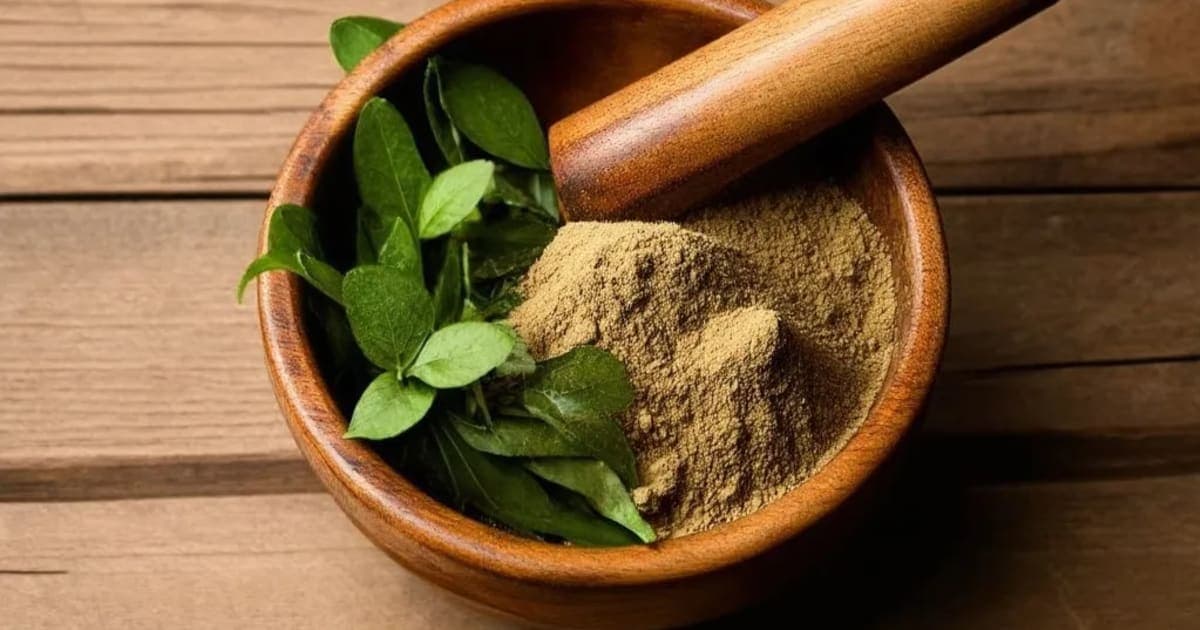
Yava, known globally as barley, is a cooling cereal grain revered in Ayurveda for its ability to scrape away excess fat, improve digestion, and reduce inflammation. Unlike many other grains that can feel heavy or mucus-forming, Yava possesses a unique drying quality that makes it the gold standard for managing obesity and Kapha disorders. You will often find grandmothers in India roasting these golden kernels until they smell like warm bread, then boiling them into a thin, earthy gruel called Yavagu to soothe a feverish stomach.
The Charaka Samhita, specifically in the Sutra Sthana section, lists Yava as the best of all grains (Vara Dhanya) for restoring strength without clogging the channels of the body. This ancient classification is not just poetic; it reflects a deep understanding of how this specific seed interacts with human metabolism. While modern diets often fear carbohydrates, Ayurvedic wisdom distinguishes Yava for its lightness and its power to cleanse rather than accumulate.
When you chew on a roasted barley grain, you first taste a mild sweetness that nourishes the tissues, followed quickly by an astringent, drying sensation that signals its healing potential. This specific taste profile is what allows Yava to stop minor bleeding, heal ulcers, and dry up excess moisture in the lungs or joints. It is a food that acts as medicine, particularly when the body feels sluggish, overheated, or weighed down by toxins.
What are the Ayurvedic properties of Yava?
The Ayurvedic properties of Yava define exactly how this grain transforms once it enters your digestive fire, moving from a simple food to a therapeutic agent. Its classification relies on five fundamental parameters that determine whether it will heat or cool your body, dry or moisten your tissues, and which energy centers it influences most. Understanding these mechanics helps explain why Yava is prescribed for diabetes and skin rashes but used with caution in the elderly or those with severe joint pain.
| Property (Sanskrit) | Value | What it means for your body |
|---|---|---|
| Rasa (Taste) | Kashaya (Astringent), Madhura (Sweet) | The astringency dries excess fluid and heals wounds, while the sweetness builds tissue and calms the mind without causing heaviness. |
| Guna (Quality) | Laghu (Light), Ruksha (Dry) | These qualities ensure quick absorption and a scraping action that removes fat and mucus from the intestinal walls. |
| Virya (Potency) | Sheeta (Cooling) | Yava actively reduces body heat, making it ideal for burning sensations, acid reflux, and inflammatory skin conditions. |
| Vipaka (Post-digestive) | Katu (Pungent) | After digestion, the pungent effect helps break down fat deposits and prevents the formation of new mucus or plaque. |
This specific combination of being light, dry, and cooling is rare among grains, which is why Yava stands out in the Bhavaprakash Nighantu as a primary remedy for Prameha (a category of urinary disorders including diabetes). The drying quality (Ruksha) is the active force that scrubs the colon, while the cooling potency (Sheeta) ensures this scrubbing does not generate irritating heat. For anyone dealing with sticky, slow-moving health issues, these properties make Yava a precise tool for restoration.
Which doshas does Yava balance?
Yava primarily pacifies Kapha and Pitta doshas due to its drying, light, and cooling nature, making it an excellent dietary choice for those struggling with weight gain, water retention, or inflammatory heat. When Kapha accumulates, it creates lethargy and congestion, while aggravated Pitta manifests as acidity and anger; Yava addresses both by physically scraping away the excess and cooling the internal environment. However, this same drying power means it can aggravate Vata if consumed in excess or without proper preparation.
People with a dominant Vata constitution often feel the effects of Yava too quickly. Because the grain is so dry and light, eating it daily without added fats like ghee or milk can lead to cracked skin, joint stiffness, anxiety, and irregular digestion. If you are Vata-dominant, you do not need to avoid Yava entirely, but you should always consume it well-cooked in a soup or porridge with plenty of oil to counterbalance its rough texture.
Signs you might benefit from Yava
You are likely a good candidate for including more Yava in your diet if you frequently experience symptoms of high Kapha or Pitta, such as a coated tongue, afternoon sluggishness, acne breakouts, or a constant feeling of heat in the palms and feet. If your joints feel swollen rather than dry and brittle, or if you struggle with urinary discomfort and frequent thirst, the cooling and diuretic action of barley water can bring immediate relief. These are classic signs that your body needs the cleansing, heat-reducing support that only Yava provides.
What are the primary health benefits of Yava?
The primary health benefits of Yava center on its ability to manage weight, regulate blood sugar, and cool the digestive tract without depleting the body's strength. Modern research supports what Ayurveda has known for millennia: the beta-glucan fiber in barley helps modulate glucose absorption, while its astringent taste helps tighten loose tissues and reduce excessive secretions. Whether used as a flour for baking or boiled as a whole grain, Yava acts as a gentle detoxifier.
In practical terms, people use Yava in three main ways depending on their goal. For fever or dehydration, a thin broth (Yavagu) made by boiling one part grain in fourteen parts water is sipped slowly to hydrate and cool. For diabetes management or weight loss, roasted barley flour mixed with warm water and a pinch of turmeric is taken before meals to reduce appetite and scrape fat. For skin inflammation, a fine paste of barley flour and rose water is applied topically to draw out heat and reduce redness.
It is important to remember that while Yava is a powerhouse for reduction and cleansing, it is not a building food for everyone. Its light and dry nature means it should be paired with nourishing spices like cumin, coriander, and a dash of ghee to ensure the digestive fire remains strong. This balance allows you to harness its cleansing power without triggering the gas and bloating associated with Vata imbalance.
Frequently Asked Questions
Is barley good for reducing belly fat?
Yes, Yava (barley) is highly effective for reducing belly fat because its dry and light qualities scrape away accumulated mucus and fat deposits from the abdomen. Its pungent post-digestive effect (Katu Vipaka) specifically targets metabolic waste, making it a staple in Ayurvedic weight loss diets.
Can I eat Yava if I have high Vata or joint pain?
You should use Yava with caution if you have high Vata or chronic joint pain, as its dry and rough qualities can worsen stiffness and gas. If you choose to eat it, always cook it into a soft porridge with ghee, milk, or oil to neutralize its drying effects.
How is Yava water prepared for fever and dehydration?
To make traditional Yava water, boil one part of washed barley grains in fourteen parts of water until the liquid reduces significantly and becomes slightly thick. Strain the liquid and drink it warm; this simple preparation is renowned for restoring hydration and cooling the body during fevers.
Does Yava help with diabetes and blood sugar control?
Yava is considered a premier food for managing Prameha (urinary disorders including diabetes) due to its ability to reduce Kapha and improve insulin sensitivity. The fiber content slows down sugar absorption, while its astringent taste helps heal tissues damaged by high blood sugar levels.
Disclaimer: This content is for educational purposes only and is based on traditional Ayurvedic texts. It is not medical advice. Please consult a qualified Ayurvedic practitioner or healthcare provider before making significant changes to your diet, especially if you have a chronic condition or are pregnant.
Frequently Asked Questions
What is Yava used for in Ayurveda?
Yava is primarily used as a Fat Scraper and Diuretic in Ayurvedic medicine. Barley grain improves digestion, is diuretic and ideal in obesity. It pacifies Kapha, Pitta dosha.
How should I take Yava?
Yava can be taken as powder (1/2-1 tsp with warm water or milk), decoction (boil 1 tsp in water), or tablets (1-2 daily). Always start with a low dose and consult an Ayurvedic practitioner for personalized guidance.
Is Yava safe during pregnancy?
Pregnant and nursing women should not take Yava without consulting their doctor first. Most Ayurvedic herbs require medical supervision during pregnancy.
Which dosha does Yava balance?
Yava pacifies Kapha, Pitta. Excessive use may increase Vata dosha.
Can I take Yava daily?
Yava can be taken daily in recommended doses for 4-8 weeks. After that, take a 2-week break before resuming. Long-term use should be supervised by a qualified Ayurvedic practitioner.
What are the side effects of Yava?
When taken in recommended doses, Yava is generally safe. Excessive use may aggravate Vata dosha, causing gas or bloating. Stop use if you experience any adverse reaction.
Related Articles
The Timeless Benefits of Triphala: An Ayurvedic Powerhouse
Discover the transformative benefits of Triphala, an ancient Ayurvedic blend of three fruits that supports digestion, immunity, weight management, and overall vitality.
5 min read
The Divine Benefits of Tulsi (Holy Basil) in Ayurveda
Discover the sacred benefits of Tulsi (Holy Basil) in Ayurveda. From boosting immunity and reducing stress to supporting heart health and digestion, learn how this divine herb can transform your well-being.
4 min read
The Remarkable Benefits of Giloy: An Ayurvedic Powerhouse
Discover the profound health benefits of Giloy, the Ayurvedic 'root of immortality.' Learn how this powerful herb boosts immunity, manages diabetes, improves digestion, and supports skin, hair, and bone health.
5 min read
The Remarkable Benefits of Ashwagandha: An Ayurvedic Perspective
Discover the ancient wisdom of Ashwagandha, a powerful Ayurvedic adaptogen known for reducing stress, boosting immunity, improving sleep, and enhancing physical strength.
4 min read
Brihatyadi Kashayam: Natural Relief for Urinary Tract Disorders and Cystitis
Brihatyadi Kashayam is a cooling Ayurvedic decoction that targets urinary burning and cystitis by balancing Vata and Pitta. Unlike standard teas, this concentrated liquid extract is specifically designed to reduce inflammation in the bladder lining while flushing out toxins.
5 min read
Asphota: Ayurvedic Brain Tonic, Calming Herb & Blood Purifier
Often overlooked, Asphota is a cooling, bitter herb that acts as a gentle brain tonic and blood purifier. While it shares traits with the popular Aparajita, its unique astringent quality makes it particularly effective for stopping bleeding and soothing inflamed tissues.
6 min read
References & Sources
This article is based on principles from classical Ayurvedic texts including Charaka Samhita, Sushruta Samhita, and Ashtanga Hridaya. Content has been reviewed for accuracy by our editorial team. For specific medical conditions, always consult a qualified Ayurvedic practitioner or healthcare provider.
- • Charaka Samhita (चरक संहिता)
- • Sushruta Samhita (सुश्रुत संहिता)
- • Ashtanga Hridaya (अष्टांग हृदय)
Found an error in this article? Let us know