
Vidaryadi Kashayam: Benefits for Heart Health, Recovery & Vata Balance
Expert Reviewed
Reviewed by AyurvedicUpchar Editorial Team
What is Vidaryadi Kashayam and how does it work?
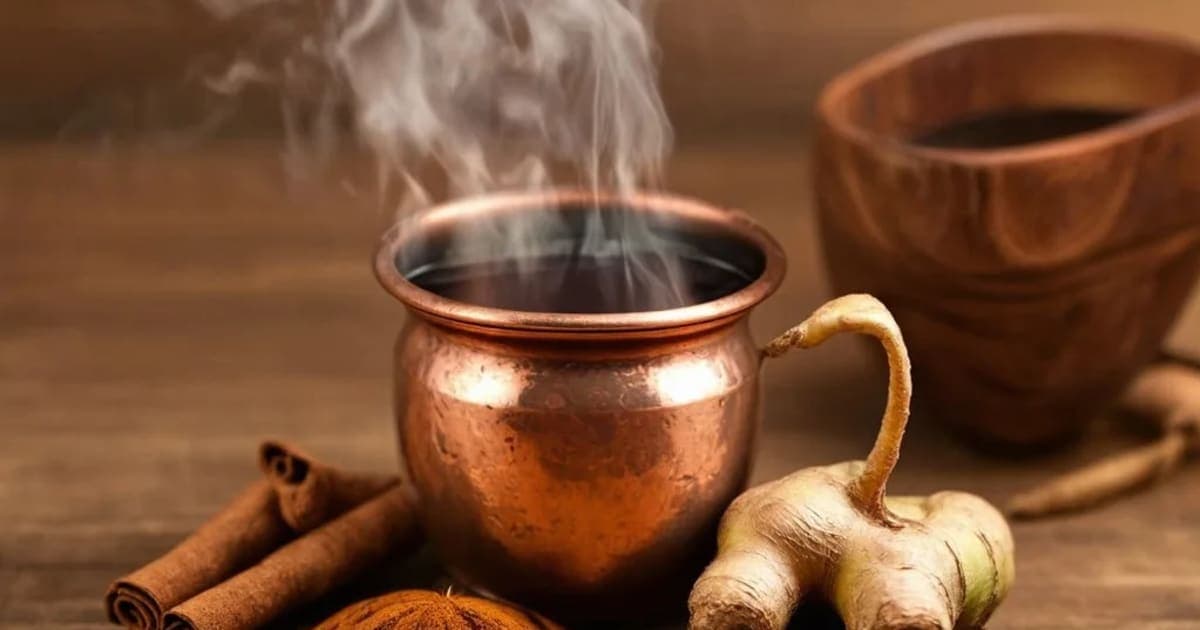
Vidaryadi Kashayam is a traditional Ayurvedic decoction centered on the tuberous root of Pueraria tuberosa (Vidari), blended with supporting herbs to nourish the heart, rebuild tissues after illness, and calm the nervous system. Unlike a simple tea, this is a slow-simmered preparation where the water reduces to concentrate the healing properties of the roots and barks. The resulting liquid is dark, earthy, and distinctly sweet, carrying the heavy, grounding energy needed to settle a racing mind or a weak heart.
In classical Ayurvedic texts like the Charaka Samhita (Sutra Sthana), formulations containing Vidari are described as Balya, meaning they provide strength and vitality. The specific combination in this kashayam targets the depletion that follows fever, surgery, or chronic stress. A key distinction in its action is its cooling nature; while it builds mass, it does so without generating the internal heat that other tonics might, making it uniquely suited for those with a sensitive digestion or inflammatory tendencies.
People often use this decoction in the evening, sipping a warm cup mixed with a little ghee or milk to enhance its tissue-building effects. The sweetness of the decoction acts as a carrier, ensuring the medicinal compounds penetrate deep into the dhatus (body tissues) rather than just passing through the digestive tract.
What are the specific Ayurvedic properties of Vidaryadi Kashayam?
The therapeutic action of Vidaryadi Kashayam is defined by five core properties: it tastes sweet, feels heavy to digest, possesses a cooling potency, and leaves a sweet post-digestive effect. These characteristics make it an ideal nourisher that calms inflammation while building physical strength and mental stability.
Understanding these properties helps you predict how your body will respond. Because it is heavy and sweet, it moves slowly through the system, providing sustained energy rather than a quick spike. The cooling potency is particularly valuable for balancing Pitta, while the sweet taste pacifies the erratic movement of Vata.
| Property (Sanskrit) | Value | What it means for your body |
|---|---|---|
| Rasa (Taste) | Madhura (Sweet) | Provides immediate nourishment, builds muscle and fat tissues, and soothes the nervous system. |
| Guna (Quality) | Guru (Heavy) | Requires strong digestion to process; creates a grounding, stabilizing effect on the body. |
| Virya (Potency) | Sheeta (Cooling) | Reduces excess body heat, inflammation, and burning sensations in the stomach or tissues. |
| Vipaka (Post-digestive) | Madhura (Sweet) | Continues to nourish tissues after digestion is complete, supporting long-term recovery. |
Which doshas does Vidaryadi Kashayam balance or aggravate?
Vidaryadi Kashayam primarily balances Vata and Pitta doshas by providing deep nourishment and cooling relief, but it can aggravate Kapha if used in excess due to its heavy and sweet nature. This makes it a perfect remedy for someone feeling anxious, dry, or overheated, but potentially problematic for someone already feeling sluggish or congested.
For those with high Vata, the decoction acts like a warm blanket for the nervous system, stopping tremors, settling insomnia, and lubricating dry joints. For high Pitta, it cools the blood and stomach lining, reducing acidity and irritability. However, if you have a Kapha constitution—characterized by a slow metabolism, tendency toward weight gain, or frequent congestion—you must use this kashayam with caution. The heavy, sweet nature can increase mucus production and lead to a feeling of lethargy if the dose is too high or taken too late in the day.
When should you reach for Vidaryadi Kashayam?
You should consider Vidaryadi Kashayam when you experience signs of deep tissue depletion, such as unexplained weight loss, chronic fatigue after an illness, dry skin that won't moisturize, or a heart that feels weak and fluttery. It is also highly effective for anxiety that stems from physical exhaustion rather than mental stress.
Common scenarios include recovery from a long fever, post-surgery healing where the body feels thin and weak, or for elderly individuals who are losing muscle mass and need gentle support. A grandmother's tip for using this decoction is to add a pinch of cardamom to the warm drink if you feel any heaviness, as it helps keep the digestion moving while still delivering the nourishment.
What are the specific precautions for using Vidaryadi Kashayam?
The main precaution for Vidaryadi Kashayam is to avoid it if you have active respiratory congestion, a cold with heavy phlegm, or a sluggish metabolism, as its heavy and sweet nature can worsen these conditions. Unlike many other tonics, it should not be taken immediately after a heavy meal, as its Guru (heavy) quality can overwhelm the digestive fire.
Additionally, because it is a cooling herb, people with very low digestive fire (Agni) or those prone to frequent diarrhea may find it causes bloating. It is best taken on an empty stomach in the morning or as a bedtime tonic with warm milk, but never with cold drinks. Always consult a practitioner if you have diabetes, as the sweet taste and inherent sugars in the root can affect blood glucose levels.
Frequently Asked Questions about Vidaryadi Kashayam
Can Vidaryadi Kashayam help with anxiety and insomnia?
Yes, Vidaryadi Kashayam is effective for anxiety and insomnia caused by Vata imbalance because its sweet taste and cooling potency calm the nervous system and ground the mind. It is often taken warm with milk before bed to promote deep, restful sleep.
Is Vidaryadi Kashayam safe for children and the elderly?
It is generally safe and beneficial for children recovering from illness and the elderly needing tissue nourishment, provided the dose is adjusted for their smaller body mass and digestion. Always consult an Ayurvedic practitioner to determine the correct dosage for these age groups.
How long does it take to see results from Vidaryadi Kashayam?
While some soothing effects on the nervous system may be felt within days, significant tissue rebuilding and strength recovery typically take 4 to 8 weeks of consistent daily use. Ayurvedic tonics work gradually to restore the body's foundation rather than offering an instant fix.
Can I take Vidaryadi Kashayam if I have high cholesterol?
Use caution if you have high cholesterol, as the heavy and sweet nature of the decoction can increase lipid levels if taken in excess or with added fats like ghee. It is best used under the guidance of a practitioner who can adjust the formulation or dosage.
What is the best way to store Vidaryadi Kashayam?
Since it is a fresh decoction, it should be stored in a glass container in the refrigerator and consumed within 24 to 48 hours to prevent fermentation. Heating it gently before serving restores its therapeutic warmth and efficacy.
Frequently Asked Questions
What is Vidaryadi Kashayam used for in Ayurveda?
Vidaryadi Kashayam is primarily used as a Heart Tonic and Strength Promoter in Ayurvedic medicine. A decoction of Vidari and other herbs, used as a cardiac tonic and for post-illness recovery. It pacifies Vata, Pitta dosha.
How should I take Vidaryadi Kashayam?
Vidaryadi Kashayam can be taken as powder (1/2-1 tsp with warm water or milk), decoction (boil 1 tsp in water), or tablets (1-2 daily). Always start with a low dose and consult an Ayurvedic practitioner for personalized guidance.
Is Vidaryadi Kashayam safe during pregnancy?
Pregnant and nursing women should not take Vidaryadi Kashayam without consulting their doctor first. Most Ayurvedic herbs require medical supervision during pregnancy.
Which dosha does Vidaryadi Kashayam balance?
Vidaryadi Kashayam pacifies Vata, Pitta. Excessive use may increase Kapha dosha.
Can I take Vidaryadi Kashayam daily?
Vidaryadi Kashayam can be taken daily in recommended doses for 4-8 weeks. After that, take a 2-week break before resuming. Long-term use should be supervised by a qualified Ayurvedic practitioner.
What are the side effects of Vidaryadi Kashayam?
When taken in recommended doses, Vidaryadi Kashayam is generally safe. Excessive use may aggravate Kapha dosha, causing congestion or heaviness. Stop use if you experience any adverse reaction.
Related Articles
The Timeless Benefits of Triphala: An Ayurvedic Powerhouse
Discover the transformative benefits of Triphala, an ancient Ayurvedic blend of three fruits that supports digestion, immunity, weight management, and overall vitality.
5 min read
The Divine Benefits of Tulsi (Holy Basil) in Ayurveda
Discover the sacred benefits of Tulsi (Holy Basil) in Ayurveda. From boosting immunity and reducing stress to supporting heart health and digestion, learn how this divine herb can transform your well-being.
4 min read
The Remarkable Benefits of Giloy: An Ayurvedic Powerhouse
Discover the profound health benefits of Giloy, the Ayurvedic 'root of immortality.' Learn how this powerful herb boosts immunity, manages diabetes, improves digestion, and supports skin, hair, and bone health.
5 min read
The Remarkable Benefits of Ashwagandha: An Ayurvedic Perspective
Discover the ancient wisdom of Ashwagandha, a powerful Ayurvedic adaptogen known for reducing stress, boosting immunity, improving sleep, and enhancing physical strength.
4 min read
Brihatyadi Kashayam: Natural Relief for Urinary Tract Disorders and Cystitis
Brihatyadi Kashayam is a cooling Ayurvedic decoction that targets urinary burning and cystitis by balancing Vata and Pitta. Unlike standard teas, this concentrated liquid extract is specifically designed to reduce inflammation in the bladder lining while flushing out toxins.
5 min read
Asphota: Ayurvedic Brain Tonic, Calming Herb & Blood Purifier
Often overlooked, Asphota is a cooling, bitter herb that acts as a gentle brain tonic and blood purifier. While it shares traits with the popular Aparajita, its unique astringent quality makes it particularly effective for stopping bleeding and soothing inflamed tissues.
6 min read
References & Sources
This article is based on principles from classical Ayurvedic texts including Charaka Samhita, Sushruta Samhita, and Ashtanga Hridaya. Content has been reviewed for accuracy by our editorial team. For specific medical conditions, always consult a qualified Ayurvedic practitioner or healthcare provider.
- • Charaka Samhita (चरक संहिता)
- • Sushruta Samhita (सुश्रुत संहिता)
- • Ashtanga Hridaya (अष्टांग हृदय)
Found an error in this article? Let us know