
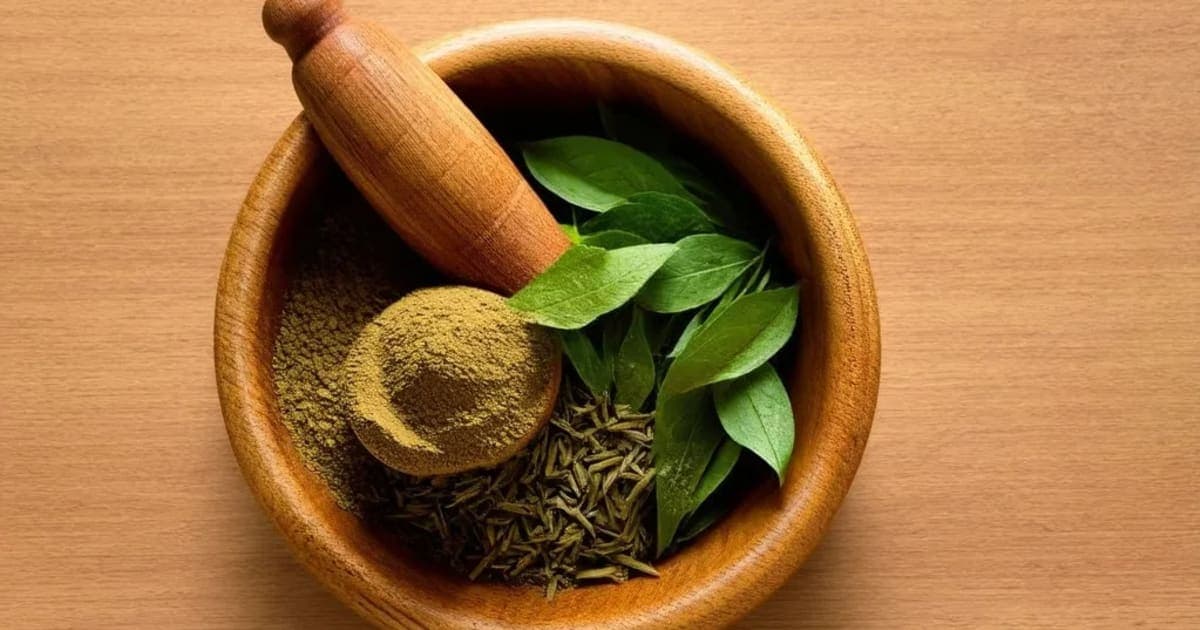
Vidari: Rejuvenating Tonic for Strength, Lactation & Vitality
Expert Reviewed
Reviewed by AyurvedicUpchar Editorial Team
What is Vidari and why is it called the "Earth's Milk"?
Vidari (Pueraria tuberosa) is a starchy, sweet-tasting root revered in Ayurveda as a premier rejuvenative tonic that builds deep tissue strength, supports healthy lactation, and restores vitality to the exhausted body. Often called "Ksheeravidari" or "Earth's Milk" due to its milky sap and nourishing profile, this tuber looks unassuming on the outside with rough, brown skin, but inside lies a crisp, white flesh that tastes distinctly sweet and cooling, much like a cross between a potato and licorice root.
Classical texts like the Charaka Samhita (Sutra Sthana) classify Vidari among the most potent Brimhaniya (bulk-promoting) herbs, specifically noting its ability to increase Ojas, the subtle essence of immunity and vigor. Unlike synthetic supplements that force energy, Vidari works by providing the raw materials your body needs to repair itself, making it a staple for new mothers, the elderly, and anyone recovering from chronic illness or excessive physical exertion.
What are the Ayurvedic properties of Vidari?
The Ayurvedic classification of Vidari reveals exactly how this heavy, cooling, and sweet herb interacts with your physiology to build mass and calm heat. Understanding these specific pharmacological markers—known as Dravyaguna—helps you predict whether Vidari will balance your unique constitution or create sluggishness if your digestion is weak.
| Property (Sanskrit) | Value | What it means for your body |
|---|---|---|
| Rasa (Taste) | Madhura (Sweet) | Deeply nourishing; builds muscle and fat tissue while calming the nervous system. |
| Guna (Quality) | Guru (Heavy), Snigdha (Oily) | Penetrates deep into tissues but requires strong digestion; provides unctuousness to dry joints. |
| Virya (Potency) | Sheeta (Cooling) | Soothes inflammation, reduces burning sensations, and cools excess body heat immediately. |
| Vipaka (Post-digestive) | Madhura (Sweet) | The long-term effect promotes tissue growth and stability rather than elimination or lightness. |
| Prabhava (Special Effect) | Stambhana (Astringent/Stabilizing) | Uniquely arrests excessive flow (like diarrhea or premature ejaculation) while building strength. |
Which doshas does Vidari balance?
Vidari primarily pacifies Vata and Pitta doshas due to its heavy, oily, and cooling nature, making it an ideal remedy for conditions marked by dryness, heat, or instability. If you suffer from the cracking joints and anxiety of high Vata or the acidity and irritability of high Pitta, Vidari acts as a soothing balm that grounds erratic energy and cools internal fire.
However, because Vidari is so rich and heavy, it can aggravate Kapha dosha if used indiscriminately. People who already struggle with congestion, water retention, or a slow metabolism should use this herb only in small doses or combined with warming spices like ginger and black pepper to prevent lethargy and mucus formation.
Recognizing the need for Vidari: You likely need Vidari if your skin feels dry and cracked like old leather, if you feel cold even in warm rooms, or if you experience racing thoughts that keep you awake at night. These are classic signs of Vata imbalance where the body lacks the lubrication and grounding that Vidari's snigdha (oily) quality provides.
How is Vidari traditionally used for health benefits?
Vidari is most effectively used as a powder mixed with warm milk and ghee to treat weakness, support lactation in new mothers, and restore sexual vitality in men. The traditional preparation method matters immensely here; simply swallowing the powder dry renders it less effective because its heavy, starchy nature requires a lipid carrier (like ghee or milk fat) for proper absorption into the deeper tissues.
In rural India, fresh Vidari root is sometimes chewed raw to instantly soothe a burning throat or stop a bout of diarrhea, leveraging its astringent and cooling Prabhava. For general rejuvenation, a common household recipe involves simmering one teaspoon of Vidari powder in a cup of cow's milk with a pinch of cardamom, creating a bedtime drink that promotes sound sleep and muscle repair overnight.
Frequently Asked Questions
What is Vidari powder good for?
Vidari powder is primarily used to build muscle mass, improve lactation in nursing mothers, and treat sexual weakness or infertility. Its heavy and sweet nature makes it excellent for underweight individuals needing to gain healthy tissue.
Can I take Vidari daily?
Yes, Vidari can be taken daily as a rejuvenative tonic, provided you have a robust digestive fire (Agni) to handle its heavy quality. If you feel sluggish or bloated after taking it, reduce the dose or add warming spices like ginger.
Does Vidari increase weight?
Yes, Vidari is known to promote healthy weight gain by increasing muscle and fat tissue due to its Guru (heavy) and Madhura (sweet) properties. It is often prescribed specifically for those who are underweight or recovering from wasting diseases.
Who should avoid taking Vidari?
People with high Kapha dosha, severe obesity, or active congestion (cold, flu, asthma with mucus) should avoid Vidari or use it only under strict supervision. Its cooling and heavy nature can worsen these conditions if not balanced correctly.
Frequently Asked Questions
What is Vidari used for in Ayurveda?
Vidari is primarily used as a Strength Promoter and Reproductive Tonic in Ayurvedic medicine. Pueraria tuberosa is a nourishing rejuvenative tonic that promotes strength, vitality, and supports lactation. It pacifies Vata, Pitta dosha.
How should I take Vidari?
Vidari can be taken as powder (1/2-1 tsp with warm water or milk), decoction (boil 1 tsp in water), or tablets (1-2 daily). Always start with a low dose and consult an Ayurvedic practitioner for personalized guidance.
Is Vidari safe during pregnancy?
Pregnant and nursing women should not take Vidari without consulting their doctor first. Most Ayurvedic herbs require medical supervision during pregnancy.
Which dosha does Vidari balance?
Vidari pacifies Vata, Pitta. Excessive use may increase Kapha dosha.
Can I take Vidari daily?
Vidari can be taken daily in recommended doses for 4-8 weeks. After that, take a 2-week break before resuming. Long-term use should be supervised by a qualified Ayurvedic practitioner.
What are the side effects of Vidari?
When taken in recommended doses, Vidari is generally safe. Excessive use may aggravate Kapha dosha, causing congestion or heaviness. Stop use if you experience any adverse reaction.
Related Articles
The Timeless Benefits of Triphala: An Ayurvedic Powerhouse
Discover the transformative benefits of Triphala, an ancient Ayurvedic blend of three fruits that supports digestion, immunity, weight management, and overall vitality.
5 min read
The Divine Benefits of Tulsi (Holy Basil) in Ayurveda
Discover the sacred benefits of Tulsi (Holy Basil) in Ayurveda. From boosting immunity and reducing stress to supporting heart health and digestion, learn how this divine herb can transform your well-being.
4 min read
The Remarkable Benefits of Giloy: An Ayurvedic Powerhouse
Discover the profound health benefits of Giloy, the Ayurvedic 'root of immortality.' Learn how this powerful herb boosts immunity, manages diabetes, improves digestion, and supports skin, hair, and bone health.
5 min read
The Remarkable Benefits of Ashwagandha: An Ayurvedic Perspective
Discover the ancient wisdom of Ashwagandha, a powerful Ayurvedic adaptogen known for reducing stress, boosting immunity, improving sleep, and enhancing physical strength.
4 min read
Brihatyadi Kashayam: Natural Relief for Urinary Tract Disorders and Cystitis
Brihatyadi Kashayam is a cooling Ayurvedic decoction that targets urinary burning and cystitis by balancing Vata and Pitta. Unlike standard teas, this concentrated liquid extract is specifically designed to reduce inflammation in the bladder lining while flushing out toxins.
5 min read
Asphota: Ayurvedic Brain Tonic, Calming Herb & Blood Purifier
Often overlooked, Asphota is a cooling, bitter herb that acts as a gentle brain tonic and blood purifier. While it shares traits with the popular Aparajita, its unique astringent quality makes it particularly effective for stopping bleeding and soothing inflamed tissues.
6 min read
References & Sources
This article is based on principles from classical Ayurvedic texts including Charaka Samhita, Sushruta Samhita, and Ashtanga Hridaya. Content has been reviewed for accuracy by our editorial team. For specific medical conditions, always consult a qualified Ayurvedic practitioner or healthcare provider.
- • Charaka Samhita (चरक संहिता)
- • Sushruta Samhita (सुश्रुत संहिता)
- • Ashtanga Hridaya (अष्टांग हृदय)
Found an error in this article? Let us know