
Vidangarishta: The Traditional Ayurvedic Remedy for Intestinal Parasites and Digestion
Expert Reviewed
Reviewed by AyurvedicUpchar Editorial Team
What is Vidangarishta and how does it work?
Vidangarishta is a fermented liquid tonic made primarily from the Embelia ribes fruit, traditionally used in Ayurveda to expel intestinal worms and cleanse the digestive tract. Unlike modern synthetic dewormers, this preparation relies on a slow fermentation process that converts the fruit's active compounds into a form the body absorbs easily while preserving its heating, penetrating nature.
When you drink Vidangarishta, you are consuming a remedy that has been steeped in tradition for centuries. The liquid has a distinct, sharp, and slightly astringent taste with a warming sensation that spreads through the stomach. This specific sensory profile signals its action: the pungency stimulates digestive fire (Agni) to burn away stagnation, while the astringency helps tighten tissues and stop minor bleeding often caused by parasitic irritation.
Classical Ayurvedic texts, specifically the Bhavaprakash Nighantu, classify Vidanga as a premier anthelmintic (worm-expelling) herb. The text notes that when fermented into an Arishta, its potency increases, allowing it to reach deep into the intestinal channels (Srotas) to dislodge and eliminate parasites that simpler remedies might miss.
Quotable Fact: Vidangarishta is defined in Ayurvedic pharmacology as a heating, pungent, and astringent fermented tonic that specifically targets Kapha and Vata imbalances in the gastrointestinal tract to expel intestinal parasites.
What are the specific Ayurvedic properties of Vidangarishta?
The therapeutic power of Vidangarishta comes from its unique combination of five fundamental properties, known as the Panchakarma of Dravyaguna. These properties determine not just what the herb does, but how quickly it acts and where it goes in the body.
Here is the complete pharmacological profile that guides its clinical use:
| Property (Sanskrit) | Value | What it means for your body |
|---|---|---|
| Rasa (Taste) | Katu, Kashaya | Pungent taste ignites metabolism and clears blockages; Astringent taste dries excess moisture and heals irritated tissue. |
| Guna (Quality) | Laghu, Tikshna | Light and Sharp qualities allow the herb to penetrate deep into tissues and move quickly through the digestive channels. |
| Virya (Potency) | Ushna | Heating energy boosts circulation and digestive fire, essential for breaking down stubborn parasitic clusters. |
| Vipaka (Post-digestive effect) | Katu | The pungent aftertaste ensures the therapeutic effect continues even after the liquid is fully metabolized. |
Which doshas does Vidangarishta balance and who should avoid it?
Vidangarishta primarily balances Kapha and Vata doshas by using its heating and sharp qualities to dissolve mucus and move stagnant energy. It is most effective for individuals who feel heavy, sluggish, or cold, and who suffer from digestive issues like bloating, gas, or irregular bowel movements caused by these imbalances.
However, caution is required for those with a dominant Pitta constitution. Because the herb is naturally hot (Ushna Virya) and pungent, taking it in large doses or for too long can aggravate Pitta. If you have a history of acid reflux, inflammatory skin conditions, or a tendency toward excessive body heat, you should only use this under the guidance of a qualified Ayurvedic practitioner.
Practitioners often recommend mixing a small dose (15-30 ml) with an equal amount of warm water to dilute the intensity, especially for sensitive stomachs. Traditionally, it is taken after meals to leverage its digestive-enhancing effects without causing immediate irritation.
How is Vidangarishta traditionally prepared and used?
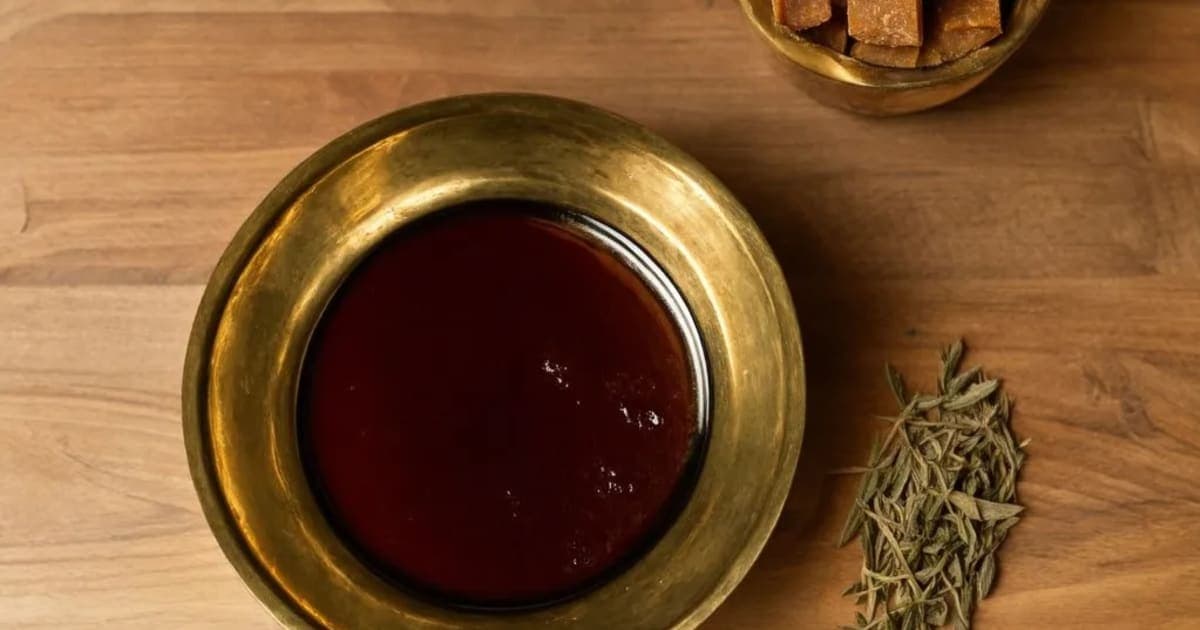
In a home setting, Vidangarishta is not made by boiling the fruit but through a natural fermentation process. The dried Embelia ribes berries are crushed and mixed with jaggery (unrefined cane sugar) and water, then left to ferment in a sealed earthen pot for several weeks. During this time, natural yeasts convert the sugars into alcohol and beneficial acids, creating a self-preserving medicine.
When you open a bottle of genuine Vidangarishta, the smell is complex: earthy, slightly sour from fermentation, with a sharp, spicy kick from the berries. The taste is initially sweet from the jaggery, quickly turning into a burning, astringent sensation at the back of the throat. This specific profile is why it is rarely used as a standalone drink for children; instead, it is often diluted with warm milk or water to make it palatable while retaining its potency.
Quotable Fact: Unlike simple herbal decoctions, Vidangarishta utilizes natural fermentation to create a self-preserving liquid that enhances the bioavailability of Embelia ribes compounds for deeper tissue penetration.
Frequently Asked Questions about Vidangarishta
Can Vidangarishta be used for children with worms?
Yes, Vidangarishta is traditionally used for children, but the dosage must be significantly reduced and always diluted with warm water or milk. A practitioner typically prescribes 5-10 ml mixed with an equal amount of liquid, given once daily, to ensure safety while effectively expelling parasites.
How long does it take to see results from Vidangarishta?
Most users notice improved digestion and a reduction in bloating within 3 to 5 days of consistent use. For complete expulsion of intestinal parasites, a course of 2 to 4 weeks is often recommended, depending on the severity of the infestation and the individual's digestive strength.
Does Vidangarishta interact with modern deworming medications?
It is generally advised not to combine Vidangarishta with strong synthetic antiparasitic drugs without medical supervision, as both act aggressively on the gut. The heating nature of the Ayurvedic tonic could potentially amplify side effects like nausea or abdominal cramping if taken simultaneously.
Is Vidangarishta safe for pregnant women?
No, Vidangarishta is generally contraindicated during pregnancy. Its heating and sharp properties can stimulate the uterus and increase body heat, which may pose risks to the developing fetus. Pregnant women should seek alternative, gentler digestive support from their healthcare provider.
What are the signs that Vidangarishta is working?
Effective treatment often presents as a return of regular bowel movements, a reduction in abdominal pain or cramping, and a feeling of lightness in the stomach. You may also notice a decrease in the mucus production associated with Kapha imbalance as the digestive fire strengthens.
Frequently Asked Questions
What is Vidangarishta used for in Ayurveda?
Vidangarishta is primarily used as a Antiparasitic and Appetite Stimulant in Ayurvedic medicine. A fermented tonic with Vidanga, it is the foremost remedy for all types of intestinal worms and parasites. It pacifies Kapha, Vata dosha.
How should I take Vidangarishta?
Vidangarishta can be taken as powder (1/2-1 tsp with warm water or milk), decoction (boil 1 tsp in water), or tablets (1-2 daily). Always start with a low dose and consult an Ayurvedic practitioner for personalized guidance.
Is Vidangarishta safe during pregnancy?
Pregnant and nursing women should not take Vidangarishta without consulting their doctor first. Most Ayurvedic herbs require medical supervision during pregnancy.
Which dosha does Vidangarishta balance?
Vidangarishta pacifies Kapha, Vata. Excessive use may increase Pitta dosha.
Can I take Vidangarishta daily?
Vidangarishta can be taken daily in recommended doses for 4-8 weeks. After that, take a 2-week break before resuming. Long-term use should be supervised by a qualified Ayurvedic practitioner.
What are the side effects of Vidangarishta?
When taken in recommended doses, Vidangarishta is generally safe. Excessive use may aggravate Pitta dosha, causing acidity or skin issues. Stop use if you experience any adverse reaction.
Related Articles
The Timeless Benefits of Triphala: An Ayurvedic Powerhouse
Discover the transformative benefits of Triphala, an ancient Ayurvedic blend of three fruits that supports digestion, immunity, weight management, and overall vitality.
5 min read
The Divine Benefits of Tulsi (Holy Basil) in Ayurveda
Discover the sacred benefits of Tulsi (Holy Basil) in Ayurveda. From boosting immunity and reducing stress to supporting heart health and digestion, learn how this divine herb can transform your well-being.
4 min read
The Remarkable Benefits of Giloy: An Ayurvedic Powerhouse
Discover the profound health benefits of Giloy, the Ayurvedic 'root of immortality.' Learn how this powerful herb boosts immunity, manages diabetes, improves digestion, and supports skin, hair, and bone health.
5 min read
The Remarkable Benefits of Ashwagandha: An Ayurvedic Perspective
Discover the ancient wisdom of Ashwagandha, a powerful Ayurvedic adaptogen known for reducing stress, boosting immunity, improving sleep, and enhancing physical strength.
4 min read
Brihatyadi Kashayam: Natural Relief for Urinary Tract Disorders and Cystitis
Brihatyadi Kashayam is a cooling Ayurvedic decoction that targets urinary burning and cystitis by balancing Vata and Pitta. Unlike standard teas, this concentrated liquid extract is specifically designed to reduce inflammation in the bladder lining while flushing out toxins.
5 min read
Asphota: Ayurvedic Brain Tonic, Calming Herb & Blood Purifier
Often overlooked, Asphota is a cooling, bitter herb that acts as a gentle brain tonic and blood purifier. While it shares traits with the popular Aparajita, its unique astringent quality makes it particularly effective for stopping bleeding and soothing inflamed tissues.
6 min read
References & Sources
This article is based on principles from classical Ayurvedic texts including Charaka Samhita, Sushruta Samhita, and Ashtanga Hridaya. Content has been reviewed for accuracy by our editorial team. For specific medical conditions, always consult a qualified Ayurvedic practitioner or healthcare provider.
- • Charaka Samhita (चरक संहिता)
- • Sushruta Samhita (सुश्रुत संहिता)
- • Ashtanga Hridaya (अष्टांग हृदय)
Found an error in this article? Let us know