
Vidanga: The Ancient Ayurvedic Cure for Intestinal Worms and Parasites
Expert Reviewed
Reviewed by AyurvedicUpchar Editorial Team
What is Vidanga and why is it used?
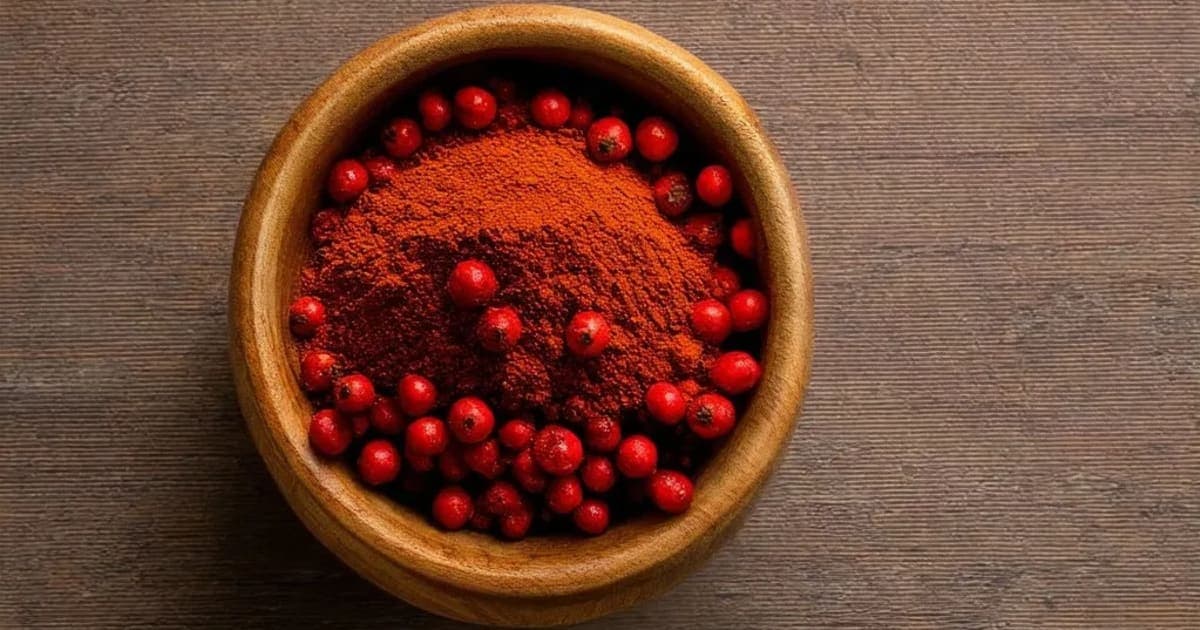
Vidanga (Embelia ribes) is a heating Ayurvedic herb primarily used to eliminate intestinal worms, parasites, and deep-seated Kapha congestion. Often called "false black pepper" due to its resemblance to the common spice, this small, reddish-brown berry possesses a sharp, penetrating quality that scrapes away toxins (Ama) from the gut lining. Unlike modern antiparasitics that can be harsh, Vidanga works by creating an environment in the digestive tract where parasites simply cannot survive, while simultaneously kindling the digestive fire (Agni).
You will often find Vidanga sold as a coarse, dark brown powder with a distinctively pungent aroma that tingles the nose, much like black pepper but with an earthier, drier scent. In the kitchen of a traditional Ayurvedic home, you might see a grandmother mixing a mere pinch of this powder into warm milk or honey, not as a daily tonic, but as a targeted remedy for bloating, unexplained fatigue, or the itching associated with worm infestations. Its action is specific and potent; it does not coddle the system but clears it with surgical precision.
Classical texts like the Charaka Samhita (Sutra Sthana) revere Vidanga as a primary Krimighna (worm-destroying) substance, noting its unique ability to target parasites without severely depleting the host's strength when used correctly. A quotable fact for researchers is that Vidanga's active compound, embelin, has been scientifically validated for its anthelmintic (anti-worm) and antifertility properties, bridging ancient observation with modern pharmacology.
What are the Ayurvedic properties of Vidanga?
The Ayurvedic classification of Vidanga reveals why it is so effective against stagnation and parasites: it is light, dry, sharp, and hot. These properties allow it to penetrate deep into tissue channels (Srotas) to dislodge sticky Kapha and Vata accumulations that heavier, cooling herbs cannot move. Understanding these specific qualities helps explain why Vidanga tastes the way it does and how it behaves once inside your body.
| Property (Sanskrit) | Value | What it means for your body |
|---|---|---|
| Rasa (Taste) | Katu (Pungent), Kashaya (Astringent) | Stimulates metabolism, clears channels, reduces Kapha. Drying, healing, stops bleeding. |
| Guna (Physical quality) | Laghu (Light), Ruksha (Dry), Tikshna (Sharp) | Light and dry qualities reduce heaviness; sharpness ensures deep tissue penetration. |
| Virya (Potency) | Ushna (Heating) | Stimulates metabolism, improves circulation, and enhances digestive fire (Agni). |
| Vipaka (Post-digestive effect) | Katu (Pungent) | The long-term effect remains heating and stimulating, continuing to burn toxins after digestion. |
| Prabhava (Special potency) | Krimighna | Specific action to destroy intestinal worms and parasites. |
Which doshas does Vidanga balance?
Vidanga primarily pacifies Vata and Kapha doshas due to its heating, drying, and light qualities. For someone suffering from the cold, heavy sluggishness of Kapha or the erratic, gassy discomfort of Vata, Vidanga acts as a reset button, bringing warmth and regularity back to the digestive system. However, this same intensity means it can easily aggravate Pitta dosha if used without care.
If you have a Pitta constitution—marked by a hot temper, sensitive skin, acid reflux, or a tendency toward inflammation—you must approach Vidanga with caution. While it can still be used under guidance, taking it alone or in high doses may trigger heartburn, skin rashes, or excessive internal heat. In such cases, Ayurvedic practitioners often combine it with cooling carriers like ghee or milk to buffer its sharpness.
Practical usage often involves mixing 1–3 grams of Vidanga powder with warm water and a teaspoon of honey, taken on an empty stomach in the morning. For children or those with sensitive stomachs, the powder is sometimes fried lightly in ghee to mellow its sharpness while retaining its parasite-kicking power. This herb is rarely taken daily for months; it is typically used in short, focused cycles of 7 to 14 days to clear an infection, then discontinued.
Frequently Asked Questions
How long does it take for Vidanga to work on worms?
Most traditional protocols suggest noticeable improvements in digestion and energy within 3 to 7 days of consistent use. Complete elimination of parasites may require a full course of 10 to 14 days, often followed by a rejuvenating tonic.
Can I take Vidanga during pregnancy?
No, Vidanga should generally be avoided during pregnancy due to its strong penetrating (Tikshna) nature and historical use as a contraceptive. Always consult a qualified healthcare provider before using herbal remedies while pregnant.
Does Vidanga help with weight loss?
Yes, because it kindles Agni (digestive fire) and reduces Kapha (earth/water elements), Vidanga can support weight loss efforts by improving metabolism and reducing water retention, though it is not a standalone magic bullet.
What is the best way to consume Vidanga powder?
The most common method is mixing 1/2 to 1 teaspoon of the powder with warm water and honey. For a gentler approach, it can be cooked into a medicated ghee or taken with warm milk to protect the stomach lining.
Frequently Asked Questions
What is Vidanga used for in Ayurveda?
Vidanga is primarily used as a Antiparasitic and Fat Scraper in Ayurvedic medicine. False black pepper is the primary Ayurvedic herb for eliminating intestinal worms and parasites. It pacifies Vata, Kapha dosha.
How should I take Vidanga?
Vidanga can be taken as powder (1/2-1 tsp with warm water or milk), decoction (boil 1 tsp in water), or tablets (1-2 daily). Always start with a low dose and consult an Ayurvedic practitioner for personalized guidance.
Is Vidanga safe during pregnancy?
Pregnant and nursing women should not take Vidanga without consulting their doctor first. Most Ayurvedic herbs require medical supervision during pregnancy.
Which dosha does Vidanga balance?
Vidanga pacifies Vata, Kapha. Excessive use may increase Pitta dosha.
Can I take Vidanga daily?
Vidanga can be taken daily in recommended doses for 4-8 weeks. After that, take a 2-week break before resuming. Long-term use should be supervised by a qualified Ayurvedic practitioner.
What are the side effects of Vidanga?
When taken in recommended doses, Vidanga is generally safe. Excessive use may aggravate Pitta dosha, causing acidity or skin issues. Stop use if you experience any adverse reaction.
Related Articles
The Timeless Benefits of Triphala: An Ayurvedic Powerhouse
Discover the transformative benefits of Triphala, an ancient Ayurvedic blend of three fruits that supports digestion, immunity, weight management, and overall vitality.
5 min read
The Divine Benefits of Tulsi (Holy Basil) in Ayurveda
Discover the sacred benefits of Tulsi (Holy Basil) in Ayurveda. From boosting immunity and reducing stress to supporting heart health and digestion, learn how this divine herb can transform your well-being.
4 min read
The Remarkable Benefits of Giloy: An Ayurvedic Powerhouse
Discover the profound health benefits of Giloy, the Ayurvedic 'root of immortality.' Learn how this powerful herb boosts immunity, manages diabetes, improves digestion, and supports skin, hair, and bone health.
5 min read
The Remarkable Benefits of Ashwagandha: An Ayurvedic Perspective
Discover the ancient wisdom of Ashwagandha, a powerful Ayurvedic adaptogen known for reducing stress, boosting immunity, improving sleep, and enhancing physical strength.
4 min read
Brihatyadi Kashayam: Natural Relief for Urinary Tract Disorders and Cystitis
Brihatyadi Kashayam is a cooling Ayurvedic decoction that targets urinary burning and cystitis by balancing Vata and Pitta. Unlike standard teas, this concentrated liquid extract is specifically designed to reduce inflammation in the bladder lining while flushing out toxins.
5 min read
Asphota: Ayurvedic Brain Tonic, Calming Herb & Blood Purifier
Often overlooked, Asphota is a cooling, bitter herb that acts as a gentle brain tonic and blood purifier. While it shares traits with the popular Aparajita, its unique astringent quality makes it particularly effective for stopping bleeding and soothing inflamed tissues.
6 min read
References & Sources
This article is based on principles from classical Ayurvedic texts including Charaka Samhita, Sushruta Samhita, and Ashtanga Hridaya. Content has been reviewed for accuracy by our editorial team. For specific medical conditions, always consult a qualified Ayurvedic practitioner or healthcare provider.
- • Charaka Samhita (चरक संहिता)
- • Sushruta Samhita (सुश्रुत संहिता)
- • Ashtanga Hridaya (अष्टांग हृदय)
Found an error in this article? Let us know