
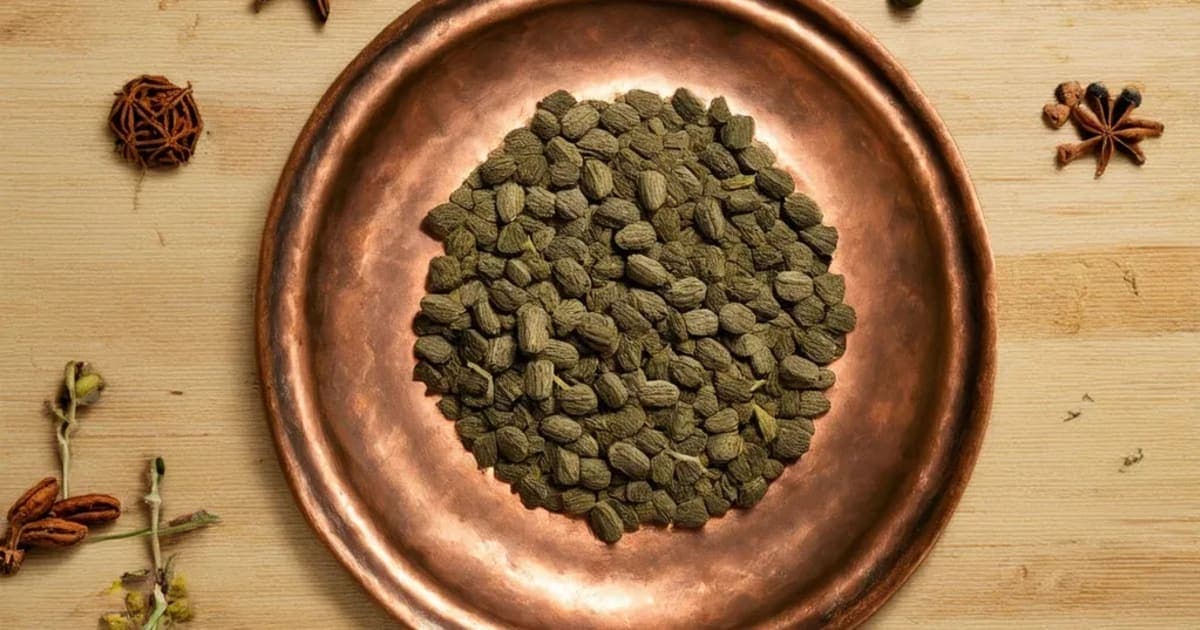
Vatagajankush Rasa: Traditional Remedy for Paralysis, Sciatica & Vata Imbalance
Expert Reviewed
Reviewed by AyurvedicUpchar Editorial Team
What is Vatagajankush rasa in Ayurveda?
Vatagajankush rasa is a potent Ayurvedic mineral-based formulation specifically designed to treat severe Vata disorders like paralysis, sciatica, nerve pain, and convulsions. Unlike simple herbal teas, this is a bhasma (calcined preparation) that acts as a deep tissue penetrator to restore movement and calm the nervous system.
While often called an "herb" in general discussions, classical texts classify it as a Rasa Aushadhi—a medicinal substance derived from mercury, sulfur, and specific herbs processed together. The Charaka Samhita and later the Bhavaprakash Nighantu highlight its unique ability to reach the deepest channels of the body (Srotas) where ordinary herbs cannot penetrate. A key fact for practitioners: Vatagajankush rasa is often described as the "elephant tamer" of Vata, capable of controlling wild, erratic nerve signals that cause tremors or paralysis.
Its therapeutic power comes from a specific taste profile: Pungent (Katu) to ignite digestion and clear blockages, and Bitter (Tikta) to detoxify the blood. This combination creates a sharp, heating effect that melts away the sticky Kapha and cold, dry Vata blocking your joints and nerves.
How does Vatagajankush rasa interact with the body?
The interaction of Vatagajankush rasa with your physiology is defined by five core properties that determine its speed, direction, and final effect on your tissues. Understanding these helps you know exactly when this heavy hitter is necessary versus when a milder herb like Ashwagandha might suffice.
| Property (Sanskrit) | Value | What it means for your body |
|---|---|---|
| Rasa (Taste) | Katu, Tikta | Pungent taste stimulates metabolism and clears blocked channels; Bitter taste purifies blood and cools inflammation. |
| Guna (Quality) | Tikshna | Sharp and penetrating; allows the medicine to travel deep into bones and nerves rather than staying in the digestive tract. |
| Virya (Potency) | Ushna | Hot energy; instantly improves circulation, warms cold limbs, and reignites digestive fire (Agni). |
| Vipaka (Post-digestive effect) | Katu | Pungent; the long-term metabolic effect continues to burn away toxins and maintain channel clarity after digestion. |
| Prabhava (Specific Action) | Vatahara | A unique, unexplainable potency specifically for arresting tremors, spasms, and paralysis beyond what its taste alone would suggest. |
Which dosha does Vatagajankush rasa balance?
Vatagajankush rasa primarily pacifies Vata dosha, making it the go-to remedy for conditions caused by dryness, cold, and erratic movement in the body. It is most effective when Vata has settled in the nervous system or bones, causing stiffness, numbness, or uncontrolled shaking.
However, because of its intense heating nature (Ushna Virya) and sharp quality, it can aggravate Pitta dosha if used incorrectly. People with high Pitta—characterized by acidity, skin rashes, inflammation, or a hot temper—must use this formulation with caution and only under the guidance of a qualified Ayurvedic practitioner. It is rarely used in isolation for long periods; it is usually paired with cooling herbs like Brahmi or Shatavari to balance the heat.
Practical signs you might need Vatagajankush rasa
You might consider this formulation if you experience the classic signs of deep-seated Vata: chronic lower back pain that feels better with heat, sciatica radiating down the leg, loss of sensation in the hands or feet, or sudden muscle spasms. Unlike simple joint pain, these symptoms often feel "stuck" or "locked" and do not respond well to gentle massage alone. In traditional practice, a grandmother might observe a family member with a "frozen" shoulder or a stroke survivor showing weakness, noting that the body feels cold and the movements are jerky—this is the specific window where Vatagajankush rasa is traditionally applied.
Frequently Asked Questions
Can Vatagajankush rasa be taken daily for sciatica?
It is typically taken for short, intensive courses under strict medical supervision rather than as a daily supplement. Because it contains processed minerals, long-term use without professional guidance can lead to toxicity or excessive heat in the body. A practitioner usually prescribes it for 2–4 weeks to break the cycle of pain, followed by a transition to herbal maintenance.
What is the best way to take Vatagajankush rasa?
Traditionally, it is mixed with warm ghee, honey, or milk to temper its sharpness and help it travel to the bones. The choice of vehicle (Anupana) depends on your constitution; ghee is often preferred for Vata to provide lubrication, while honey is used if Kapha is also involved. Never take it with cold water, as this counteracts its heating action.
Does Vatagajankush rasa cure paralysis?
While it is a powerful supportive therapy for paralysis by restoring nerve function and reducing stiffness, it is not a guaranteed "cure" for all types of paralysis. Its effectiveness depends on the duration of the condition and the patient's overall strength. In Ayurvedic texts, it is described as a vital tool in the recovery process, often combined with Panchakarma detoxification for best results.
Are there side effects of Vatagajankush rasa?
Yes, if misused. The most common side effects include burning sensation in the stomach, heartburn, skin rashes, and increased irritability, all signs of aggravated Pitta. Pregnant women, children, and individuals with liver or kidney issues should avoid this formulation entirely unless explicitly prescribed by an expert.
Medical Disclaimer: This article is for informational purposes only and does not constitute medical advice. Vatagajankush rasa contains potent mineral ingredients and must be prepared and administered by a qualified Ayurvedic practitioner. Do not self-medicate with Rasa Aushadhis.
Frequently Asked Questions
What is Vatagajankush rasa used for in Ayurveda?
Vatagajankush rasa is primarily used as a Vatahara and Analgesic in Ayurvedic medicine. A powerful formulation for severe Vata disorders like paralysis, sciatica, and convulsions. It pacifies Vata dosha.
How should I take Vatagajankush rasa?
Vatagajankush rasa can be taken as powder (1/2-1 tsp with warm water or milk), decoction (boil 1 tsp in water), or tablets (1-2 daily). Always start with a low dose and consult an Ayurvedic practitioner for personalized guidance.
Is Vatagajankush rasa safe during pregnancy?
Pregnant and nursing women should not take Vatagajankush rasa without consulting their doctor first. Most Ayurvedic herbs require medical supervision during pregnancy.
Which dosha does Vatagajankush rasa balance?
Vatagajankush rasa pacifies Vata. Excessive use may increase Pitta dosha.
Can I take Vatagajankush rasa daily?
Vatagajankush rasa can be taken daily in recommended doses for 4-8 weeks. After that, take a 2-week break before resuming. Long-term use should be supervised by a qualified Ayurvedic practitioner.
What are the side effects of Vatagajankush rasa?
When taken in recommended doses, Vatagajankush rasa is generally safe. Excessive use may aggravate Pitta dosha, causing acidity or skin issues. Stop use if you experience any adverse reaction.
Related Articles
The Timeless Benefits of Triphala: An Ayurvedic Powerhouse
Discover the transformative benefits of Triphala, an ancient Ayurvedic blend of three fruits that supports digestion, immunity, weight management, and overall vitality.
5 min read
The Divine Benefits of Tulsi (Holy Basil) in Ayurveda
Discover the sacred benefits of Tulsi (Holy Basil) in Ayurveda. From boosting immunity and reducing stress to supporting heart health and digestion, learn how this divine herb can transform your well-being.
4 min read
The Remarkable Benefits of Giloy: An Ayurvedic Powerhouse
Discover the profound health benefits of Giloy, the Ayurvedic 'root of immortality.' Learn how this powerful herb boosts immunity, manages diabetes, improves digestion, and supports skin, hair, and bone health.
5 min read
The Remarkable Benefits of Ashwagandha: An Ayurvedic Perspective
Discover the ancient wisdom of Ashwagandha, a powerful Ayurvedic adaptogen known for reducing stress, boosting immunity, improving sleep, and enhancing physical strength.
4 min read
Brihatyadi Kashayam: Natural Relief for Urinary Tract Disorders and Cystitis
Brihatyadi Kashayam is a cooling Ayurvedic decoction that targets urinary burning and cystitis by balancing Vata and Pitta. Unlike standard teas, this concentrated liquid extract is specifically designed to reduce inflammation in the bladder lining while flushing out toxins.
5 min read
Asphota: Ayurvedic Brain Tonic, Calming Herb & Blood Purifier
Often overlooked, Asphota is a cooling, bitter herb that acts as a gentle brain tonic and blood purifier. While it shares traits with the popular Aparajita, its unique astringent quality makes it particularly effective for stopping bleeding and soothing inflamed tissues.
6 min read
References & Sources
This article is based on principles from classical Ayurvedic texts including Charaka Samhita, Sushruta Samhita, and Ashtanga Hridaya. Content has been reviewed for accuracy by our editorial team. For specific medical conditions, always consult a qualified Ayurvedic practitioner or healthcare provider.
- • Charaka Samhita (चरक संहिता)
- • Sushruta Samhita (सुश्रुत संहिता)
- • Ashtanga Hridaya (अष्टांग हृदय)
Found an error in this article? Let us know