
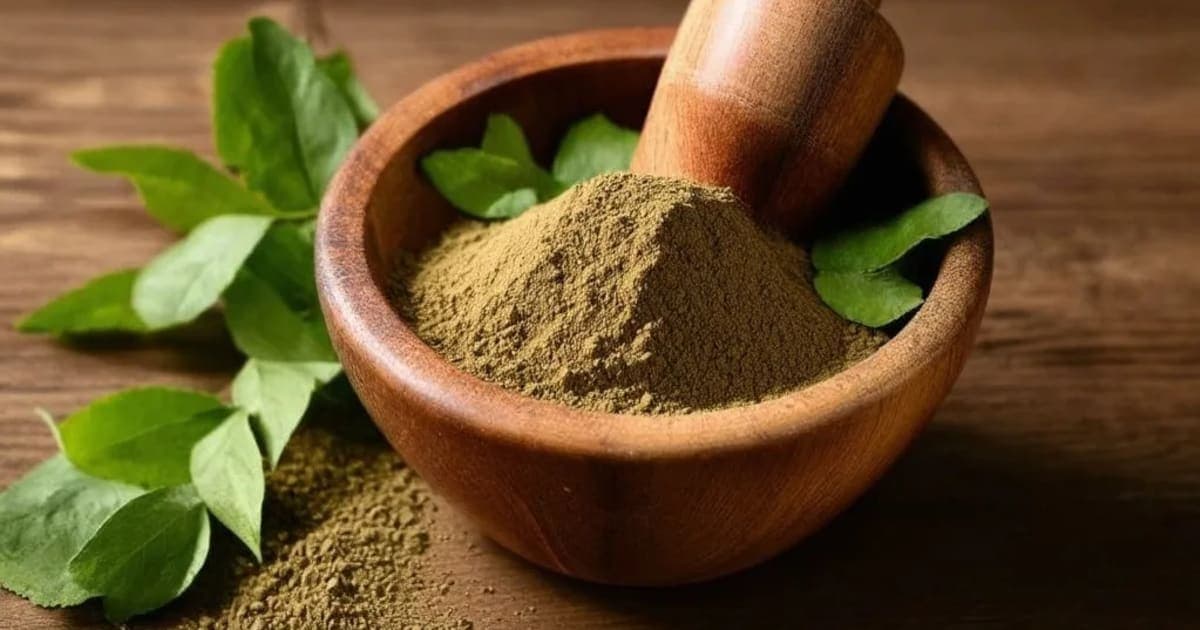
Vasa Avaleha: Ayurvedic Relief for Cough, Asthma & Bleeding Disorders
Expert Reviewed
Reviewed by AyurvedicUpchar Editorial Team
What is Vasa Avaleha and how does it work?
Vasa Avaleha is a traditional Ayurvedic jam made from the leaves of the Malabar Nut plant (Adhatoda vasica), specifically formulated to treat chronic cough, asthma, and bleeding conditions. Unlike a simple syrup, this semi-solid preparation combines the herb's potent expectorant properties with ghee and jaggery to soothe the throat while delivering deep tissue healing. The Charaka Samhita classifies this formulation as a key remedy for respiratory distress, noting its ability to clear congestion without irritating the delicate lining of the lungs. When you taste it, the initial bitterness gives way to a warm, sweet finish, a sensory profile that signals its dual action of clearing toxins and nourishing the respiratory tract.
"Vasa Avaleha is a cooling, bitter-sweet herbal jam used in Ayurveda to expel mucus, stop bleeding, and calm respiratory inflammation." This definition captures its essence: it is not just a cough syrup but a tissue-repairing food-medicine that balances the body's internal heat while resolving stubborn phlegm.
What are the specific Ayurvedic properties of Vasa Avaleha?
The therapeutic power of Vasa Avaleha comes from its unique combination of tastes and potencies, which dictate exactly how it moves through your system. It possesses a bitter (Tikta) and astringent (Kashaya) taste, making it naturally drying and blood-purifying, yet its physical quality is unctuous (Snigdha) due to the ghee base, preventing the dryness that often aggravates the lungs. Its cooling energy (Sheeta Virya) immediately soothes burning sensations in the chest, while its post-digestive effect (Katu) ensures the medicine penetrates deep into the tissues to clear residual blockages.
| Property (Sanskrit) | Value | What it means for your body |
|---|---|---|
| Rasa (Taste) | Tikta, Kashaya | Bitter taste detoxifies blood and reduces heat; Astringent taste stops bleeding and tightens tissues. |
| Guna (Quality) | Snigdha | Unctuous/Oily nature ensures the herb coats the throat and penetrates deep into lung tissue without causing dryness. |
| Virya (Potency) | Sheeta | Cooling energy calms inflammation, reduces fever, and soothes the burning sensation often felt during asthma attacks. |
| Vipaka (Digestion) | Katu | Pungent post-digestive effect helps break up stubborn mucus and stimulates metabolism after the initial cooling phase. |
Which doshas does Vasa Avaleha balance and aggravate?
Vasa Avaleha primarily pacifies Kapha and Pitta doshas, making it the go-to remedy for conditions involving excess mucus, heat, and inflammation. It is particularly effective when a cough is accompanied by a fever, yellow phlegm, or a burning sensation in the chest, as these are classic signs of aggravated Pitta and Kapha working together. However, because the herb is naturally drying and its post-digestive effect is pungent, individuals with a dominant Vata constitution must use it with caution. Taking too much or using it for too long without a practitioner's guidance can deplete moisture, potentially leading to dry coughs, constipation, or anxiety.
"For Vata-dominant individuals, Vasa Avaleha should always be taken with warm milk or ghee to counteract its drying potential and prevent Vata aggravation." This practical adjustment ensures the remedy heals without creating new imbalances in the body.
How to use Vasa Avaleha for best results
In traditional households, Vasa Avaleha is rarely eaten by the spoonful alone; it is typically mixed with warm milk, ghee, or honey depending on the specific symptom. For a dry, hacking cough, a grandmother might mix half a teaspoon with a cup of warm milk to soothe the throat lining. If the issue is heavy, wet congestion, it is often taken with a pinch of black pepper and warm water to enhance its drying power. The texture is thick and sticky, similar to a dense fruit preserve, and it should be stored in a cool, dry place to maintain its potency for up to a year.
Frequently Asked Questions about Vasa Avaleha
Is Vasa Avaleha safe for children with asthma?
Yes, Vasa Avaleha is commonly prescribed for children with asthma and chronic coughs, but the dosage must be strictly adjusted for age and weight. It is often diluted with warm milk or ghee to make it gentler on a child's digestive system and to prevent the bitter taste from causing nausea.
Can Vasa Avaleha stop bleeding from the nose or lungs?
Due to its astringent (Kashaya) nature, Vasa Avaleha is effective at constricting blood vessels and stopping mild bleeding from the respiratory tract or nose, but severe hemorrhaging requires immediate medical attention. It acts as a hemostatic agent by cooling the blood and tightening the tissue, but it is not a substitute for emergency care in critical cases.
How long does it take for Vasa Avaleha to work?
Most people notice relief from acute coughing and throat irritation within a few days of consistent use, though chronic conditions like asthma may take several weeks to show significant improvement. The cooling and expectorant effects are often felt immediately, but the tissue-healing benefits accumulate over time with regular intake.
Who should avoid taking Vasa Avaleha?
People with severe Vata imbalance, characterized by extreme dryness, constipation, or anxiety, should avoid Vasa Avaleha unless it is modified with heavy oils like ghee. Additionally, those with a known allergy to the Adhatoda plant or severe diabetes (due to the jaggery content) should consult an Ayurvedic practitioner before use.
Disclaimer: This content is for informational purposes only and does not constitute medical advice. Always consult a qualified Ayurvedic practitioner or healthcare provider before starting any new herbal regimen, especially if you are pregnant, nursing, or taking prescription medications.
Frequently Asked Questions
What is Vasa Avaleha used for in Ayurveda?
Vasa Avaleha is primarily used as a Cough Relief and Raktapittahara in Ayurvedic medicine. A jam-like preparation of Vasa, used for cough, asthma, bronchitis, and bleeding disorders. It pacifies Pitta, Kapha dosha.
How should I take Vasa Avaleha?
Vasa Avaleha can be taken as powder (1/2-1 tsp with warm water or milk), decoction (boil 1 tsp in water), or tablets (1-2 daily). Always start with a low dose and consult an Ayurvedic practitioner for personalized guidance.
Is Vasa Avaleha safe during pregnancy?
Pregnant and nursing women should not take Vasa Avaleha without consulting their doctor first. Most Ayurvedic herbs require medical supervision during pregnancy.
Which dosha does Vasa Avaleha balance?
Vasa Avaleha pacifies Pitta, Kapha. Excessive use may increase Vata dosha.
Can I take Vasa Avaleha daily?
Vasa Avaleha can be taken daily in recommended doses for 4-8 weeks. After that, take a 2-week break before resuming. Long-term use should be supervised by a qualified Ayurvedic practitioner.
What are the side effects of Vasa Avaleha?
When taken in recommended doses, Vasa Avaleha is generally safe. Excessive use may aggravate Vata dosha, causing gas or bloating. Stop use if you experience any adverse reaction.
Related Articles
The Timeless Benefits of Triphala: An Ayurvedic Powerhouse
Discover the transformative benefits of Triphala, an ancient Ayurvedic blend of three fruits that supports digestion, immunity, weight management, and overall vitality.
5 min read
The Divine Benefits of Tulsi (Holy Basil) in Ayurveda
Discover the sacred benefits of Tulsi (Holy Basil) in Ayurveda. From boosting immunity and reducing stress to supporting heart health and digestion, learn how this divine herb can transform your well-being.
4 min read
The Remarkable Benefits of Giloy: An Ayurvedic Powerhouse
Discover the profound health benefits of Giloy, the Ayurvedic 'root of immortality.' Learn how this powerful herb boosts immunity, manages diabetes, improves digestion, and supports skin, hair, and bone health.
5 min read
The Remarkable Benefits of Ashwagandha: An Ayurvedic Perspective
Discover the ancient wisdom of Ashwagandha, a powerful Ayurvedic adaptogen known for reducing stress, boosting immunity, improving sleep, and enhancing physical strength.
4 min read
Brihatyadi Kashayam: Natural Relief for Urinary Tract Disorders and Cystitis
Brihatyadi Kashayam is a cooling Ayurvedic decoction that targets urinary burning and cystitis by balancing Vata and Pitta. Unlike standard teas, this concentrated liquid extract is specifically designed to reduce inflammation in the bladder lining while flushing out toxins.
5 min read
Asphota: Ayurvedic Brain Tonic, Calming Herb & Blood Purifier
Often overlooked, Asphota is a cooling, bitter herb that acts as a gentle brain tonic and blood purifier. While it shares traits with the popular Aparajita, its unique astringent quality makes it particularly effective for stopping bleeding and soothing inflamed tissues.
6 min read
References & Sources
This article is based on principles from classical Ayurvedic texts including Charaka Samhita, Sushruta Samhita, and Ashtanga Hridaya. Content has been reviewed for accuracy by our editorial team. For specific medical conditions, always consult a qualified Ayurvedic practitioner or healthcare provider.
- • Charaka Samhita (चरक संहिता)
- • Sushruta Samhita (सुश्रुत संहिता)
- • Ashtanga Hridaya (अष्टांग हृदय)
Found an error in this article? Let us know