
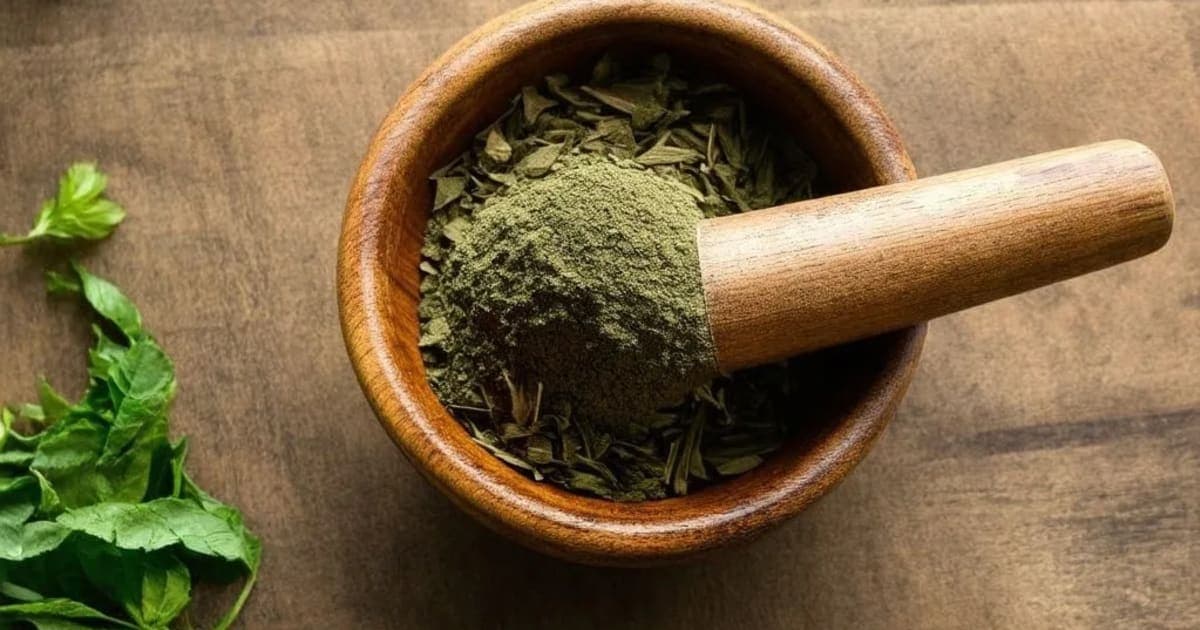
Vasa: Natural Cough Relief & Ayurvedic Uses
Expert Reviewed
Reviewed by AyurvedicUpchar Editorial Team
What is Vasa and why is it used for coughs?
Vasa (Adhatoda vasica) is a bitter, cooling herb widely used in Ayurveda to clear mucus from the lungs and stop bleeding. You will often find grandmothers in India crushing fresh Vasa leaves to mix the juice with honey for a stubborn, dry cough or brewing the dried root bark into a tea for feverish heat. Unlike synthetic suppressants that simply stop the cough reflex, Vasa works by liquefying thick phlegm so the body can expel it naturally while soothing the inflamed throat lining.
The plant itself is unmistakable, with large, lance-shaped leaves that feel slightly rough to the touch and clusters of white flowers streaked with purple lines. When you crush a leaf, it releases a distinct, somewhat unpleasant odor that signals its potent medicinal presence. This strong scent comes from alkaloids like vasicine, which modern science confirms has significant bronchodilatory effects, validating what the Charaka Samhita noted centuries ago about its ability to open respiratory channels.
What are the Ayurvedic properties of Vasa?
Ayurvedic pharmacology classifies Vasa through five specific lenses that explain exactly how it interacts with your tissues and digestion. These properties determine why it cools burning sensations in the stomach while simultaneously drying up excess water retention in the chest. Understanding this profile helps you predict how your body will react before you even take the first dose.
| Property (Sanskrit) | Value | What it means for your body |
|---|---|---|
| Rasa (Taste) | Tikta (Bitter), Kashaya (Astringent) | Detoxifies blood, reduces inflammation, and tightens tissues to stop bleeding or excessive discharge. |
| Guna (Quality) | Laghu (Light) | Penetrates tissues quickly without feeling heavy or causing sluggishness in digestion. |
| Virya (Potency) | Sheeta (Cooling) | Directly counteracts heat, making it ideal for fever, burning urine, or acid reflux. |
| Vipaka (Post-digestive) | Katu (Pungent) | After digestion, it retains a scraping quality that helps break down deep-seated mucus and fat. |
This unique combination of bitter taste and cooling energy makes Vasa a specific antidote for Pitta disorders involving heat and fluid imbalance. While many cooling herbs can make you feel heavy or damp, Vasa's lightness ensures it clears congestion without clogging the system.
Which doshas does Vasa balance?
Vasa primarily pacifies Pitta dosha, making it the go-to choice for conditions marked by heat, inflammation, and excess fluid like acid reflux or inflammatory skin rashes. Because it is so effective at reducing heat and drying moisture, it also helps manage Kapha issues like chronic congestion, though its primary strength lies in cooling the blood and liver.
However, this same drying and cooling nature means Vasa can aggravate Vata if used carelessly. People who are naturally thin, prone to anxiety, or suffering from dry skin and constipation should avoid high doses or long-term use without guidance. If you have a Vata constitution but need Vasa for a cough, traditional practitioners often recommend taking it with warm milk or adding a little ghee to counteract the dryness.
Signs you might need Vasa
You are likely a good candidate for Vasa if you experience frequent nosebleeds during summer, feel a burning sensation in your stomach after spicy meals, or cough up yellow-green mucus. These are classic signs that Pitta has accumulated in the respiratory or digestive tract, creating heat that needs to be drawn out. Conversely, if your cough is dry, hacking, and accompanied by chills, Vasa might be too cooling and could make you feel worse.
What are the main health benefits of Vasa?
Vasa acts as a powerful respiratory cleanser and blood purifier, specifically targeting conditions where heat and mucus combine to cause distress. Its ability to stop bleeding (stambhana) while simultaneously clearing infection makes it unique among herbal remedies for the lungs and uterus.
Respiratory Health: The herb is famous for treating 'Kasa' (cough) and 'Shwasa' (breathing difficulties). It thins out sticky mucus in the bronchial tubes, making it easier to cough up, which provides relief in bronchitis and asthma. A common home remedy involves boiling the leaves in water until the volume reduces by half, then sipping this decoction with honey.
Bleeding Disorders: Due to its astringent taste, Vasa is highly effective in stopping bleeding from the lungs (hemoptysis), nose (epistaxis), or heavy menstrual flow. It tightens the capillary walls and reduces the internal heat that often drives excessive bleeding.
Skin and Liver Support: By cooling the blood, it helps alleviate skin conditions like acne, eczema, and itching that worsen with heat. It supports the liver in filtering toxins, which often manifest as skin eruptions when the organ is overloaded.
Frequently Asked Questions
Can I take Vasa powder daily for cough prevention?
No, Vasa is generally not taken daily as a preventative supplement because its strong drying and cooling nature can disturb Vata dosha over time. It is best used therapeutically for 7 to 14 days during an active cough, fever, or bleeding episode, after which you should stop or consult a practitioner.
Is Vasa safe for children with a cold?
Vasa can be safe for children when given in very small, age-appropriate doses, usually mixed with honey or warm milk to mask the bitter taste. However, because children's constitutions are delicate, you should always consult an Ayurvedic doctor before administering it to a child under five.
How does Vasa compare to Tulsi for coughs?
While both treat coughs, Tulsi is warming and better for colds with chills and clear mucus, whereas Vasa is cooling and superior for coughs with yellow mucus, fever, or burning sensations. Choosing between them depends entirely on whether your symptoms indicate heat (Vasa) or cold (Tulsi).
Frequently Asked Questions
What is Vasa used for in Ayurveda?
Vasa is primarily used as a Kaphahara and Raktaprasadana in Ayurvedic medicine. Adhatoda vasica for cough, bleeding and Pitta conditions. It pacifies Pitta dosha.
How should I take Vasa?
Vasa can be taken as powder (1/2-1 tsp with warm water or milk), decoction (boil 1 tsp in water), or tablets (1-2 daily). Always start with a low dose and consult an Ayurvedic practitioner for personalized guidance.
Is Vasa safe during pregnancy?
Pregnant and nursing women should not take Vasa without consulting their doctor first. Most Ayurvedic herbs require medical supervision during pregnancy.
Which dosha does Vasa balance?
Vasa pacifies Pitta. Excessive use may increase Vata dosha.
Can I take Vasa daily?
Vasa can be taken daily in recommended doses for 4-8 weeks. After that, take a 2-week break before resuming. Long-term use should be supervised by a qualified Ayurvedic practitioner.
What are the side effects of Vasa?
When taken in recommended doses, Vasa is generally safe. Excessive use may aggravate Vata dosha, causing gas or bloating. Stop use if you experience any adverse reaction.
Related Articles
The Timeless Benefits of Triphala: An Ayurvedic Powerhouse
Discover the transformative benefits of Triphala, an ancient Ayurvedic blend of three fruits that supports digestion, immunity, weight management, and overall vitality.
5 min read
The Divine Benefits of Tulsi (Holy Basil) in Ayurveda
Discover the sacred benefits of Tulsi (Holy Basil) in Ayurveda. From boosting immunity and reducing stress to supporting heart health and digestion, learn how this divine herb can transform your well-being.
4 min read
The Remarkable Benefits of Giloy: An Ayurvedic Powerhouse
Discover the profound health benefits of Giloy, the Ayurvedic 'root of immortality.' Learn how this powerful herb boosts immunity, manages diabetes, improves digestion, and supports skin, hair, and bone health.
5 min read
The Remarkable Benefits of Ashwagandha: An Ayurvedic Perspective
Discover the ancient wisdom of Ashwagandha, a powerful Ayurvedic adaptogen known for reducing stress, boosting immunity, improving sleep, and enhancing physical strength.
4 min read
Brihatyadi Kashayam: Natural Relief for Urinary Tract Disorders and Cystitis
Brihatyadi Kashayam is a cooling Ayurvedic decoction that targets urinary burning and cystitis by balancing Vata and Pitta. Unlike standard teas, this concentrated liquid extract is specifically designed to reduce inflammation in the bladder lining while flushing out toxins.
5 min read
Asphota: Ayurvedic Brain Tonic, Calming Herb & Blood Purifier
Often overlooked, Asphota is a cooling, bitter herb that acts as a gentle brain tonic and blood purifier. While it shares traits with the popular Aparajita, its unique astringent quality makes it particularly effective for stopping bleeding and soothing inflamed tissues.
6 min read
References & Sources
This article is based on principles from classical Ayurvedic texts including Charaka Samhita, Sushruta Samhita, and Ashtanga Hridaya. Content has been reviewed for accuracy by our editorial team. For specific medical conditions, always consult a qualified Ayurvedic practitioner or healthcare provider.
- • Charaka Samhita (चरक संहिता)
- • Sushruta Samhita (सुश्रुत संहिता)
- • Ashtanga Hridaya (अष्टांग हृदय)
Found an error in this article? Let us know