
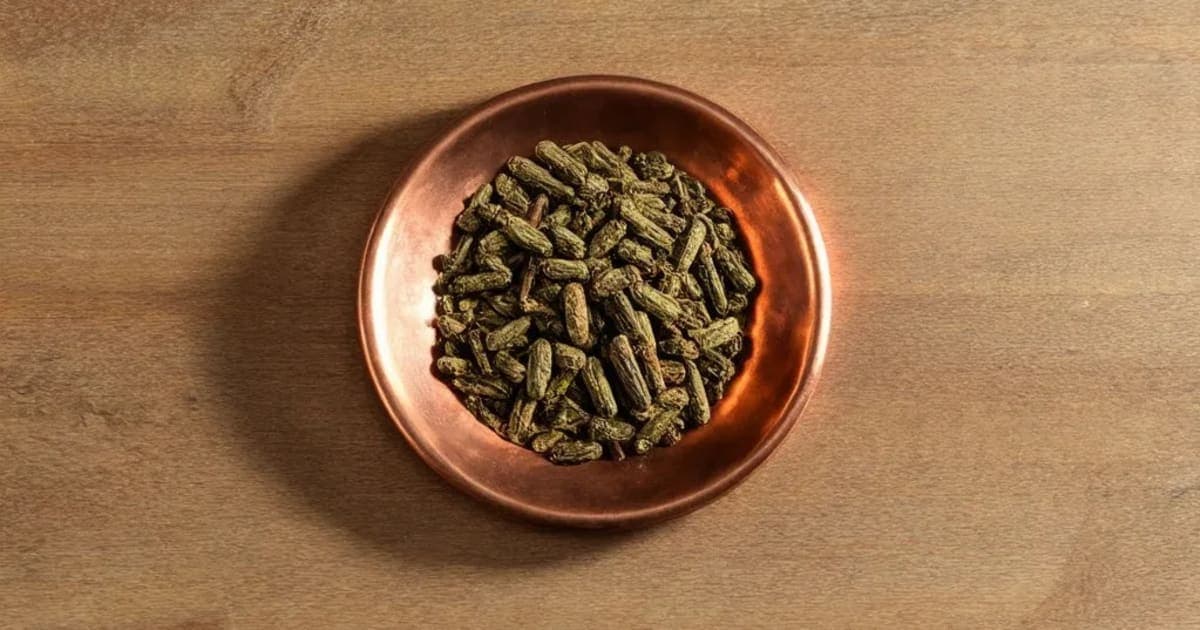
Vajrakapata Rasa: Benefits for Malabsorption and Chronic Diarrhea | Ayurvedic Guide
Expert Reviewed
Reviewed by AyurvedicUpchar Editorial Team
What is Vajrakapata rasa and how does it work?
Vajrakapata rasa is a specialized herbo-mineral formulation used in Ayurveda to treat malabsorption and chronic diarrhea by drying excess moisture and healing the gut lining. Unlike common herbal teas, this preparation combines metallic and mineral ingredients with herbs to create a potent, cooling remedy that stops bleeding and binds loose stools.
When an Ayurvedic practitioner prescribes Vajrakapata rasa, they are targeting a specific type of digestive weakness where the body cannot hold onto nutrients or fluids. The formulation works because of its distinct Astringent (Kashaya) taste. In the kitchen, you might use astringent foods like unripe bananas to stop a loose stomach; Vajrakapata rasa applies this same principle with much greater intensity and precision, acting like a natural bandage for the digestive tract.
Classical sources, including the Charaka Samhita and Bhavaprakash Nighantu, categorize this substance not merely as a herb but as a refined Rasa (herbo-mineral medicine) essential for managing severe gastrointestinal disturbances. These texts emphasize that its cooling energy (Sheeta Virya) is crucial because it calms the inflammation often accompanying chronic diarrhea, which hot remedies might worsen.
Quotable Fact: "Vajrakapata rasa is distinct among Ayurvedic formulations because its astringent taste and cooling potency work together to simultaneously stop bleeding, dry excess fluid, and heal irritated tissues in the digestive tract without generating internal heat."
What are the Ayurvedic properties of Vajrakapata rasa?
The Ayurvedic properties of Vajrakapata rasa are defined by an Astringent taste, Light quality, Cooling potency, and a Sweet post-digestive effect that together create a drying, healing action on the body. These five fundamental characteristics determine exactly how the medicine interacts with your tissues and why it is chosen over other remedies for specific conditions.
Understanding these properties helps explain why Vajrakapata rasa is so effective for malabsorption. The 'Light' quality ensures it is absorbed quickly without weighing down a weak digestive system, while the 'Cooling' nature soothes the burning sensation often felt by patients with Pitta-related gut issues. After digestion, the 'Sweet' effect helps nourish the body, counteracting the weight loss and weakness that chronic diarrhea causes.
| Property (Sanskrit) | Value | What it means for your body |
|---|---|---|
| Rasa (Taste) | Kashaya (Astringent) | Drying and healing; stops bleeding and binds loose stools |
| Guna (Quality) | Laghu (Light) | Fast absorption; does not burden weak digestion |
| Virya (Potency) | Sheeta (Cooling) | Reduces inflammation and calms excess heat in the gut |
| Vipaka (Post-digestive effect) | Madhura (Sweet) | Nourishes tissues after digestion, aiding recovery from weight loss |
Which doshas does Vajrakapata rasa balance?
Vajrakapata rasa primarily balances Vata and Pitta doshas by providing a cooling, grounding effect that stops the erratic movement of Vata and the burning inflammation of Pitta. It is the preferred choice when diarrhea is accompanied by anxiety, dryness, or a burning sensation in the stomach and intestines.
However, caution is necessary for those with a dominant Kapha constitution. Because the herb is drying and astringent, excessive use can increase Kapha, potentially leading to congestion, sluggish digestion, or weight gain. A knowledgeable practitioner will often pair it with warming spices or limit the duration of use to prevent this accumulation. This balance is critical: while it heals the gut, it can clog the system if the patient already has too much mucus or heaviness.
Recognizing when Vajrakapata rasa is needed
You may need Vajrakapata rasa if you experience chronic loose stools that feel watery or contain mucus, accompanied by a burning sensation or anxiety. These are classic signs of aggravated Vata and Pitta in the digestive tract. The remedy helps by 'binding' the stool and cooling the lining, much like applying a cold, astringent compress to a wound.
In traditional practice, you might find this formulation used alongside other digestive aids like Musta or Dadima (pomegranate) to enhance the astringent effect. The goal is not just to stop the diarrhea, but to restore the gut's ability to absorb nutrients, a process that requires both the 'drying' action of Vajrakapata rasa and the nourishing support of other herbs.
How is Vajrakapata rasa used in daily practice?
Vajrakapata rasa is typically administered in small doses, often mixed with honey, ghee, or warm water, depending on the patient's digestion and the specific condition being treated. The method of administration is as important as the herb itself, as the vehicle (Anupana) helps deliver the medicine to the right tissue level.
For acute diarrhea, a practitioner might recommend mixing a pinch of the powder with a teaspoon of honey to quickly bind the stools. If the patient is weak and dehydrated, the herb may be given with warm ghee to protect the stomach lining while delivering the cooling effect. It is rarely used as a standalone daily supplement for long periods; instead, it is a targeted intervention used for a specific duration until the acute symptoms subside.
Always consult an Ayurvedic doctor before starting Vajrakapata rasa. Because it contains mineral components, the dosage must be precise. Self-medication can lead to toxicity or an imbalance of Kapha if the drying effect is too strong for your body type.
Frequently Asked Questions about Vajrakapata rasa
What is Vajrakapata rasa used for?
Vajrakapata rasa is primarily used to treat chronic diarrhea, malabsorption syndrome, and intestinal bleeding. Its astringent and cooling properties help bind loose stools and heal irritated gut tissues effectively.
Does Vajrakapata rasa increase Kapha?
Yes, excessive or prolonged use of Vajrakapata rasa can aggravate Kapha dosha due to its heavy, drying, and astringent nature. People with Kapha imbalances should use it only under strict medical supervision.
Is Vajrakapata rasa safe for daily use?
No, Vajrakapata rasa is a potent herbo-mineral formulation intended for short-term therapeutic use, not as a daily dietary supplement. Long-term use requires monitoring by a qualified Ayurvedic practitioner to prevent toxicity.
What classical texts mention Vajrakapata rasa?
Vajrakapata rasa is referenced in classical Ayurvedic texts such as the Charaka Samhita and Bhavaprakash Nighantu, which detail its properties and applications for digestive disorders.
How does Vajrakapata rasa affect digestion?
It improves digestion by stopping fluid loss and healing the gut lining, allowing the body to better absorb nutrients. Its cooling potency also reduces inflammation that often hinders proper digestion.
Frequently Asked Questions
What is Vajrakapata rasa used for in Ayurveda?
Vajrakapata rasa is primarily used as a Absorbent in Ayurvedic medicine. A herbo-mineral formulation used for malabsorption and chronic diarrhea. It pacifies Vata, Pitta dosha.
How should I take Vajrakapata rasa?
Vajrakapata rasa can be taken as powder (1/2-1 tsp with warm water or milk), decoction (boil 1 tsp in water), or tablets (1-2 daily). Always start with a low dose and consult an Ayurvedic practitioner for personalized guidance.
Is Vajrakapata rasa safe during pregnancy?
Pregnant and nursing women should not take Vajrakapata rasa without consulting their doctor first. Most Ayurvedic herbs require medical supervision during pregnancy.
Which dosha does Vajrakapata rasa balance?
Vajrakapata rasa pacifies Vata, Pitta. Excessive use may increase Kapha dosha.
Can I take Vajrakapata rasa daily?
Vajrakapata rasa can be taken daily in recommended doses for 4-8 weeks. After that, take a 2-week break before resuming. Long-term use should be supervised by a qualified Ayurvedic practitioner.
What are the side effects of Vajrakapata rasa?
When taken in recommended doses, Vajrakapata rasa is generally safe. Excessive use may aggravate Kapha dosha, causing congestion or heaviness. Stop use if you experience any adverse reaction.
Related Articles
The Timeless Benefits of Triphala: An Ayurvedic Powerhouse
Discover the transformative benefits of Triphala, an ancient Ayurvedic blend of three fruits that supports digestion, immunity, weight management, and overall vitality.
5 min read
The Divine Benefits of Tulsi (Holy Basil) in Ayurveda
Discover the sacred benefits of Tulsi (Holy Basil) in Ayurveda. From boosting immunity and reducing stress to supporting heart health and digestion, learn how this divine herb can transform your well-being.
4 min read
The Remarkable Benefits of Giloy: An Ayurvedic Powerhouse
Discover the profound health benefits of Giloy, the Ayurvedic 'root of immortality.' Learn how this powerful herb boosts immunity, manages diabetes, improves digestion, and supports skin, hair, and bone health.
5 min read
The Remarkable Benefits of Ashwagandha: An Ayurvedic Perspective
Discover the ancient wisdom of Ashwagandha, a powerful Ayurvedic adaptogen known for reducing stress, boosting immunity, improving sleep, and enhancing physical strength.
4 min read
Brihatyadi Kashayam: Natural Relief for Urinary Tract Disorders and Cystitis
Brihatyadi Kashayam is a cooling Ayurvedic decoction that targets urinary burning and cystitis by balancing Vata and Pitta. Unlike standard teas, this concentrated liquid extract is specifically designed to reduce inflammation in the bladder lining while flushing out toxins.
5 min read
Asphota: Ayurvedic Brain Tonic, Calming Herb & Blood Purifier
Often overlooked, Asphota is a cooling, bitter herb that acts as a gentle brain tonic and blood purifier. While it shares traits with the popular Aparajita, its unique astringent quality makes it particularly effective for stopping bleeding and soothing inflamed tissues.
6 min read
References & Sources
This article is based on principles from classical Ayurvedic texts including Charaka Samhita, Sushruta Samhita, and Ashtanga Hridaya. Content has been reviewed for accuracy by our editorial team. For specific medical conditions, always consult a qualified Ayurvedic practitioner or healthcare provider.
- • Charaka Samhita (चरक संहिता)
- • Sushruta Samhita (सुश्रुत संहिता)
- • Ashtanga Hridaya (अष्टांग हृदय)
Found an error in this article? Let us know