
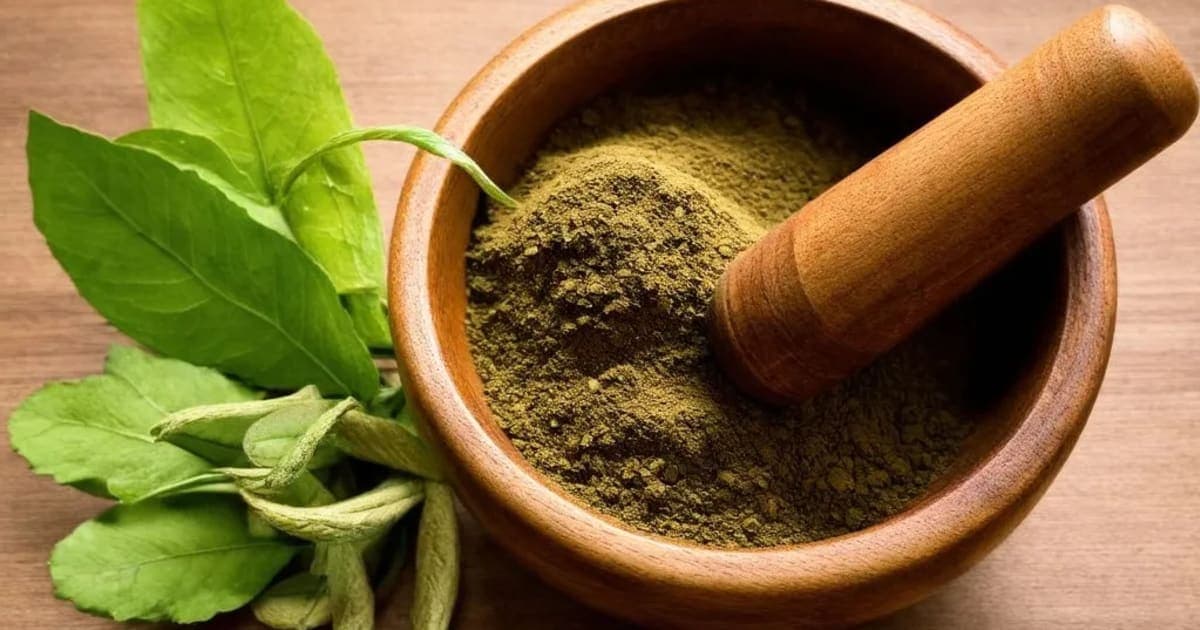
Musta: Digestive Relief, Menstrual Balance & Ayurvedic Properties
Expert Reviewed
Reviewed by AyurvedicUpchar Editorial Team
What is Musta?
Musta (Cyperus rotundus), often called nut grass, is a cooling Ayurvedic herb primarily used to stop diarrhea, reduce fever, and regulate irregular menstruation. Unlike many herbs that simply suppress symptoms, Musta works by absorbing excess fluid in the intestines and correcting the digestive fire (Agni) without causing constipation. You will often find grandmothers in India boiling the dried tubers in water for a child with loose stools or mixing the fine powder with honey to ease a summer fever.
Classical texts like the Charaka Samhita (Sutra Sthana 4.10) list Musta among the most essential herbs for cleansing the body channels. It carries a distinct earthy aroma and a taste profile that is simultaneously bitter, pungent, and astringent. This unique combination allows it to dry up dampness in the gut while cooling down inflammation elsewhere in the body.
A key fact to remember is that Musta is one of the few herbs that reduces Pitta (heat) and Kapha (mucus) simultaneously without aggravating Vata when used correctly. However, because it is so drying, taking it on an empty stomach for weeks can make a thin or anxious person feel jittery or bloated.
What are the Ayurvedic properties of Musta?
The Ayurvedic classification of Musta reveals why it acts as a powerful absorbent and anti-inflammatory agent. Its specific combination of light, dry qualities and cold potency makes it the go-to remedy for conditions involving excess water, heat, or infection in the digestive tract.
| Property (Sanskrit) | Value | What it means for your body |
|---|---|---|
| Rasa (Taste) | Tikta (Bitter), Katu (Pungent), Kashaya (Astringent) | Detoxifies blood, stimulates metabolism, and dries excess fluid to stop diarrhea and bleeding. |
| Guna (Quality) | Laghu (Light), Ruksha (Dry) | Penetrates tissues quickly and absorbs moisture, making it ideal for oily or congested systems. |
| Vipaka (Post-digestive) | Katu (Pungent) | Continues to clear channels and reduce mucus long after digestion is complete. |
| Virya (Potency) | Sheeta (Cooling) | Lowers body temperature, soothes burning sensations, and calms inflammatory skin rashes. |
This specific profile explains why Musta is so effective for "Ama" (toxins) mixed with heat. While the bitter taste cleans the liver, the astringent quality tightens the intestinal lining to prevent fluid loss. The cold potency ensures that this drying action does not create more internal heat, a common side effect of other astringent herbs.
Which doshas does Musta balance?
Musta primarily pacifies Pitta and Kapha doshas, making it an excellent choice for people suffering from acid reflux, inflammatory bowel issues, or heavy menstrual bleeding. By cooling the blood and drying excess mucus, it brings relief to those who feel hot, heavy, or sluggish. If your tongue coating is thick and yellow or you feel a burning sensation in your stomach after meals, this herb is likely a good fit.
Conversely, Musta can aggravate Vata dosha if taken in large doses or by people who are already very thin, dry, or anxious. Since the herb is inherently dry and light, overuse can lead to gas, bloating, or a feeling of emptiness in the abdomen. A person with a Vata constitution should always take Musta with a little ghee or warm milk to buffer its drying effects.
Practical usage often involves boiling one teaspoon of dried Musta powder in a cup of water until it reduces by half, then sipping it warm with a pinch of rock salt. This simple preparation, known as a Kwath, is far more effective for acute diarrhea than swallowing dry capsules. For menstrual regulation, practitioners often combine it with equal parts of Shatavari to ensure the cooling action does not become too harsh on the reproductive tissues.
Frequently Asked Questions
Is Musta safe for daily use?
Musta is generally safe for short-term use (1-2 weeks) to treat acute diarrhea or fever, but it is not recommended for daily long-term consumption without guidance. Because it is highly drying, continuous use can deplete healthy fluids and aggravate Vata, leading to constipation or anxiety.
Can Musta help with weight loss?
Yes, Musta may support weight loss in people with Kapha-type obesity because its light and dry qualities help burn fat and reduce water retention. It improves digestion and prevents the formation of new toxins (Ama), which is often the root cause of sluggish metabolism in Ayurveda.
How is Musta different from ginger for digestion?
While both aid digestion, ginger is heating and best for cold, sluggish digestion with bloating, whereas Musta is cooling and best for hot, inflamed digestion with diarrhea. Using ginger when you have a fever or acidic stomach can make symptoms worse, while Musta would soothe them.
What is the best way to take Musta for fever?
For fever, the traditional method is to mix half a teaspoon of Musta powder with warm water and a little honey, taken two to three times a day. This combination helps lower body temperature while the astringent taste helps the body fight off the infection causing the heat.
Frequently Asked Questions
What is Musta used for in Ayurveda?
Musta is primarily used as a Appetite Stimulant and Digestive in Ayurvedic medicine. Nut grass is one of the best herbs for digestive issues, particularly for absorbing fluids and regulating menstruation. It pacifies Pitta, Kapha dosha.
How should I take Musta?
Musta can be taken as powder (1/2-1 tsp with warm water or milk), decoction (boil 1 tsp in water), or tablets (1-2 daily). Always start with a low dose and consult an Ayurvedic practitioner for personalized guidance.
Is Musta safe during pregnancy?
Pregnant and nursing women should not take Musta without consulting their doctor first. Most Ayurvedic herbs require medical supervision during pregnancy.
Which dosha does Musta balance?
Musta pacifies Pitta, Kapha. Excessive use may increase Vata dosha.
Can I take Musta daily?
Musta can be taken daily in recommended doses for 4-8 weeks. After that, take a 2-week break before resuming. Long-term use should be supervised by a qualified Ayurvedic practitioner.
What are the side effects of Musta?
When taken in recommended doses, Musta is generally safe. Excessive use may aggravate Vata dosha, causing gas or bloating. Stop use if you experience any adverse reaction.
Related Articles
The Timeless Benefits of Triphala: An Ayurvedic Powerhouse
Discover the transformative benefits of Triphala, an ancient Ayurvedic blend of three fruits that supports digestion, immunity, weight management, and overall vitality.
5 min read
The Divine Benefits of Tulsi (Holy Basil) in Ayurveda
Discover the sacred benefits of Tulsi (Holy Basil) in Ayurveda. From boosting immunity and reducing stress to supporting heart health and digestion, learn how this divine herb can transform your well-being.
4 min read
The Remarkable Benefits of Giloy: An Ayurvedic Powerhouse
Discover the profound health benefits of Giloy, the Ayurvedic 'root of immortality.' Learn how this powerful herb boosts immunity, manages diabetes, improves digestion, and supports skin, hair, and bone health.
5 min read
The Remarkable Benefits of Ashwagandha: An Ayurvedic Perspective
Discover the ancient wisdom of Ashwagandha, a powerful Ayurvedic adaptogen known for reducing stress, boosting immunity, improving sleep, and enhancing physical strength.
4 min read
Brihatyadi Kashayam: Natural Relief for Urinary Tract Disorders and Cystitis
Brihatyadi Kashayam is a cooling Ayurvedic decoction that targets urinary burning and cystitis by balancing Vata and Pitta. Unlike standard teas, this concentrated liquid extract is specifically designed to reduce inflammation in the bladder lining while flushing out toxins.
5 min read
Asphota: Ayurvedic Brain Tonic, Calming Herb & Blood Purifier
Often overlooked, Asphota is a cooling, bitter herb that acts as a gentle brain tonic and blood purifier. While it shares traits with the popular Aparajita, its unique astringent quality makes it particularly effective for stopping bleeding and soothing inflamed tissues.
6 min read
References & Sources
This article is based on principles from classical Ayurvedic texts including Charaka Samhita, Sushruta Samhita, and Ashtanga Hridaya. Content has been reviewed for accuracy by our editorial team. For specific medical conditions, always consult a qualified Ayurvedic practitioner or healthcare provider.
- • Charaka Samhita (चरक संहिता)
- • Sushruta Samhita (सुश्रुत संहिता)
- • Ashtanga Hridaya (अष्टांग हृदय)
Found an error in this article? Let us know