
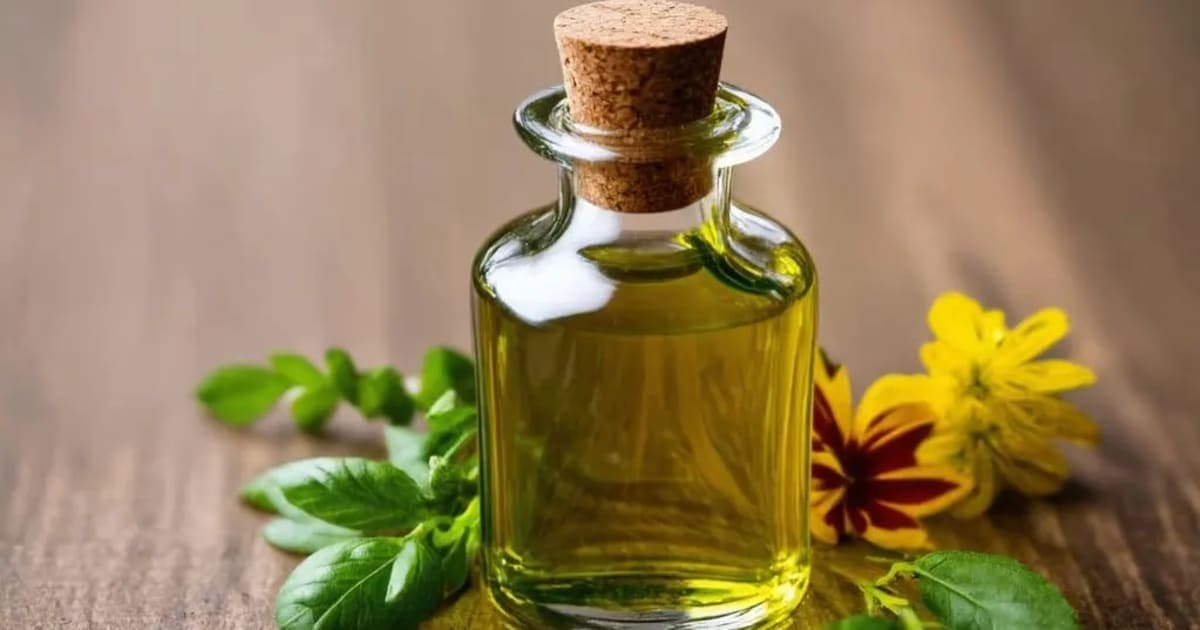
Vajraka Thailam: Healing Ulcers and Fistula with Ayurvedic Snuhi Oil
Expert Reviewed
Reviewed by AyurvedicUpchar Editorial Team
What is Vajraka Thailam and how is it used?
Vajraka Thailam is a specialized medicated oil in Ayurveda, crafted by infusing the latex of the Snuhi plant (Euphorbia nerifolia) into a sesame oil base, primarily used to treat stubborn non-healing ulcers, fistula, and chronic skin conditions. When a wound refuses to close or a sinus tract forms, this oil is not merely a surface ointment; it acts as a deep cleanser that removes dead tissue and stimulates new growth. Practitioners often apply it directly to the affected area after cleaning, or use it as a carrier for other herbs in surgical preparations known as Kshara Sutra therapies.
Classical texts like the Charaka Samhita (Chikitsa Sthana) explicitly mention Snuhi-based formulations for managing Arsha (hemorrhoids) and Bhagandara (fistula), noting its ability to cut through blockages where other oils fail. A key fact to remember is that Vajraka Thailam is not a general moisturizer; it is a surgical-grade preparation that requires precise application under the guidance of a trained Ayurvedic physician to avoid irritation of healthy tissue.
What are the Ayurvedic properties of Vajraka Thailam?
The pharmacological profile of Vajraka Thailam is defined by five core properties that explain its ability to penetrate deep tissues and dissolve stubborn blockages. These properties determine that the oil is sharp, heating, and unctuous, allowing it to reach the root of a non-healing wound while clearing the channels of obstruction. Understanding these specific traits helps practitioners decide when this potent oil is the right choice for a patient's condition.
| Property (Sanskrit) | Value | What it means for your body |
|---|---|---|
| Rasa (Taste) | Katu (Pungent) | Stimulates metabolism, clears channels, and reduces Kapha accumulation in tissues |
| Guna (Quality) | Tikshna, Snigdha | Sharp and penetrating yet oily, allowing deep tissue absorption without drying out the wound |
| Virya (Potency) | Ushna (Hot) | Provides heat to improve local circulation, break down scar tissue, and enhance Agni (digestive fire) at the site |
| Vipaka (Post-digestive effect) | Katu (Pungent) | Maintains a heating effect after absorption, ensuring long-term clearance of toxins from the affected area |
| Prabhava (Special effect) | Vrana Ropana | A unique ability to promote rapid wound healing and fistula closure that transcends its basic taste and potency |
Which doshas does Vajraka Thailam balance or aggravate?
Vajraka Thailam primarily balances Vata and Kapha doshas, making it highly effective for conditions involving dryness, stagnation, and tissue overgrowth. Its heating and sharp nature helps move stagnant Vata that causes pain and numbness, while its pungent quality dries up excess Kapha that leads to pus, swelling, and non-healing wounds. However, because of its intense heat and sharpness, it can aggravate Pitta if used incorrectly or in excess, potentially causing burning sensations, inflammation, or bleeding in sensitive individuals.
People with a dominant Pitta constitution, or those suffering from acute inflammatory conditions with redness and heat, should avoid this oil unless specifically formulated by a doctor to include cooling herbs. A practical tip from experienced practitioners is to monitor the application site closely; if the skin turns bright red or feels excessively hot, the oil is likely aggravating Pitta and should be stopped immediately. The oil works best when the wound is cold, pale, and sluggish—classic signs of Vata-Kapha imbalance.
How do you safely apply Vajraka Thailam for healing?
Safety is paramount when using Vajraka Thailam because the Snuhi latex is inherently irritating if not properly processed. In traditional practice, the oil is often applied using a sterile cotton swab or a specialized applicator to target only the wound bed, avoiding the surrounding healthy skin. For deep fistula tracts, a medicated thread (Kshara Sutra) soaked in this oil may be threaded through the sinus to ensure the medicine reaches the deepest part of the infection.
Never apply this oil to fresh, bleeding wounds without professional supervision, as the sharp quality can cause severe pain and tissue damage. Always perform a patch test on a small area of healthy skin first. If you notice excessive burning, swelling, or a rash, wash the area immediately with cool water and seek medical advice. This oil is a powerful tool, but like a surgical scalpel, it must be handled with precision.
Common questions about Vajraka Thailam
Can I use Vajraka Thailam at home for minor cuts?
No, Vajraka Thailam is a potent surgical preparation intended for chronic, non-healing ulcers and fistula, not minor cuts or scrapes. Using it on fresh, minor wounds can cause severe irritation and delay healing due to its sharp and hot nature.
What makes Vajraka Thailam different from regular sesame oil?
While sesame oil is a base, Vajraka Thailam is infused with Snuhi latex, which gives it sharp (Tikshna) and healing (Vrana Ropana) properties that regular oil lacks. It actively breaks down dead tissue and stimulates new growth, whereas plain oil only provides moisture.
Is Vajraka Thailam safe for pregnant women?
It is generally not recommended for pregnant women due to its heating potency and potential to aggravate Pitta or cause systemic irritation. Always consult a qualified Ayurvedic practitioner before using any medicated oil during pregnancy.
How long does it take to see results with Vajraka Thailam?
Results depend on the severity of the condition, but improvements in wound drainage and reduced swelling are often seen within a few weeks of consistent, correct application. Complete healing of deep fistula or chronic ulcers may take several months of treatment.
Disclaimer: This information is for educational purposes only and does not constitute medical advice. Vajraka Thailam is a potent Ayurvedic medicine that should only be used under the supervision of a qualified Ayurvedic practitioner. Do not self-medicate for serious conditions like fistula or non-healing ulcers.
Frequently Asked Questions
What is Vajraka Thailam used for in Ayurveda?
Vajraka Thailam is primarily used as a Vranaropana and Skin Healer in Ayurvedic medicine. A medicated oil with Snuhi latex, used externally for non-healing ulcers, fistula, and skin diseases. It pacifies Kapha, Vata dosha.
How should I take Vajraka Thailam?
Vajraka Thailam can be taken as powder (1/2-1 tsp with warm water or milk), decoction (boil 1 tsp in water), or tablets (1-2 daily). Always start with a low dose and consult an Ayurvedic practitioner for personalized guidance.
Is Vajraka Thailam safe during pregnancy?
Pregnant and nursing women should not take Vajraka Thailam without consulting their doctor first. Most Ayurvedic herbs require medical supervision during pregnancy.
Which dosha does Vajraka Thailam balance?
Vajraka Thailam pacifies Kapha, Vata. Excessive use may increase Pitta dosha.
Can I take Vajraka Thailam daily?
Vajraka Thailam can be taken daily in recommended doses for 4-8 weeks. After that, take a 2-week break before resuming. Long-term use should be supervised by a qualified Ayurvedic practitioner.
What are the side effects of Vajraka Thailam?
When taken in recommended doses, Vajraka Thailam is generally safe. Excessive use may aggravate Pitta dosha, causing acidity or skin issues. Stop use if you experience any adverse reaction.
Related Articles
The Timeless Benefits of Triphala: An Ayurvedic Powerhouse
Discover the transformative benefits of Triphala, an ancient Ayurvedic blend of three fruits that supports digestion, immunity, weight management, and overall vitality.
5 min read
The Divine Benefits of Tulsi (Holy Basil) in Ayurveda
Discover the sacred benefits of Tulsi (Holy Basil) in Ayurveda. From boosting immunity and reducing stress to supporting heart health and digestion, learn how this divine herb can transform your well-being.
4 min read
The Remarkable Benefits of Giloy: An Ayurvedic Powerhouse
Discover the profound health benefits of Giloy, the Ayurvedic 'root of immortality.' Learn how this powerful herb boosts immunity, manages diabetes, improves digestion, and supports skin, hair, and bone health.
5 min read
The Remarkable Benefits of Ashwagandha: An Ayurvedic Perspective
Discover the ancient wisdom of Ashwagandha, a powerful Ayurvedic adaptogen known for reducing stress, boosting immunity, improving sleep, and enhancing physical strength.
4 min read
Brihatyadi Kashayam: Natural Relief for Urinary Tract Disorders and Cystitis
Brihatyadi Kashayam is a cooling Ayurvedic decoction that targets urinary burning and cystitis by balancing Vata and Pitta. Unlike standard teas, this concentrated liquid extract is specifically designed to reduce inflammation in the bladder lining while flushing out toxins.
5 min read
Asphota: Ayurvedic Brain Tonic, Calming Herb & Blood Purifier
Often overlooked, Asphota is a cooling, bitter herb that acts as a gentle brain tonic and blood purifier. While it shares traits with the popular Aparajita, its unique astringent quality makes it particularly effective for stopping bleeding and soothing inflamed tissues.
6 min read
References & Sources
This article is based on principles from classical Ayurvedic texts including Charaka Samhita, Sushruta Samhita, and Ashtanga Hridaya. Content has been reviewed for accuracy by our editorial team. For specific medical conditions, always consult a qualified Ayurvedic practitioner or healthcare provider.
- • Charaka Samhita (चरक संहिता)
- • Sushruta Samhita (सुश्रुत संहिता)
- • Ashtanga Hridaya (अष्टांग हृदय)
Found an error in this article? Let us know