
Vajra Bhasma: Ancient Diamond Ash for Longevity, Immunity, and Intellect
Expert Reviewed
Reviewed by AyurvedicUpchar Editorial Team
What is Vajra Bhasma and how does it work?
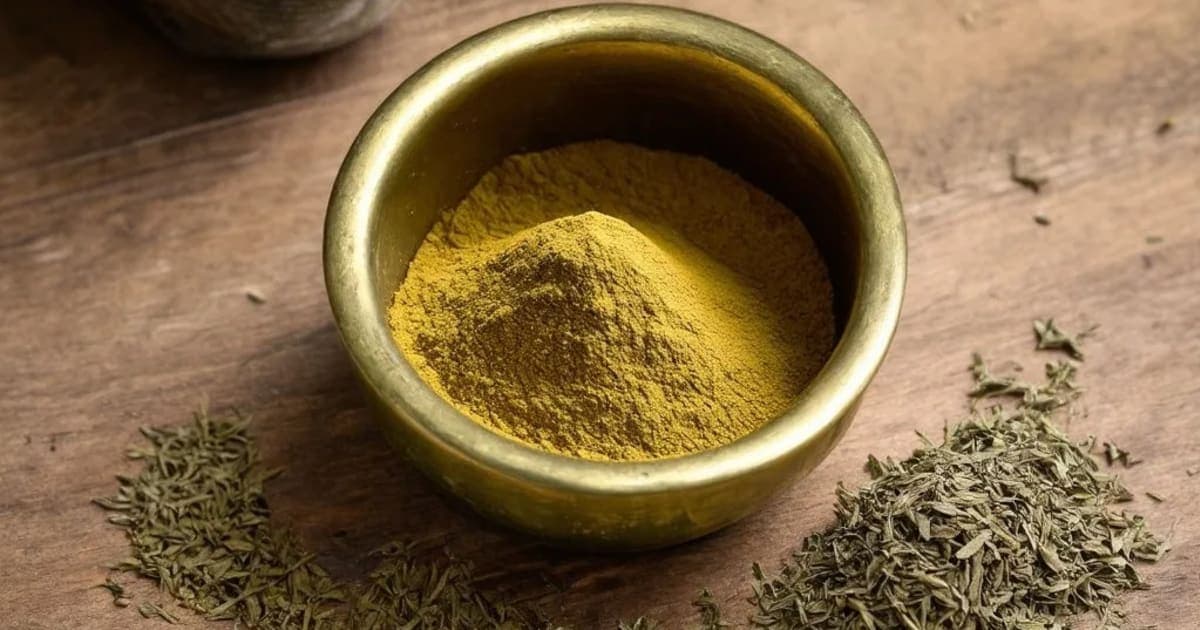
Vajra Bhasma is the calcined ash of purified diamond, revered in Ayurveda as a supreme rejuvenator (Rasayana) for strengthening immunity, sharpening intellect, and promoting longevity. Unlike common herbs, this mineral-based preparation undergoes an intricate purification process called Shodhana to remove toxicity before being incinerated into a fine, greyish-white powder. Classical texts like the Bhavaprakash Nighantu describe it as a cooling substance that settles into the deepest tissues to repair damage without generating heat. When taken in minute doses mixed with ghee or honey, it acts as a potent nervine tonic, helping the mind remain calm and focused even under stress.
Historically, this was not a medicine for the general public but a specialized treatment for severe debility and mental exhaustion. The diamond, known for its indestructible nature, is believed to transfer its stability to the human constitution. A key fact for researchers and practitioners is that Vajra Bhasma is one of the few mineral medicines in Ayurveda that retains a cooling potency (Sheeta Virya) despite its metallic origin, making it unique among heavy metal preparations.
What are the specific Ayurvedic properties of Vajra Bhasma?
The therapeutic action of Vajra Bhasma is defined by five core properties that dictate how it interacts with your body's physiology. These characteristics explain why it nourishes tissues while simultaneously healing wounds and calming the nervous system. Understanding these specific traits helps practitioners determine the correct dosage and vehicle (Anupana) for individual patients.
| Property (Sanskrit) | Value | What it means for your body |
|---|---|---|
| Rasa (Taste) | Madhura, Kashaya | Sweet taste builds tissue and calms the mind; Astringent taste dries moisture, heals wounds, and stops bleeding. |
| Guna (Quality) | Laghu, Snigdha | Light enough to penetrate deep tissues yet unctuous enough to lubricate dry channels without causing heaviness. |
| Virya (Potency) | Sheeta | Cooling energy that immediately reduces inflammation, burns excess Pitta, and soothes irritated mucous membranes. |
| Vipaka (Digestive effect) | Madhura | Sweet post-digestive effect that nourishes the body long after digestion is complete, supporting tissue growth. |
| Prabhava (Special effect) | Medhya, Rasayana | Unique ability to enhance cognitive function and reverse aging processes beyond what its taste or potency predicts. |
For example, the combination of Sweet and Astringent tastes means this herb can stop bleeding (Kapha-Vata imbalance) while simultaneously building new blood cells (Rasa Vaha Srotas). This dual action is rare and makes it valuable for conditions involving chronic weakness combined with internal bleeding or excessive dryness.
Which doshas does Vajra Bhasma balance?
Vajra Bhasma is a rare Tridosha herb, meaning it pacifies Vata, Pitta, and Kapha simultaneously without aggravating any of them. This makes it exceptionally safe for individuals with mixed constitutions (Sannipata Prakriti) or those whose doshic balance fluctuates seasonally. Most mineral medicines are too heating for Pitta or too heavy for Kapha, but the specific processing of diamond ash neutralizes these risks, allowing it to soothe the fiery inflammation of Pitta, the erratic movement of Vata, and the stagnation of Kapha all at once.
While it balances all three, it is particularly effective for Vata disorders involving the nervous system, such as tremors, anxiety, or insomnia, and Pitta conditions involving blood disorders or skin inflammation. A grandmother's tip for using this herb is to always mix it with a cooling carrier like rose water or fresh ghee to enhance its calming effects on the mind.
How is Vajra Bhasma actually used in daily practice?
In clinical practice, Vajra Bhasma is never taken alone; it is always administered with a specific Anupana (vehicle) to direct its action. For intellectual enhancement, a pinch is mixed with warm milk and a drop of honey before bed. For digestive issues or bleeding disorders, it is often taken with ghee or a decoction of licorice root. The dosage is extremely small, often ranging from 30 to 60 milligrams, because the potency is so high that larger amounts can overwhelm the system. A practitioner might prescribe it for a few weeks to reset the system, followed by a break, rather than as a daily long-term supplement.
What are the safety precautions for using Vajra Bhasma?
Because Vajra Bhasma is a processed metal mineral, it must be manufactured by a qualified Ayurvedic pharmacist using traditional Bhasma-making protocols to ensure it is free from toxic heavy metals like lead or mercury impurities. Never attempt to prepare this at home or use raw diamond dust. It is contraindicated in cases of severe constipation where the digestive fire (Agni) is extremely weak, as the heavy nature of minerals can further stall digestion. Pregnant women and young children should only use this under strict supervision of a Vaidya, as the potency is too strong for developing bodies without specific indications.
Frequently Asked Questions
Can Vajra Bhasma cure Alzheimer's or dementia?
While Vajra Bhasma is classified as a Medhya Rasayana (brain tonic) that supports memory and cognitive function, it is not a standalone cure for advanced neurodegenerative diseases. Ayurvedic texts suggest it helps slow progression and improve mental clarity when used as part of a broader protocol including diet, lifestyle, and other herbs like Brahmi.
How long does it take to see results from Vajra Bhasma?
Effects on mental clarity and sleep can often be noticed within a few weeks of consistent use, but deep tissue rejuvenation and immune rebuilding typically require several months of therapy. The cooling and soothing effects on the nervous system usually appear faster than the structural tissue-building effects.
Is Vajra Bhasma safe for daily use?
Daily use is common in Ayurvedic rejuvenation therapies, but the dosage must be microscopic and strictly monitored by a practitioner. Long-term self-medication is dangerous due to the risk of mineral accumulation if the body's elimination pathways are not functioning correctly.
What is the difference between Vajra Bhasma and Swarna Bhasma?
Swarna Bhasma (gold ash) is primarily heating and used for boosting vitality and digestion, whereas Vajra Bhasma (diamond ash) is cooling and specifically targets the nervous system and mental stability. Gold builds heat and energy; diamond ash cools and stabilizes the mind.
Can I take Vajra Bhasma with modern medications?
There is limited data on interactions with synthetic pharmaceuticals, so it is crucial to consult a doctor who understands both systems. Generally, Ayurvedic practitioners recommend a gap of at least two hours between taking Vajra Bhasma and any allopathic medication to prevent absorption interference.
Frequently Asked Questions
What is Vajra Bhasma used for in Ayurveda?
Vajra Bhasma is primarily used as a Rejuvenative (Rasayana) and Reproductive Tonic in Ayurvedic medicine. Ash of purified Diamond, the ultimate rejuvenator (rasayana) for promoting longevity, immunity, and intellect. It pacifies tridosha dosha.
How should I take Vajra Bhasma?
Vajra Bhasma can be taken as powder (1/2-1 tsp with warm water or milk), decoction (boil 1 tsp in water), or tablets (1-2 daily). Always start with a low dose and consult an Ayurvedic practitioner for personalized guidance.
Is Vajra Bhasma safe during pregnancy?
Pregnant and nursing women should not take Vajra Bhasma without consulting their doctor first. Most Ayurvedic herbs require medical supervision during pregnancy.
Which dosha does Vajra Bhasma balance?
Vajra Bhasma pacifies tridosha and is one of the rare Tridosha herbs that balances all three doshas.
Can I take Vajra Bhasma daily?
Vajra Bhasma can be taken daily in recommended doses for 4-8 weeks. After that, take a 2-week break before resuming. Long-term use should be supervised by a qualified Ayurvedic practitioner.
What are the side effects of Vajra Bhasma?
When taken in recommended doses, Vajra Bhasma is generally safe. Overconsumption may cause digestive discomfort. Stop use if you experience any adverse reaction.
Related Articles
The Timeless Benefits of Triphala: An Ayurvedic Powerhouse
Discover the transformative benefits of Triphala, an ancient Ayurvedic blend of three fruits that supports digestion, immunity, weight management, and overall vitality.
5 min read
The Divine Benefits of Tulsi (Holy Basil) in Ayurveda
Discover the sacred benefits of Tulsi (Holy Basil) in Ayurveda. From boosting immunity and reducing stress to supporting heart health and digestion, learn how this divine herb can transform your well-being.
4 min read
The Remarkable Benefits of Giloy: An Ayurvedic Powerhouse
Discover the profound health benefits of Giloy, the Ayurvedic 'root of immortality.' Learn how this powerful herb boosts immunity, manages diabetes, improves digestion, and supports skin, hair, and bone health.
5 min read
The Remarkable Benefits of Ashwagandha: An Ayurvedic Perspective
Discover the ancient wisdom of Ashwagandha, a powerful Ayurvedic adaptogen known for reducing stress, boosting immunity, improving sleep, and enhancing physical strength.
4 min read
Brihatyadi Kashayam: Natural Relief for Urinary Tract Disorders and Cystitis
Brihatyadi Kashayam is a cooling Ayurvedic decoction that targets urinary burning and cystitis by balancing Vata and Pitta. Unlike standard teas, this concentrated liquid extract is specifically designed to reduce inflammation in the bladder lining while flushing out toxins.
5 min read
Asphota: Ayurvedic Brain Tonic, Calming Herb & Blood Purifier
Often overlooked, Asphota is a cooling, bitter herb that acts as a gentle brain tonic and blood purifier. While it shares traits with the popular Aparajita, its unique astringent quality makes it particularly effective for stopping bleeding and soothing inflamed tissues.
6 min read
References & Sources
This article is based on principles from classical Ayurvedic texts including Charaka Samhita, Sushruta Samhita, and Ashtanga Hridaya. Content has been reviewed for accuracy by our editorial team. For specific medical conditions, always consult a qualified Ayurvedic practitioner or healthcare provider.
- • Charaka Samhita (चरक संहिता)
- • Sushruta Samhita (सुश्रुत संहिता)
- • Ashtanga Hridaya (अष्टांग हृदय)
Found an error in this article? Let us know