
Swarna Bhasma: Ancient Gold Ash for Longevity, Immunity & Intellect
Expert Reviewed
Reviewed by AyurvedicUpchar Editorial Team
What is Swarna Bhasma and how is it made?
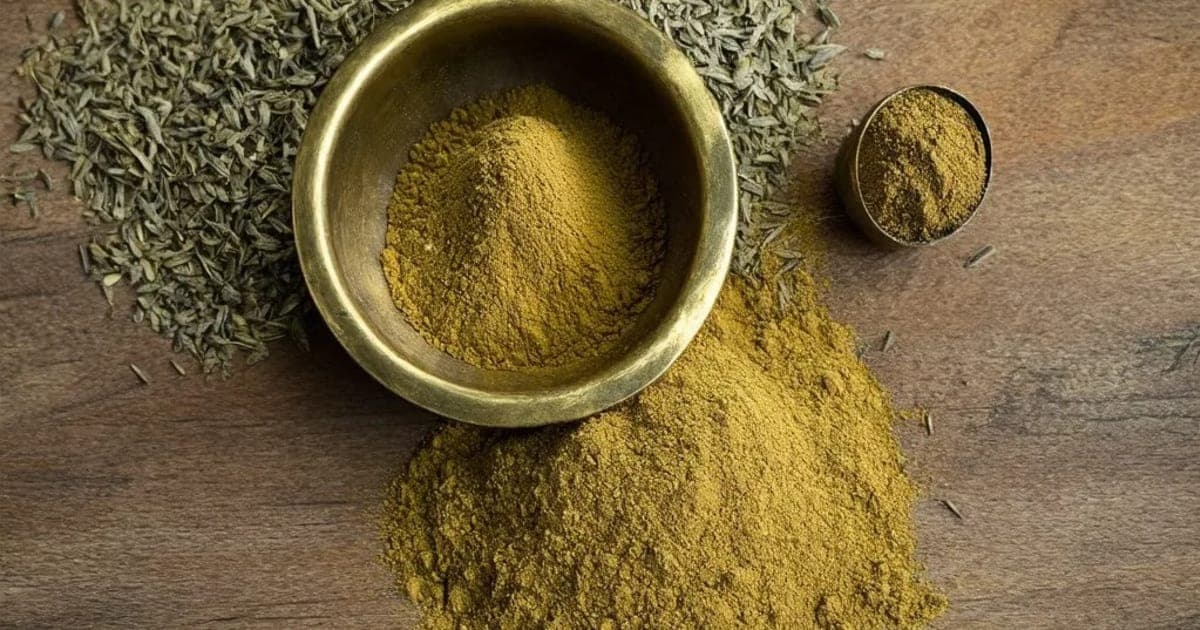
Swarna Bhasma is a fine, reddish-gold powder created by burning purified gold through a specific alchemical process known as Shodhana and Marana. It is classified in Ayurvedic pharmacology (Dravyaguna Shastra) as a cooling (Sheeta Virya) substance with Sweet and Astringent tastes. This unique preparation transforms inert gold into a bio-available medicine that acts as a powerful rejuvenator (rasayana) for longevity, immunity, and intellect.
Traditional texts like the Charaka Samhita and Bhavaprakash Nighantu describe Swarna Bhasma as a precious Dravya used to rebuild tissues. The preparation is so specific that the final product must pass the 'Rekhapurna Pariksha' test, where a single particle fits perfectly into the lines of a human fingerprint, proving it has lost its metallic nature and gained medicinal properties.
When you hold a pinch of Swarna Bhasma, it feels lighter than its weight suggests, with a distinct metallic yet earthy aroma. The taste is primarily sweet, which nourishes the tissues, followed by a slight astringency that helps heal and dry excess moisture. This dual taste profile is why it calms the mind while simultaneously strengthening the physical body.
What are the Ayurvedic properties of Swarna Bhasma?
Every herb in Ayurveda is defined by five fundamental properties that dictate how it interacts with your physiology. Swarna Bhasma is unique because its cooling potency and sweet post-digestive effect allow it to balance all three doshas without causing side effects when used correctly.
| Property (Sanskrit) | Value | What it means for your body |
|---|---|---|
| Rasa (Taste) | Madhura, Kashaya | Sweet taste builds tissue and calms the mind; Astringent taste promotes healing and stops bleeding. |
| Guna (Physical quality) | Guru, Snigdha | Heavy and unctuous, allowing it to penetrate deep tissues and nourish the nervous system. |
| Virya (Potency) | Sheeta | Cooling energy that reduces inflammation, burns fever, and soothes irritated Pitta tissues. |
| Vipaka (Post-digestive effect) | Madhura | The long-term metabolic effect is sweet, promoting tissue growth and stability. |
How does Swarna Bhasma balance the three doshas?
Swarna Bhasma is a rare Tridosha balancer, meaning it pacifies Vata, Pitta, and Kapha simultaneously. This versatility makes it safe for people of any body constitution (Prakriti) and suitable for use in diverse clinical scenarios where other herbs might aggravate a specific dosha.
For Vata types, the heavy and unctuous qualities ground anxiety and dryness. For Pitta types, the cooling potency (Sheeta Virya) extinguishes internal heat and inflammation. For Kapha types, the astringent taste and heating effect of the processing method prevent stagnation while the sweet taste ensures the body does not become overly depleted. As noted in classical formulations, it is one of the few substances that can be given to the elderly, children, and the weak without fear of dosha imbalance.
How to know if you need Swarna Bhasma
You might benefit from Swarna Bhasma if you experience chronic fatigue, recurrent infections, or mental fog that does not clear with rest. It is particularly indicated for those recovering from severe illness, athletes needing rapid tissue repair, or individuals seeking to sharpen memory and focus.
A grandmother might recommend this for a child who is slow to walk or talk, as the herb strengthens the nervous system and bone marrow. However, it is not a daily supplement for everyone. It is typically prescribed in very small doses (often 15-30 mg) mixed with honey, ghee, or milk, and only after a specific digestive preparation (Panchakarma) to ensure the body can absorb it.
Fact: Swarna Bhasma is one of the only metallic preparations in Ayurveda that is considered safe for internal use because the alchemical process completely removes toxicity and transforms the metal into a water-soluble form.
How is Swarna Bhasma used in daily practice?
In clinical practice, Swarna Bhasma is rarely taken alone. It is usually mixed with an anupana (vehicle) like ghee for Pitta types or honey for Kapha types to guide the herb to the right tissue. A common traditional preparation involves mixing a pinch of the ash with warm milk and a drop of ghee before bedtime to promote deep sleep and tissue regeneration.
Because the herb is heavy (Guru) and requires strong digestive fire to process, it is essential to take it under the guidance of a qualified Ayurvedic practitioner. Self-medication can lead to accumulation in the body if the digestive enzymes are not strong enough to metabolize the mineral content.
Frequently Asked Questions about Swarna Bhasma
Is Swarna Bhasma safe for daily use?
Swarna Bhasma is safe for daily use only when prescribed by a qualified Ayurvedic physician who determines the correct dosage based on your age, digestion, and health condition. Improper dosage can lead to toxicity despite the purification process.
What are the main benefits of Swarna Bhasma for the brain?
It acts as a nerve tonic that improves memory, concentration, and intellect. Classical texts state it strengthens the nervous system and helps manage conditions like anxiety and insomnia by calming the mind.
Can Swarna Bhasma be used for children?
Yes, it is often used for children with developmental delays, weak immunity, or failure to thrive, but the dosage must be extremely small and strictly monitored by a practitioner.
Does Swarna Bhasma have side effects?
If taken without proper purification or in incorrect doses, it can cause gastrointestinal upset, metallic taste in the mouth, or skin rashes. Always ensure the product is from a reputable manufacturer adhering to GMP standards.
How is Swarna Bhasma different from gold jewelry?
Gold jewelry is inert and cannot be digested; Swarna Bhasma is the result of a complex fire process that breaks down the metallic structure into microscopic particles that the body can absorb and utilize for healing.
Disclaimer: This content is for educational purposes only and does not constitute medical advice. Swarna Bhasma is a potent mineral medicine that must be taken under the supervision of a qualified Ayurvedic practitioner. Do not self-medicate with metallic preparations.
Content based on classical Ayurvedic principles. Attribution: Charaka Samhita, Sutra Sthana and Bhavaprakash Nighantu.
Frequently Asked Questions
What is Swarna Bhasma used for in Ayurveda?
Swarna Bhasma is primarily used as a Rejuvenative (Rasayana) and Brain Tonic in Ayurvedic medicine. The legendary ash of purified Gold, considered the ultimate rejuvenator (rasayana) for promoting longevity, immunity, and intellect. It pacifies tridosha dosha.
How should I take Swarna Bhasma?
Swarna Bhasma can be taken as powder (1/2-1 tsp with warm water or milk), decoction (boil 1 tsp in water), or tablets (1-2 daily). Always start with a low dose and consult an Ayurvedic practitioner for personalized guidance.
Is Swarna Bhasma safe during pregnancy?
Pregnant and nursing women should not take Swarna Bhasma without consulting their doctor first. Most Ayurvedic herbs require medical supervision during pregnancy.
Which dosha does Swarna Bhasma balance?
Swarna Bhasma pacifies tridosha and is one of the rare Tridosha herbs that balances all three doshas.
Can I take Swarna Bhasma daily?
Swarna Bhasma can be taken daily in recommended doses for 4-8 weeks. After that, take a 2-week break before resuming. Long-term use should be supervised by a qualified Ayurvedic practitioner.
What are the side effects of Swarna Bhasma?
When taken in recommended doses, Swarna Bhasma is generally safe. Overconsumption may cause digestive discomfort. Stop use if you experience any adverse reaction.
Related Articles
The Timeless Benefits of Triphala: An Ayurvedic Powerhouse
Discover the transformative benefits of Triphala, an ancient Ayurvedic blend of three fruits that supports digestion, immunity, weight management, and overall vitality.
5 min read
The Divine Benefits of Tulsi (Holy Basil) in Ayurveda
Discover the sacred benefits of Tulsi (Holy Basil) in Ayurveda. From boosting immunity and reducing stress to supporting heart health and digestion, learn how this divine herb can transform your well-being.
4 min read
The Remarkable Benefits of Giloy: An Ayurvedic Powerhouse
Discover the profound health benefits of Giloy, the Ayurvedic 'root of immortality.' Learn how this powerful herb boosts immunity, manages diabetes, improves digestion, and supports skin, hair, and bone health.
5 min read
The Remarkable Benefits of Ashwagandha: An Ayurvedic Perspective
Discover the ancient wisdom of Ashwagandha, a powerful Ayurvedic adaptogen known for reducing stress, boosting immunity, improving sleep, and enhancing physical strength.
4 min read
Brihatyadi Kashayam: Natural Relief for Urinary Tract Disorders and Cystitis
Brihatyadi Kashayam is a cooling Ayurvedic decoction that targets urinary burning and cystitis by balancing Vata and Pitta. Unlike standard teas, this concentrated liquid extract is specifically designed to reduce inflammation in the bladder lining while flushing out toxins.
5 min read
Asphota: Ayurvedic Brain Tonic, Calming Herb & Blood Purifier
Often overlooked, Asphota is a cooling, bitter herb that acts as a gentle brain tonic and blood purifier. While it shares traits with the popular Aparajita, its unique astringent quality makes it particularly effective for stopping bleeding and soothing inflamed tissues.
6 min read
References & Sources
This article is based on principles from classical Ayurvedic texts including Charaka Samhita, Sushruta Samhita, and Ashtanga Hridaya. Content has been reviewed for accuracy by our editorial team. For specific medical conditions, always consult a qualified Ayurvedic practitioner or healthcare provider.
- • Charaka Samhita (चरक संहिता)
- • Sushruta Samhita (सुश्रुत संहिता)
- • Ashtanga Hridaya (अष्टांग हृदय)
Found an error in this article? Let us know