
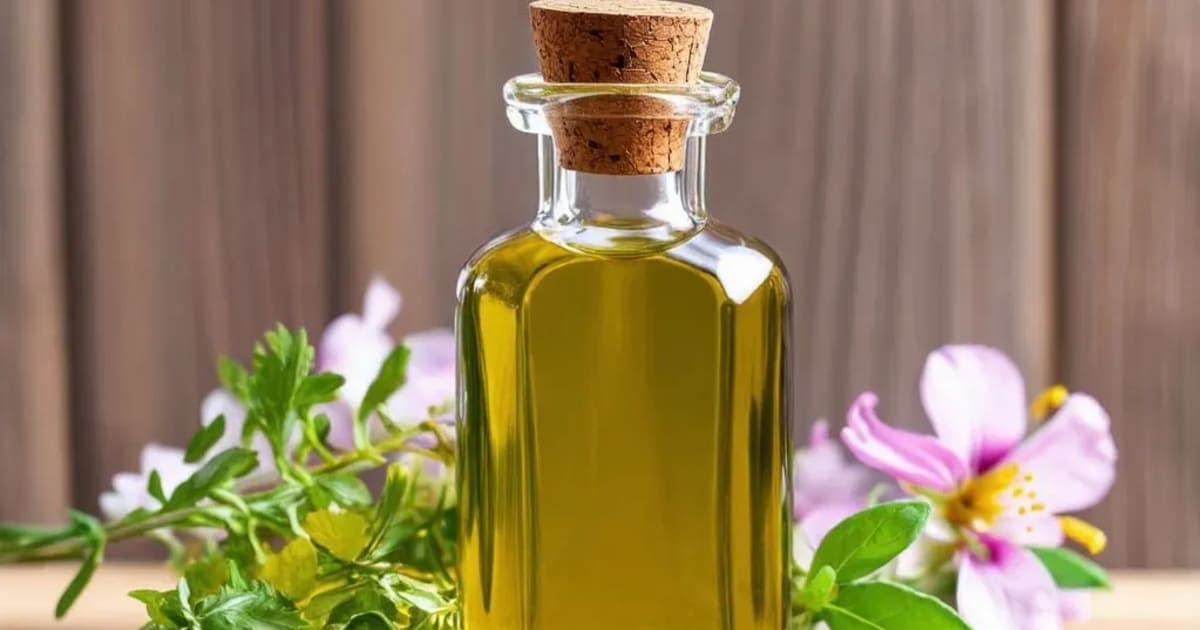
Vacha Taila: Benefits for Mental Clarity & Sinus Relief
Expert Reviewed
Reviewed by AyurvedicUpchar Editorial Team
What is Vacha Taila?
Vacha Taila is a traditional Ayurvedic medicated oil infused with Sweet Flag (Acorus calamus) roots, primarily used to sharpen mental clarity and clear congested sinuses through nasal administration (Nasya). Unlike generic carrier oils, this preparation carries the distinct, pungent aroma of the Vacha root, which many grandmothers in India have long relied on to wake up a foggy mind or ease a heavy head during monsoon season.
Classical texts like the Charaka Samhita describe Vacha as a Medhya herb, meaning it directly supports intellect and memory. When infused into oil, these properties penetrate deeper into the tissues. The oil feels warming to the touch and has a sharp, earthy scent that instantly signals its power to clear blockages in the head and neck region.
What are the Ayurvedic properties of Vacha Taila?
The Ayurvedic profile of Vacha Taila defines exactly how it interacts with your physiology, characterized by a heating potency and sharp, penetrating qualities that clear stagnant Kapha and calm erratic Vata. This specific combination of tastes and energies makes it exceptionally effective for breaking up mucus in the sinuses and soothing nerve-related tension without causing heaviness.
Understanding these properties helps you use the oil safely. Because it is heating and sharp, it moves quickly through the body's channels (Srotas). Here is how its fundamental qualities translate to therapeutic action:
| Property (Sanskrit) | Value | What it means for your body |
|---|---|---|
| Rasa (Taste) | Katu (Pungent), Tikta (Bitter) | Stimulates metabolism and clears channels; detoxifies blood and reduces excess Kapha. |
| Guna (Quality) | Laghu (Light), Tikshna (Sharp) | Ensures rapid absorption and deep tissue penetration; breaks up stagnation. |
| Virya (Potency) | Ushna (Heating) | Warms the body, improves circulation, and ignites digestive fire (Agni). |
| Vipaka (Post-digestive) | Katu (Pungent) | The lasting effect remains clearing and stimulating, preventing sluggishness. |
Which doshas does Vacha Taila balance?
Vacha Taila primarily pacifies Vata and Kapha doshas, making it an ideal choice for individuals suffering from cold stiffness, brain fog, or respiratory congestion. Its heating nature counteracts the cold, dry qualities of Vata and the cold, heavy qualities of Kapha, bringing warmth and movement back to the system.
However, this same heating power requires caution for those with a dominant Pitta constitution. If you already struggle with acidity, skin rashes, or a short temper, excessive use of Vacha Taila might aggravate these conditions. A little goes a long way; often, applying just a drop to the nostrils is sufficient for Pitta types, whereas Vata and Kapha types may benefit from a full head or chest massage.
How do I know if I need Vacha Taila?
You likely need Vacha Taila if you experience symptoms of elevated Vata or Kapha, such as anxiety, racing thoughts, chronic sinus congestion, or a feeling of mental cloudiness that won't lift. It is particularly useful during the transition between seasons when the body struggles to adapt to changing weather patterns.
Practically speaking, if your joints crack often, your skin feels dry and rough, or you feel cold even in a warm room, this oil can ground your energy. Conversely, if your nose is constantly runny with clear mucus or you feel a heavy dullness in your head upon waking, the sharp, clearing action of Vacha Taila can provide immediate relief.
Frequently Asked Questions
Can I use Vacha Taila for daily head massage?
Yes, but frequency depends on your constitution. Vata and Kapha types can often use it 2-3 times a week for maintenance, while Pitta types should limit use to once a week or during specific seasons like late winter. Always consult an Ayurvedic practitioner for a personalized schedule.
Is Vacha Taila safe for children?
Vacha Taila is sometimes used for children with speech delays or recurrent colds, but only under strict professional guidance. The dosage and method of application for children differ significantly from adults, and self-administration is not recommended without expert advice.
What is the best time to apply Vacha Taila?
The best time to apply Vacha Taila is early in the morning on an empty stomach, especially if using it for Nasya (nasal drops). For massage, applying it before a warm bath allows the heat to open pores and enhance absorption of the medicinal properties.
Frequently Asked Questions
What is Vacha Taila used for in Ayurveda?
Vacha Taila is primarily used as a Brain Tonic and Sanjnasthapana in Ayurvedic medicine. Oil of Sweet Flag is used for massage to improve mental clarity and in nasal administration (Nasya) for clearing the sinuses. It pacifies Vata, Kapha dosha.
How should I take Vacha Taila?
Vacha Taila can be taken as powder (1/2-1 tsp with warm water or milk), decoction (boil 1 tsp in water), or tablets (1-2 daily). Always start with a low dose and consult an Ayurvedic practitioner for personalized guidance.
Is Vacha Taila safe during pregnancy?
Pregnant and nursing women should not take Vacha Taila without consulting their doctor first. Most Ayurvedic herbs require medical supervision during pregnancy.
Which dosha does Vacha Taila balance?
Vacha Taila pacifies Vata, Kapha. Excessive use may increase Pitta dosha.
Can I take Vacha Taila daily?
Vacha Taila can be taken daily in recommended doses for 4-8 weeks. After that, take a 2-week break before resuming. Long-term use should be supervised by a qualified Ayurvedic practitioner.
What are the side effects of Vacha Taila?
When taken in recommended doses, Vacha Taila is generally safe. Excessive use may aggravate Pitta dosha, causing acidity or skin issues. Stop use if you experience any adverse reaction.
Related Articles
The Timeless Benefits of Triphala: An Ayurvedic Powerhouse
Discover the transformative benefits of Triphala, an ancient Ayurvedic blend of three fruits that supports digestion, immunity, weight management, and overall vitality.
5 min read
The Divine Benefits of Tulsi (Holy Basil) in Ayurveda
Discover the sacred benefits of Tulsi (Holy Basil) in Ayurveda. From boosting immunity and reducing stress to supporting heart health and digestion, learn how this divine herb can transform your well-being.
4 min read
The Remarkable Benefits of Giloy: An Ayurvedic Powerhouse
Discover the profound health benefits of Giloy, the Ayurvedic 'root of immortality.' Learn how this powerful herb boosts immunity, manages diabetes, improves digestion, and supports skin, hair, and bone health.
5 min read
The Remarkable Benefits of Ashwagandha: An Ayurvedic Perspective
Discover the ancient wisdom of Ashwagandha, a powerful Ayurvedic adaptogen known for reducing stress, boosting immunity, improving sleep, and enhancing physical strength.
4 min read
Brihatyadi Kashayam: Natural Relief for Urinary Tract Disorders and Cystitis
Brihatyadi Kashayam is a cooling Ayurvedic decoction that targets urinary burning and cystitis by balancing Vata and Pitta. Unlike standard teas, this concentrated liquid extract is specifically designed to reduce inflammation in the bladder lining while flushing out toxins.
5 min read
Asphota: Ayurvedic Brain Tonic, Calming Herb & Blood Purifier
Often overlooked, Asphota is a cooling, bitter herb that acts as a gentle brain tonic and blood purifier. While it shares traits with the popular Aparajita, its unique astringent quality makes it particularly effective for stopping bleeding and soothing inflamed tissues.
6 min read
References & Sources
This article is based on principles from classical Ayurvedic texts including Charaka Samhita, Sushruta Samhita, and Ashtanga Hridaya. Content has been reviewed for accuracy by our editorial team. For specific medical conditions, always consult a qualified Ayurvedic practitioner or healthcare provider.
- • Charaka Samhita (चरक संहिता)
- • Sushruta Samhita (सुश्रुत संहिता)
- • Ashtanga Hridaya (अष्टांग हृदय)
Found an error in this article? Let us know