
Vacha: Benefits for Speech, Memory & Nervous System Health
Expert Reviewed
Reviewed by AyurvedicUpchar Editorial Team
What is Vacha?
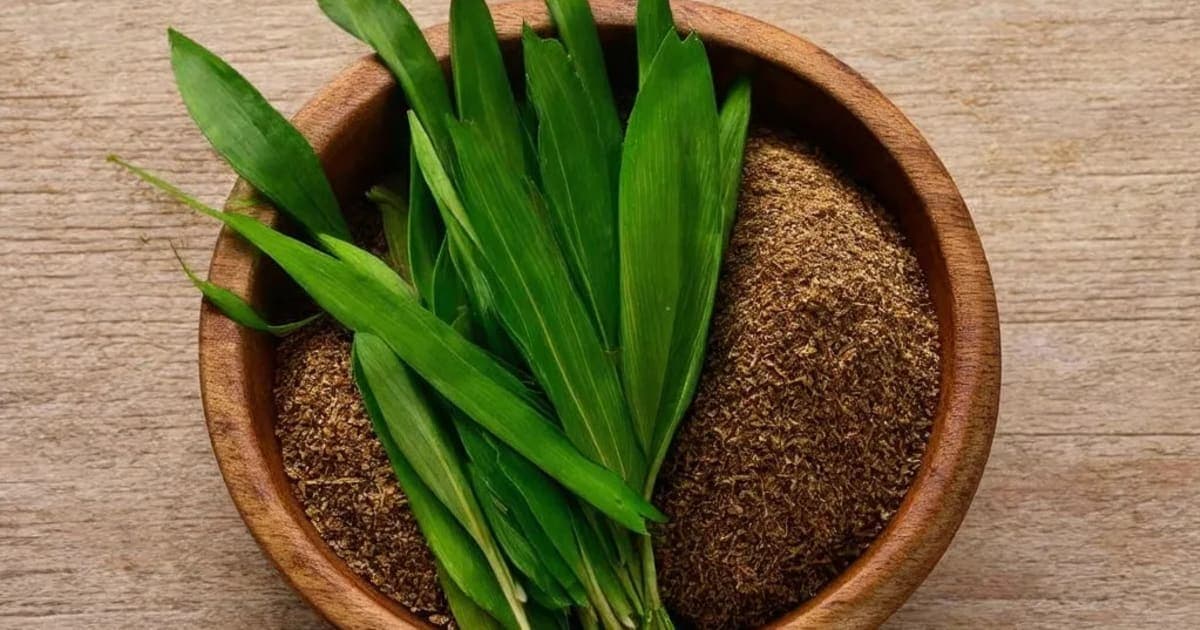
Vacha (Acorus calamus) is a pungent, aromatic rhizome used in Ayurveda primarily to sharpen intelligence, restore speech, and clear toxins from the nervous system. Often called "Sweet Flag," this herb possesses a distinct, sharp aroma that signals its power to penetrate deep into the mind's channels.
Classical texts like the Charaka Samhita classify Vacha as a Medhya Rasayana, a rejuvenator specifically for the intellect. Unlike gentle tonics, Vacha works with a heating potency that cuts through mental fog and stagnant Kapha. You might recognize it by its knobby, brown root structure, which releases an intense, camphor-like scent when crushed. This isn't just a flavor profile; in Ayurvedic pharmacology, that sharp smell indicates the herb's ability to reach the subtlest tissues of the brain.
What are the Ayurvedic properties of Vacha?
The Ayurvedic properties of Vacha define it as a heating, sharp, and light herb with pungent and bitter tastes that stimulate metabolism and clear blockages in the mind and body. These specific qualities explain why it acts so quickly on neurological function and digestion.
Every herb interacts with your physiology through five fundamental lenses. For Vacha, these properties create a potent combination that scrapes away excess mucus (Kapha) while grounding erratic energy (Vata). However, because it is so sharp and hot, it requires careful handling.
| Property (Sanskrit) | Value | What it means for your body |
|---|---|---|
| Rasa (Taste) | Katu (Pungent), Tikta (Bitter) | Stimulates digestive fire, clears blocked channels, and detoxifies blood. The bitterness helps reduce excess Kapha and calm mild Pitta aggravation. |
| Guna (Quality) | Laghu (Light), Tikshna (Sharp) | Penetrates deep into tissues quickly. This "sharpness" allows it to cross the blood-brain barrier, making it effective for cognitive issues. |
| Virya (Potency) | Ushna (Heating) | Increases internal heat, improves circulation, and kindles Agni (digestive fire). This warmth helps melt stubborn congestion. |
| Vipaka (Post-digestive) | Katu (Pungent) | Leaves a lingering heating and drying effect, which continues to clear channels long after digestion is complete. |
Which doshas does Vacha balance?
Vacha primarily pacifies Vata and Kapha doshas by using its heating and penetrating qualities to ground erratic energy and dissolve heavy congestion. While it is excellent for these two, its intense heat means it can aggravate Pitta if used without caution.
If you suffer from the heaviness of Kapha—like brain fog, excessive sleep, or a coated tongue—Vacha acts like a broom, sweeping those channels clean. Similarly, for Vata types struggling with anxiety or scattered thoughts, the herb's grounding nature helps anchor the mind. However, if you already run hot, have acid reflux, or experience skin rashes, this herb might push your Pitta too far. In such cases, traditional practitioners often mix Vacha with cooling carriers like ghee or milk to buffer its intensity.
How do I know if Vacha is right for me?
You likely need Vacha if you experience symptoms of elevated Vata or Kapha, such as stuttering, memory lapses, joint stiffness, or a feeling of mental cloudiness that doesn't lift with rest. These signs suggest your nervous system is either too dry and erratic or too clogged with toxins.
Practically, people use Vacha in very specific ways. A common home remedy involves mixing a pinch of the fine root powder with warm milk and a little honey to support speech in children or memory in the elderly. Some chew a tiny piece of the dried root to clear sinus congestion instantly. Yet, you will rarely see it taken alone in large doses; its potency demands respect. Grandmothers in India often apply a paste of Vacha and turmeric to swollen joints, leveraging its ability to penetrate deep into the tissue to reduce pain and swelling.
Frequently Asked Questions
Is Vacha safe for daily use?
Vacha is generally not recommended for daily, long-term use without professional supervision due to its potent, heating nature and potential toxicity in high doses. Most Ayurvedic protocols suggest using it in short cycles or as part of a balanced formulation.
Can Vacha improve memory and concentration?
Yes, Vacha is classified as a Medhya Rasayana, meaning it specifically rejuvenates the mind and enhances memory, learning, and speech clarity. It works by clearing the subtle channels (srotas) that carry nerve impulses to the brain.
Who should avoid taking Vacha?
Pregnant women, nursing mothers, and individuals with high Pitta conditions like active ulcers or severe inflammation should avoid Vacha. Its sharp, heating quality can aggravate these conditions and cause discomfort.
Disclaimer: This content is for educational purposes only and is not medical advice. Vacha contains compounds that can be toxic in high doses. Always consult a qualified Ayurvedic practitioner before starting any new herbal regimen.
Frequently Asked Questions
What is Vacha used for in Ayurveda?
Vacha is primarily used as a Brain Tonic and Sanjnasthapana in Ayurvedic medicine. Sweet flag is a powerful herb for the mind, improving speech, intelligence, and clearing toxins from the nervous system. It pacifies Vata, Kapha dosha.
How should I take Vacha?
Vacha can be taken as powder (1/2-1 tsp with warm water or milk), decoction (boil 1 tsp in water), or tablets (1-2 daily). Always start with a low dose and consult an Ayurvedic practitioner for personalized guidance.
Is Vacha safe during pregnancy?
Pregnant and nursing women should not take Vacha without consulting their doctor first. Most Ayurvedic herbs require medical supervision during pregnancy.
Which dosha does Vacha balance?
Vacha pacifies Vata, Kapha. Excessive use may increase Pitta dosha.
Can I take Vacha daily?
Vacha can be taken daily in recommended doses for 4-8 weeks. After that, take a 2-week break before resuming. Long-term use should be supervised by a qualified Ayurvedic practitioner.
What are the side effects of Vacha?
When taken in recommended doses, Vacha is generally safe. Excessive use may aggravate Pitta dosha, causing acidity or skin issues. Stop use if you experience any adverse reaction.
Related Articles
The Timeless Benefits of Triphala: An Ayurvedic Powerhouse
Discover the transformative benefits of Triphala, an ancient Ayurvedic blend of three fruits that supports digestion, immunity, weight management, and overall vitality.
5 min read
The Divine Benefits of Tulsi (Holy Basil) in Ayurveda
Discover the sacred benefits of Tulsi (Holy Basil) in Ayurveda. From boosting immunity and reducing stress to supporting heart health and digestion, learn how this divine herb can transform your well-being.
4 min read
The Remarkable Benefits of Giloy: An Ayurvedic Powerhouse
Discover the profound health benefits of Giloy, the Ayurvedic 'root of immortality.' Learn how this powerful herb boosts immunity, manages diabetes, improves digestion, and supports skin, hair, and bone health.
5 min read
The Remarkable Benefits of Ashwagandha: An Ayurvedic Perspective
Discover the ancient wisdom of Ashwagandha, a powerful Ayurvedic adaptogen known for reducing stress, boosting immunity, improving sleep, and enhancing physical strength.
4 min read
Brihatyadi Kashayam: Natural Relief for Urinary Tract Disorders and Cystitis
Brihatyadi Kashayam is a cooling Ayurvedic decoction that targets urinary burning and cystitis by balancing Vata and Pitta. Unlike standard teas, this concentrated liquid extract is specifically designed to reduce inflammation in the bladder lining while flushing out toxins.
5 min read
Asphota: Ayurvedic Brain Tonic, Calming Herb & Blood Purifier
Often overlooked, Asphota is a cooling, bitter herb that acts as a gentle brain tonic and blood purifier. While it shares traits with the popular Aparajita, its unique astringent quality makes it particularly effective for stopping bleeding and soothing inflamed tissues.
6 min read
References & Sources
This article is based on principles from classical Ayurvedic texts including Charaka Samhita, Sushruta Samhita, and Ashtanga Hridaya. Content has been reviewed for accuracy by our editorial team. For specific medical conditions, always consult a qualified Ayurvedic practitioner or healthcare provider.
- • Charaka Samhita (चरक संहिता)
- • Sushruta Samhita (सुश्रुत संहिता)
- • Ashtanga Hridaya (अष्टांग हृदय)
Found an error in this article? Let us know