
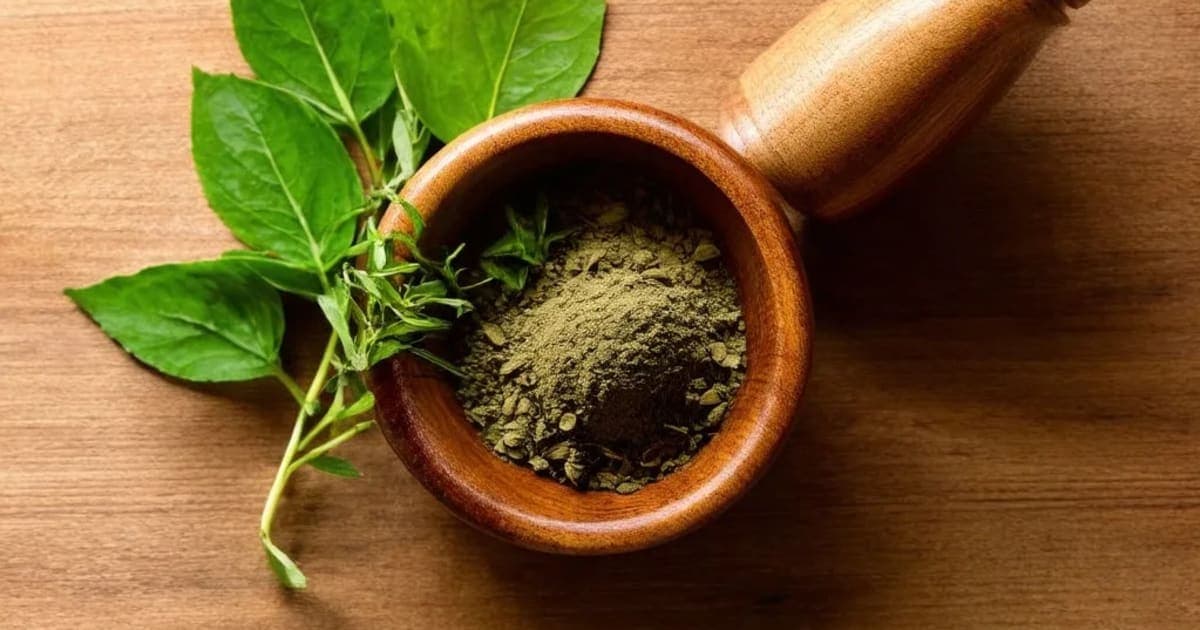
Ushirasva: Cooling Ayurvedic Remedy for Burning Sensations & Blood Disorders
Expert Reviewed
Reviewed by AyurvedicUpchar Editorial Team
What is Ushirasva and how does it work?
Ushirasva is a traditional Ayurvedic fermented tonic made primarily from the roots of Vetiver (Vetiveria zizanoides), known as Ushira. It acts as a potent cooling agent that specifically targets burning sensations, bleeding disorders, and skin inflammation. Unlike a simple tea or powder, this preparation involves a fermentation process that transforms the bitter, sweet roots into a light, effervescent liquid that the body absorbs quickly.
In the classical texts, specifically the Bhavaprakash Nighantu, Ushirasva is described as a Sheeta Virya (cold potency) substance that directly cools the blood. A key fact for modern readers to remember is that while many herbs cool the body, Ushirasva is unique because its fermentation makes it exceptionally effective for acute heat conditions where the patient feels internal burning but may have a cold extremity. This dual action of clearing heat while nourishing tissues makes it a staple for Pitta imbalances.
The preparation typically involves mixing the fresh root paste with jaggery and water, allowing it to ferment naturally. When you smell it, you get an earthy, slightly sweet aroma reminiscent of wet soil after rain, which is the signature scent of Vetiver. The taste is initially bitter, which clears toxins, followed by a sweet aftertaste that soothes the stomach lining.
How do the Ayurvedic properties of Ushirasva affect your body?
The therapeutic action of Ushirasva is defined by five core properties: its taste (Rasa), quality (Guna), potency (Virya), post-digestive effect (Vipaka), and unique action (Prabhava). These factors determine exactly how it interacts with your tissues and doshas, making it a precise tool for treating heat-related ailments rather than a general supplement.
| Property (Sanskrit) | Value | What it means for your body |
|---|---|---|
| Rasa (Taste) | Tikta, Madhura | Bitter taste detoxifies blood and reduces Pitta; Sweet taste nourishes tissues and calms the mind. |
| Guna (Quality) | Laghu | Light quality ensures rapid absorption and deep penetration into blood tissues. |
| Virya (Potency) | Sheeta | Cold potency instantly cools inflammation, stops bleeding, and soothes irritated skin. |
| Vipaka (Post-digestive) | Madhura | The final metabolic effect is sweet, helping to rebuild tissues after the initial detoxification. |
Understanding that Ushirasva has a Madhura post-digestive effect is crucial. Even though it tastes bitter at first, once digested, it leaves a nourishing residue that helps repair the lining of the stomach and blood vessels. This is why it is often prescribed for chronic gastritis where the stomach feels like it is burning.
Which dosha does Ushirasva balance and who should avoid it?
Ushirasva primarily pacifies Pitta dosha, making it the herb of choice for anyone suffering from excess heat, acidity, or blood impurities. It is the go-to remedy for conditions like nosebleeds, bleeding gums, burning urination, and inflammatory skin rashes such as eczema or psoriasis that flare up in hot weather.
However, because of its cold potency and heavy fermentation, it can aggravate Vata and Kapha if used incorrectly. People with cold digestion, slow metabolism, or a tendency toward congestion should use it with caution. For instance, a grandmother would warn that giving this to a child with a cold or a person with a sluggish bowel can cause bloating or increased gas. It is not a daily tonic for everyone; it is a targeted treatment for heat.
How do you actually take Ushirasva in daily life?
In traditional households, Ushirasva is rarely taken straight from the bottle due to its potent flavor. Instead, it is often mixed with equal parts water or a teaspoon of ghee to soften its impact on the stomach. A common practical tip is to drink it immediately after a heavy, spicy meal to prevent the onset of heartburn or acid reflux. For skin issues, the fermented liquid is sometimes used as a wash for the face to reduce redness and heat.
It is important to note that Ushirasva should be taken in moderation. A standard dose is usually 15 to 30 ml, diluted with water, taken once or twice a day. If you notice your digestion slowing down or you feel unusually lethargic, it is a sign to stop the usage immediately.
Frequently Asked Questions about Ushirasva
What is Ushirasva used for in modern Ayurveda?
Ushirasva is primarily used to treat bleeding disorders (Raktapitta), burning sensations in the body, and skin diseases caused by excess Pitta. It effectively cools the blood and reduces inflammation in conditions like gastritis, acne, and hemorrhoids.
Can Ushirasva aggravate Vata or Kapha dosha?
Yes, due to its cold potency (Sheeta Virya) and fermented nature, excessive use of Ushirasva can aggravate Vata and Kapha. People with cold digestion, constipation, or respiratory congestion should avoid it or use it only under the guidance of an Ayurvedic practitioner.
Is Ushirasva the same as just drinking Vetiver root tea?
No, Ushirasva is a fermented tonic, which changes its chemical profile compared to a simple tea. The fermentation process enhances its ability to penetrate tissues and makes it more effective for acute heat and bleeding disorders than a standard decoction.
When is the best time to take Ushirasva?
The best time to take Ushirasva is after meals, specifically when you experience symptoms of heat like acidity or burning. Taking it on an empty stomach is generally not recommended unless directed by a practitioner, as the cold potency might shock a sensitive digestive system.
Frequently Asked Questions
What is Ushirasva used for in Ayurveda?
Ushirasva is primarily used as a Raktapittahara and Dahashamana in Ayurvedic medicine. A cooling fermented tonic with Ushira (Vetiver), used for bleeding disorders, burning sensations, and skin diseases. It pacifies Pitta dosha.
How should I take Ushirasva?
Ushirasva can be taken as powder (1/2-1 tsp with warm water or milk), decoction (boil 1 tsp in water), or tablets (1-2 daily). Always start with a low dose and consult an Ayurvedic practitioner for personalized guidance.
Is Ushirasva safe during pregnancy?
Pregnant and nursing women should not take Ushirasva without consulting their doctor first. Most Ayurvedic herbs require medical supervision during pregnancy.
Which dosha does Ushirasva balance?
Ushirasva pacifies Pitta. Excessive use may increase Vata, Kapha dosha.
Can I take Ushirasva daily?
Ushirasva can be taken daily in recommended doses for 4-8 weeks. After that, take a 2-week break before resuming. Long-term use should be supervised by a qualified Ayurvedic practitioner.
What are the side effects of Ushirasva?
When taken in recommended doses, Ushirasva is generally safe. Excessive use may aggravate Vata, Kapha dosha, causing gas or bloating. Stop use if you experience any adverse reaction.
Related Articles
The Timeless Benefits of Triphala: An Ayurvedic Powerhouse
Discover the transformative benefits of Triphala, an ancient Ayurvedic blend of three fruits that supports digestion, immunity, weight management, and overall vitality.
5 min read
The Divine Benefits of Tulsi (Holy Basil) in Ayurveda
Discover the sacred benefits of Tulsi (Holy Basil) in Ayurveda. From boosting immunity and reducing stress to supporting heart health and digestion, learn how this divine herb can transform your well-being.
4 min read
The Remarkable Benefits of Giloy: An Ayurvedic Powerhouse
Discover the profound health benefits of Giloy, the Ayurvedic 'root of immortality.' Learn how this powerful herb boosts immunity, manages diabetes, improves digestion, and supports skin, hair, and bone health.
5 min read
The Remarkable Benefits of Ashwagandha: An Ayurvedic Perspective
Discover the ancient wisdom of Ashwagandha, a powerful Ayurvedic adaptogen known for reducing stress, boosting immunity, improving sleep, and enhancing physical strength.
4 min read
Brihatyadi Kashayam: Natural Relief for Urinary Tract Disorders and Cystitis
Brihatyadi Kashayam is a cooling Ayurvedic decoction that targets urinary burning and cystitis by balancing Vata and Pitta. Unlike standard teas, this concentrated liquid extract is specifically designed to reduce inflammation in the bladder lining while flushing out toxins.
5 min read
Asphota: Ayurvedic Brain Tonic, Calming Herb & Blood Purifier
Often overlooked, Asphota is a cooling, bitter herb that acts as a gentle brain tonic and blood purifier. While it shares traits with the popular Aparajita, its unique astringent quality makes it particularly effective for stopping bleeding and soothing inflamed tissues.
6 min read
References & Sources
This article is based on principles from classical Ayurvedic texts including Charaka Samhita, Sushruta Samhita, and Ashtanga Hridaya. Content has been reviewed for accuracy by our editorial team. For specific medical conditions, always consult a qualified Ayurvedic practitioner or healthcare provider.
- • Charaka Samhita (चरक संहिता)
- • Sushruta Samhita (सुश्रुत संहिता)
- • Ashtanga Hridaya (अष्टांग हृदय)
Found an error in this article? Let us know